
Last updated October 15, 2026
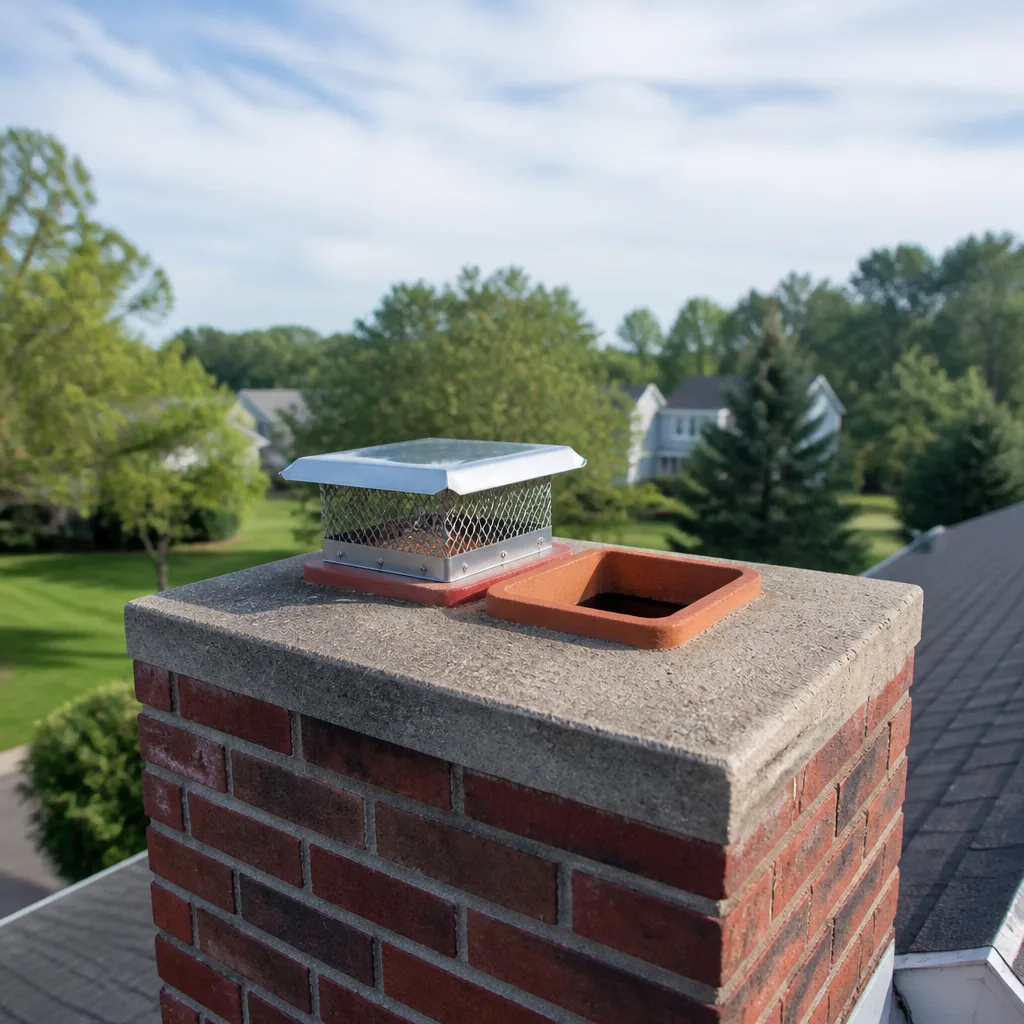 Sweep & inspection
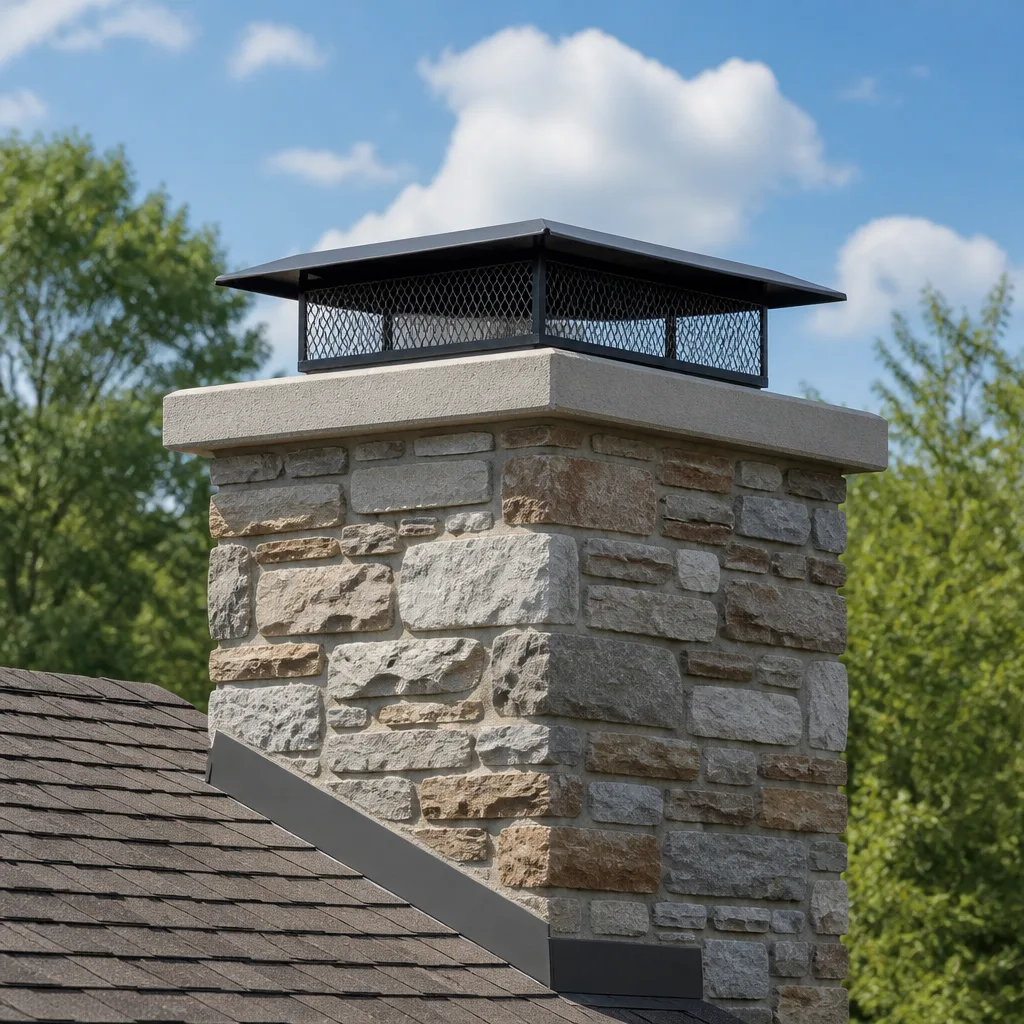 Caps & crowns
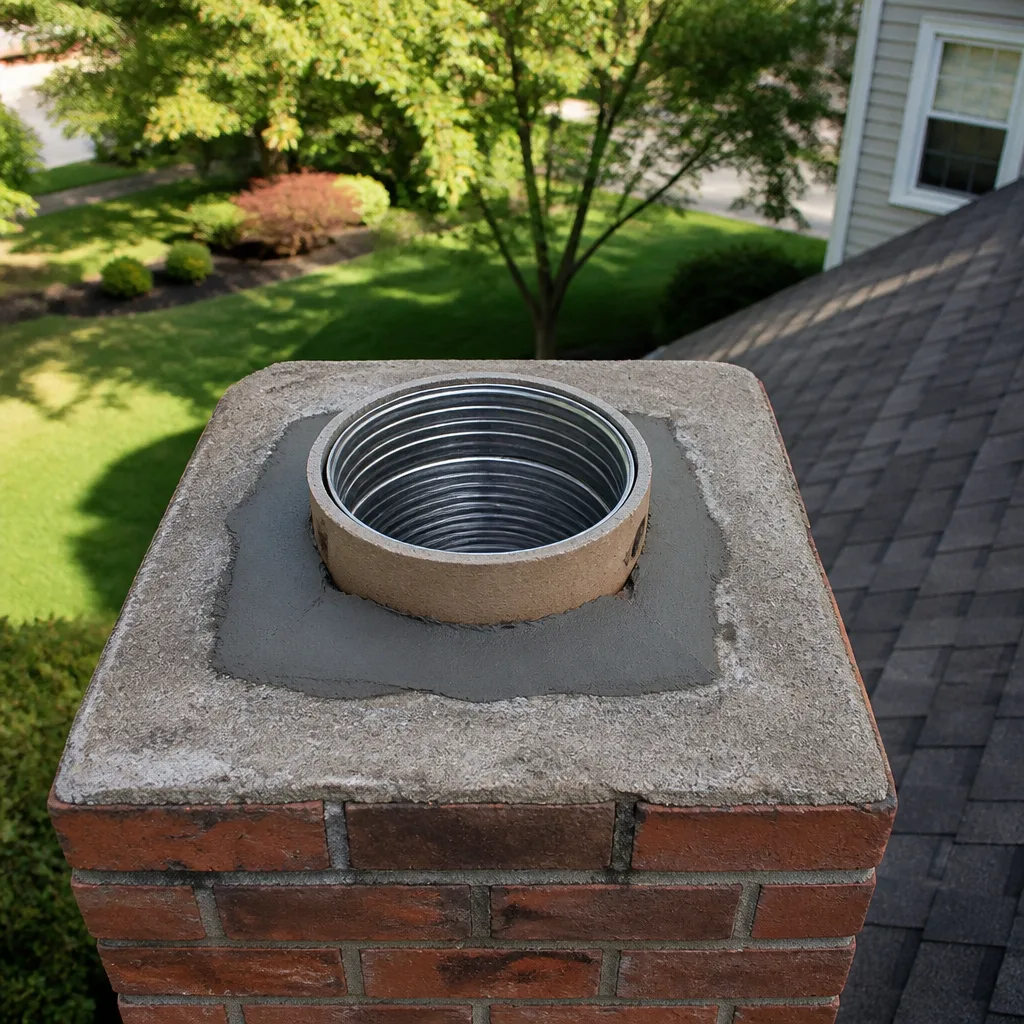 Flue relining
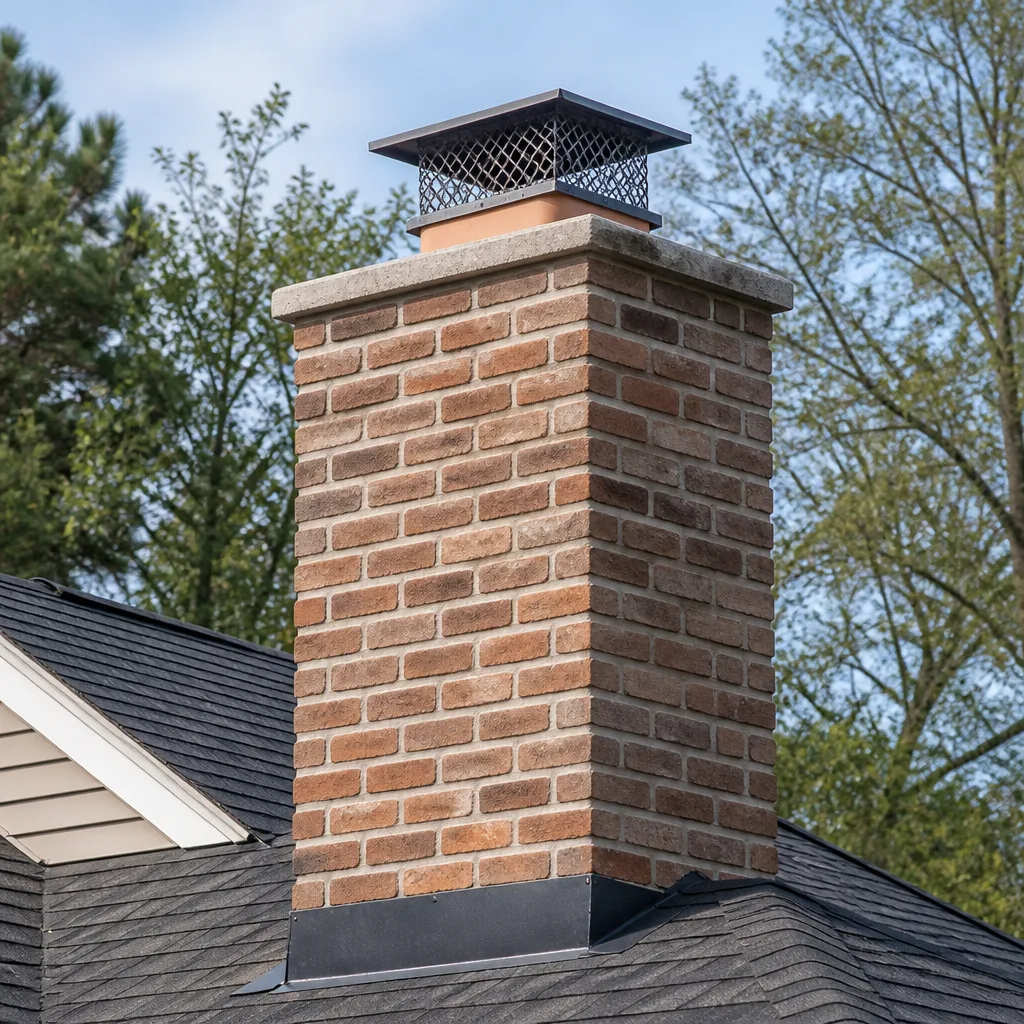 Masonry repair
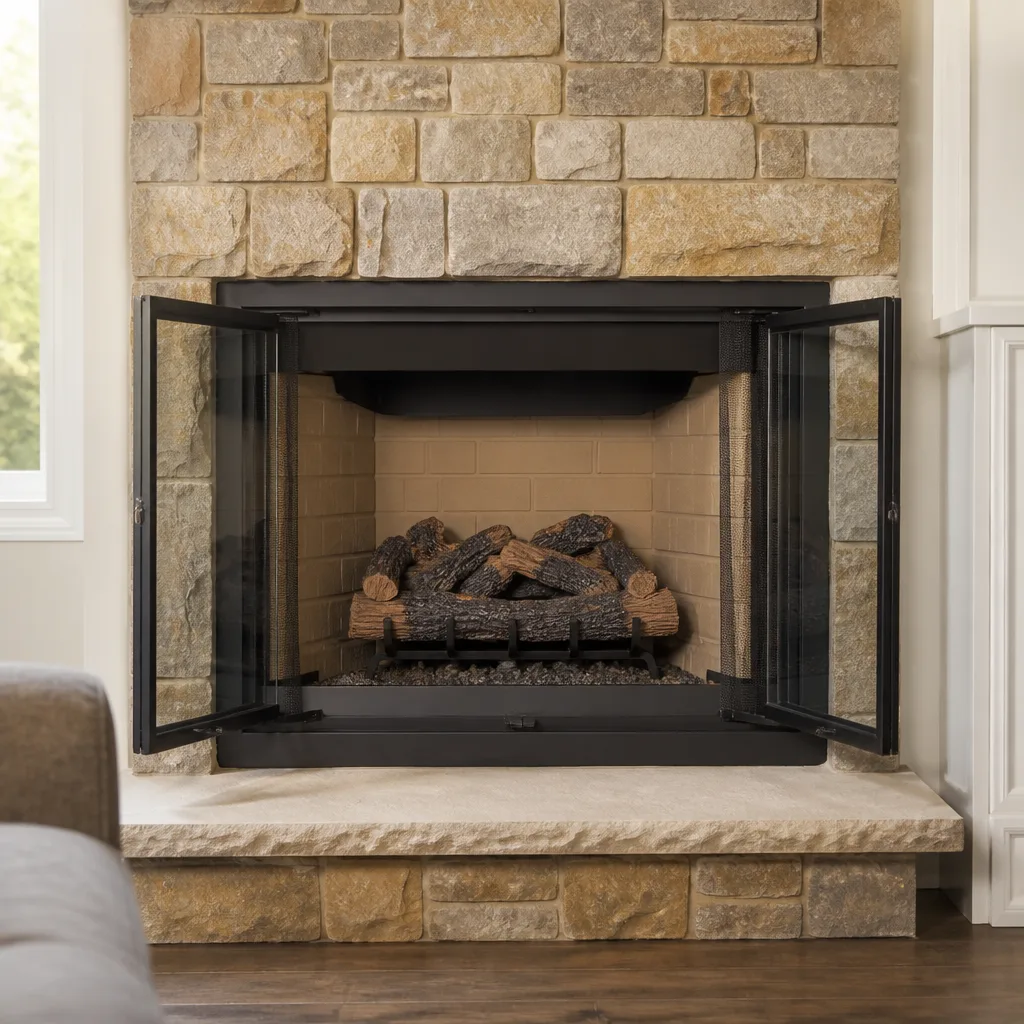 Gas fireplace service
Level 1 sweep and inspection to the NFPA 211 annual standard - flue, crown, cap, and flashing checked and photographed
Chimney sweep logs do not sweep chimneys. They loosen some creosote - which then falls where a brush and vacuum still have to collect it.
Seasonal Chimney Cleaning Care for Houston: Year-Round Homeowner’s Guide
Every chimney guide you’ve read tells you to schedule your sweep in September. In Houston, September is too late. By then, the summer’s moisture and nesting season have already done their work, and the damage is already in your flue. This guide reframes the Houston chimney calendar around the actual climate we live in, not the national convention built for New England winters. You’ll learn when to actually schedule service, what Houston’s humidity does to your chimney year-round, how hurricane season changes your risk profile, and how to document your chimney’s condition over time so you catch slow deterioration before it becomes structural. This is the guide we wish every Houston homeowner had before calling a chimney company, including ours.
Styles & brands we work with
Quick Answer
The best time to clean and inspect a chimney in Houston is April or May, after the burning season ends and before humidity and summer storms set in. A standard chimney sweep in Houston typically runs $150 – $300, and most inspections add $100 – $250 depending on the level of detail. Schedule your primary service in spring, then do a 20-minute visual check in October before the first fire of the season.
Table of Contents
- Why Houston’s Chimney Calendar Is Different
- The Spring Service Window: April to May
- What Houston Humidity Does to Your Chimney
- Hurricane Season and Your Chimney: June to November
- The October Pre-Season Visual Check
- Documenting Seasonal Changes Year Over Year
- What Chimney Service Costs in Houston
- Common Mistakes to Avoid
- When to Call a Professional
- Frequently Asked Questions
- The Bottom Line
Why Houston’s Chimney Calendar Is Different
Chimney care in most of the country follows a simple rhythm: burn all winter, sweep in late summer, inspect in early fall. That rhythm was built for places where the chimney works hard for five months and rests for seven. Houston doesn’t work that way.
We burn here, but sparingly. A Houston fireplace might see twenty fires a year, maybe thirty in a cold winter. That’s a fraction of what a Minneapolis chimney handles, but the low usage creates a false sense of security. The damage in Houston doesn’t come primarily from burning. It comes from moisture, humidity, nesting animals, and storms.
Here’s what that means: the standard national advice to sweep in September is actively wrong for Houston. By September, the summer’s humidity has already been working on your mortar joints for four months. Birds and squirrels have raised their spring litters in uncapped flues. Storms have tested your flashing. If there’s damage, it’s been accumulating since April. Waiting until October to discover it means you’re running your first fire through a chimney that may already be compromised.
Treating chimney care as a fall ritual in Houston is the single biggest scheduling mistake we see. The climate here doesn’t follow the national convention, and neither should your maintenance calendar.
The other factor is contractor availability. In most northern cities, chimney companies book out six to eight weeks in September and October. In Houston, the same pattern holds, but for a different reason: fewer companies, more demand spikes before the cool season. If you wait until October to call for a sweep or inspection, you’re competing with every other Houston homeowner who just remembered their fireplace exists. Booking in spring means you get your choice of dates, faster service, and often better pricing before the fall rush.
The Spring Service Window: April to May
Here’s the case for spring, stated plainly: April and May are the optimal months for chimney service in Houston because the burning season has ended, the weather is still mild enough for comfortable roof work, and you have months to address any findings before the next fire.
Think about what the spring window gives you. If we find a cracked flue tile in April, you have all summer to evaluate repair options, get a written quote, and schedule the work on your terms. If we find the same crack in October, you’re deciding whether to burn anyway or scramble for a repair slot before the first cold front.
A spring sweep and inspection also follows the natural cycle of chimney use. The soot and creosote from the winter’s fires are fresh and easier to remove. The inspection happens when the chimney is at its cleanest, which means we can see the actual condition of the liner and mortar without layers of soot obscuring the view. This matters more than most homeowners realize. An inspection performed on a dirty chimney is an incomplete inspection.
We also see a specific Houston pattern: the first cool days of November bring a rush of calls from homeowners who lit a fire and smelled something wrong. By then, the chimney has been sitting with accumulated soot, potentially damp creosote, and whatever the summer brought into the flue. That first fire of the season becomes a test of whether the chimney survived the summer. Spring service turns that test into a known quantity before you ever strike a match.
And there’s a practical benefit: in April and May, Houston’s heat hasn’t yet hit its peak. Roof work in July or August is brutal. The materials behave differently in extreme heat, and technicians are working in conditions that make careful work harder. Spring service happens in conditions that favor precise, deliberate work.
What Houston Humidity Does to Your Chimney
Houston’s average relative humidity runs between 70% and 90% for much of the year. Your chimney lives in that humidity every day, even when it’s not raining. Here’s what that does, specifically.
Clay tile liners, the standard in older Houston homes, are porous. They absorb moisture from the air. When that moisture sits in the tile and the temperature cycles, the tile expands and contracts at a different rate than the surrounding masonry. Over years, this creates micro-fractures that widen into cracks. A cracked flue tile in Houston isn’t usually the result of a chimney fire; it’s the result of ten thousand humidity cycles doing the same slow work that freeze-thaw does in northern climates, just without the drama of ice.
Mortar joints are even more vulnerable. The mortar between bricks or stones is softer than the masonry around it. Houston’s humidity keeps that mortar damp, and damp mortar is weak mortar. Add in Houston’s occasional freezes, and you get spalling: the surface of the brick or mortar flaking away as trapped moisture expands. It’s the same process that damages Houston sidewalks and driveways, and it’s working on your chimney too.
Steel dampers, common in the throat of the fireplace, rust in high humidity. A rusted damper still opens and closes, but the seal degrades. That means your air-conditioned air escapes up the chimney all summer, and your heating escapes up the chimney all winter. Homeowners sometimes mistake this for a draft problem or a chimney repair issue when it’s actually a straightforward damper replacement.
Here’s a specific Houston pattern we’ve documented over years of service. In neighborhoods with mature tree cover, like the Heights or Meyerland, humidity near the chimney is often higher because the canopy blocks the sun that would otherwise dry the masonry. Homes in those areas show faster mortar deterioration than similar homes in exposed, sun-baked neighborhoods like Katy or Cypress. It’s not a dramatic difference, but over a decade it adds up to earlier repointing work.
The takeaway isn’t that your chimney is doomed. It’s that Houston humidity is a constant, low-grade stress on your chimney, and the only way to manage it is to inspect regularly enough to catch the damage while it’s still cosmetic. Once a crack in the liner or a failing mortar joint reaches the point where water is getting behind the masonry, the repair cost multiplies.
Hurricane Season and Your Chimney: June to November
Hurricane season in Houston runs from June 1 through November 30, and it shapes chimney vulnerabilities in ways that don’t apply to most of the country. Here’s what to know.
Chimney caps are the first casualty. A standard chimney cap, even a well-installed one, can be dislodged by the wind loads of a tropical storm or hurricane. Once the cap is gone, the flue is an open pipe to the sky. Rain gets in, animals get in, and debris follows. After any significant wind event in Houston, the chimney cap is one of the first things to check.
Flashing fails next. Flashing is the metal barrier where the chimney meets the roofline, and it’s the most common point of water entry in any chimney. Houston’s storms drive water sideways, not just downward. The combination of wind-driven rain and aging flashing material is a frequent source of leaks that show up as water stains on interior ceilings, often several feet from the chimney itself, which makes the source harder to trace.
Debris is a related problem. Storms strip leaves, twigs, and branches, and if your cap is damaged or missing, that debris ends up in the flue. A flue full of dried leaves is a fire hazard waiting for a match. It also blocks ventilation, which means if there’s moisture in the flue, it can’t dry out, which accelerates the damage we described in the humidity section.
There’s a specific sequence to hurricane-season chimney care that we recommend. Checking the chimney after a major storm should be part of your routine, alongside checking for roof damage. Look at the cap, look for debris visible from the ground, and check your ceilings for water stains near the chimney line. If any of those are present, don’t wait for your annual service. A damaged cap or flashing gets worse with every rain event, and Houston’s fall rains are reliable even in years without a named storm.
One more point: standing water on the chimney crown is a year-round issue here, but it’s worse during hurricane season because the crown may already be compromised. The crown is the concrete slab at the top of the chimney, and it’s designed to shed water. When it cracks, water pools, seeps into the masonry, and accelerates the freeze-thaw and humidity damage we described. A cracked crown is the kind of issue that’s invisible from the ground and obvious to a technician looking down from above.
The October Pre-Season Visual Check
Spring is the time for the full service. October is the time for a lighter, faster check before the first fire. Here’s a 20-minute procedure that takes no special tools and catches the most common issues.
- Look at the cap from the ground. Can you see the cap? Is it sitting flat? If it’s missing, tilted, or covered in debris, that’s a red flag. Birds nesting on or under a damaged cap is a common October sight in Houston.
- Check the roofline for water stains. Step back and look at the ceiling inside your house, especially in rooms adjacent to the chimney. Any discoloration, especially if it’s changed since spring, signals water entry.
- Peer up the flue with a flashlight. Open the damper and shine a light up. What you’re looking for: debris, nests, or a visible layer of soot. If you can’t see the top of the flue clearly, that’s a sign it needs cleaning.
- Smell the fireplace. A strong, sharp odor in the fireplace when it’s not in use often means creosote buildup or moisture trapped in the flue. It’s a distinct smell, and if you notice it, the chimney needs attention before you burn.
- Check the firebox and damper. Look for cracked firebrick, rust on the damper, or any signs of water. If the damper doesn’t open and close smoothly, that’s a mechanical issue worth addressing before the season starts.
- Note any changes from last year. If you photographed the chimney last year, compare. A new crack, a shifted cap, or a different pattern of staining is significant.
If all six checks come back clean, you’re in good shape for the season. If any one of them raises a question, the answer is to schedule an inspection rather than to light a fire and hope. The cost of a chimney inspection in Houston is always less than the cost of discovering a problem with a live fire.
Documenting Seasonal Changes Year Over Year
The single most useful habit a Houston homeowner can build is simple: photograph and record your chimney’s condition on a regular schedule, and keep those records year over year. Here’s why it matters.
Chimney deterioration is slow. A hairline crack becomes a structural crack over years, not months. If you only look at your chimney when something’s already wrong, you’re always seeing the endpoint of a process, not the process itself. Documentation lets you see the process.
What to document: the cap, the crown, the flashing, the mortar joints on all visible sides, the interior flue if you can photograph it, and any interior water stains near the chimney line. Take the same set of photos every season, or at minimum every spring and fall.
The real value shows up when something changes. If your spring photos show clean mortar joints and your fall photos show a fresh crack, that crack happened during the summer. That tells you something specific about how your chimney is weathering, and it tells a technician where to look first. If the crack was already present in last spring’s photos and hasn’t changed, that’s a different situation with different urgency.
We’ve had customers come to us with three years of dated photos, and it changes the conversation. Instead of starting from zero, we can see the timeline. That’s information we can’t get any other way, and it often saves the homeowner money because we can target the inspection rather than investigating everything from scratch.
The documentation habit also helps you evaluate whether a problem is actually a problem. A small crack that hasn’t changed in two years is a monitoring situation. A small crack that’s widened by half an inch in six months is an active repair situation. Without documentation, you’re guessing. With it, you’re making decisions based on evidence.
This is the same discipline our technicians apply on every inspection at Flint Chimney Co Houston home. We record the condition, we note what’s changed, and we put it in writing. The written record is what turns a vague hunch into a repair decision. Homeowners can apply the same logic to their own seasonal checks.
What Chimney Service Costs in Houston
Here are the price ranges we see in the Houston market, stated plainly. These are not quotes, but they give you a realistic baseline before you pick up the phone.
- Standard chimney sweep: $150 – $300. This includes the flue cleaning, firebox cleanup, and a basic exterior check. The range depends on the height of the chimney, the amount of creosote, and whether the roof access is straightforward.
- Level 1 inspection: $100 – $200. This is the visual inspection that accompanies a standard sweep. It’s what you should expect as part of any service call.
- Level 2 inspection: $200 – $400. This includes video scanning of the flue interior, typically recommended when a property changes hands, after a chimney fire, or after significant storm damage.
- Chimney cap replacement: $150 – $400 including materials. The range depends on the cap size and material.
- Flue relining (replacing the inner liner that channels smoke safely out of the house): $2,500 – $7,000 depending on system type. Products like DuraFlex are specified by the job requirement, not by margin.
- Crown repair or resealing: $300 – $900 depending on the extent of the cracking.
- Mortar repointing (filling and restoring the mortar joints between bricks): $15 – $35 per square foot depending on access and mortar condition.
Every one of these services at Flint Chimney Co Houston comes with a written price before any work begins. The number on the quote is the number on the invoice, no exceptions. Repairs carry a written guarantee valid for one full year from the service date, and if a covered repair fails within that period, we return at no charge. That’s the Garrison Standard, the operating code every Garrison Partners location follows.
Common Mistakes to Avoid
- Following the national September sweep advice. By September, the Houston summer has already done its work. Spring is the correct window for full service. Waiting for fall means discovering damage right when you want to use the fireplace.
- Assuming low usage means low risk. Houston fireplaces burn fewer fires, but the chimney still lives in the climate. Humidity, storms, and animals don’t care how often you burn.
- Skipping the cap. A missing or damaged cap is an open door for rain, birds, squirrels, and raccoons. It’s the cheapest part of the system and one of the most consequential failures.
- Ignoring water stains on the ceiling. Stains near the chimney line often mean a flashing failure, and flashing failures get worse with every rain. A small stain in August is a drywall repair by December.
- Burning after a storm without checking. Debris in the flue after a wind event is a fire hazard. A 20-minute visual check before the first burn costs nothing.
- Not documenting condition. Without photos and dates, you’re guessing about the rate of deterioration. Slow cracks become expensive repairs without a record.
- Trusting a verbal quote. In Houston, the chimney companies that move the price at the door are still out there. A written price before work starts protects you. Ask for it.
When to Call a Professional
A professional chimney service is the right call when the visual check raises any concern: a missing or damaged cap, water stains near the chimney, debris in the flue, a strong odor, or visible cracks in the mortar or crown. It’s also the right call when the chimney hasn’t been inspected in more than a year, regardless of how often you burn.
Beyond the visible issues, there are cases where only a professional inspection can provide real answers. Hairline cracks in a flue liner are invisible from the ground and even from the firebox without a video scan. A Level 2 inspection is the only way to see the full interior condition of the flue. If the home is new to you and you don’t have records of past chimney service, that’s the level of inspection to request.
The safety dimension matters. A chimney fire is a fast, violent event, and it’s almost always preventable. Carbon monoxide is the quieter risk, and it comes from improper drafting, which an inspection catches. These aren’t scare tactics; they’re the documented failure modes of chimneys that don’t get inspected.
Flint Chimney Co Houston offers free estimates in Houston. Call (325) 750-6259 to schedule. Every visit starts with a written price, and the technician who arrives is background-checked and uniformed. See our Chimney Sweep in Houston, Chimney Inspection in Houston, and Chimney Repair in Houston pages for service details.
Frequently Asked Questions
A standard chimney sweep in Houston typically costs $150 – $300; for a detailed look at what drives that range, see our Chimney Cleaning Cost Breakdown: The Houston Homeowner’s Reference for 2026. The price is quoted in writing before work begins, and it includes the flue cleaning and firebox cleanup. Call (325) 750-6259 for an exact quote; estimates are free.
Once a year is the correct interval for most Houston homes, even with light fireplace use. The sweep and inspection happen together, so the annual visit addresses both creosote buildup and the seasonal condition of the chimney structure; learn about Chimney Cleaning Permits, Codes & Inspections in TX: What You Need to Know. Spring is the ideal timing in Houston, after the burning season and before the summer’s humidity.
Yes. Houston’s climate damages chimneys through humidity and storms even when the fireplace sits idle. An annual inspection catches damage that has nothing to do with burning: cracked crowns, failed flashing, rusted dampers, and animal entry. Low usage doesn’t protect against any of those, and it often means the damage has more time to develop unnoticed.
Creosote accumulates even with light use, and in Houston’s humidity, creosote absorbs moisture, which corrodes the flue and creates chimney fire conditions. Debris, animal nests, and water infiltration compound the problem. The first fire after years of neglect is when homeowners often discover the problem, and it’s the worst possible way to find out-review our Chimney Cleaning Warning Signs: A Houston Homeowner’s Reference Guide to stay ahead of trouble.
You can perform a basic visual check from the ground and from inside the firebox: look at the cap, check for ceiling stains, shine a flashlight up the flue, and smell the fireplace. But the interior flue liner and the crown require a professional inspection. Hairline cracks are invisible without a video scan, and the crown isn’t visible from the ground.
A Level 1 inspection is the visual check performed during a standard sweep, and it covers the accessible portions of the chimney. A Level 2 inspection adds video scanning of the flue interior, and it’s recommended for real estate transactions, after storm damage, or after a chimney fire. Most Houston homeowners need a Level 1 annually and a Level 2 when circumstances call for it.
The Bottom Line
The Houston chimney calendar should run on Houston’s climate, not the national convention. Schedule your annual sweep and inspection in April or May, after the burning season and before the humidity and storm season begin. Do a 20-minute visual check in October before the first fire. Document your chimney’s condition with dated photos every season, and keep those records year over year. When the visual check raises questions, or when the chimney hasn’t been professionally inspected in more than a year, call a professional. A standard sweep in Houston runs $150 – $300, and the price should always be in writing before work starts. Flint Chimney Co Houston offers free estimates across the Houston area. Call (325) 750-6259.
Written by Hank Delano, Owner at Flint Chimney Co Houston, serving Houston since 2002. Explore more guides & resources on our blog.
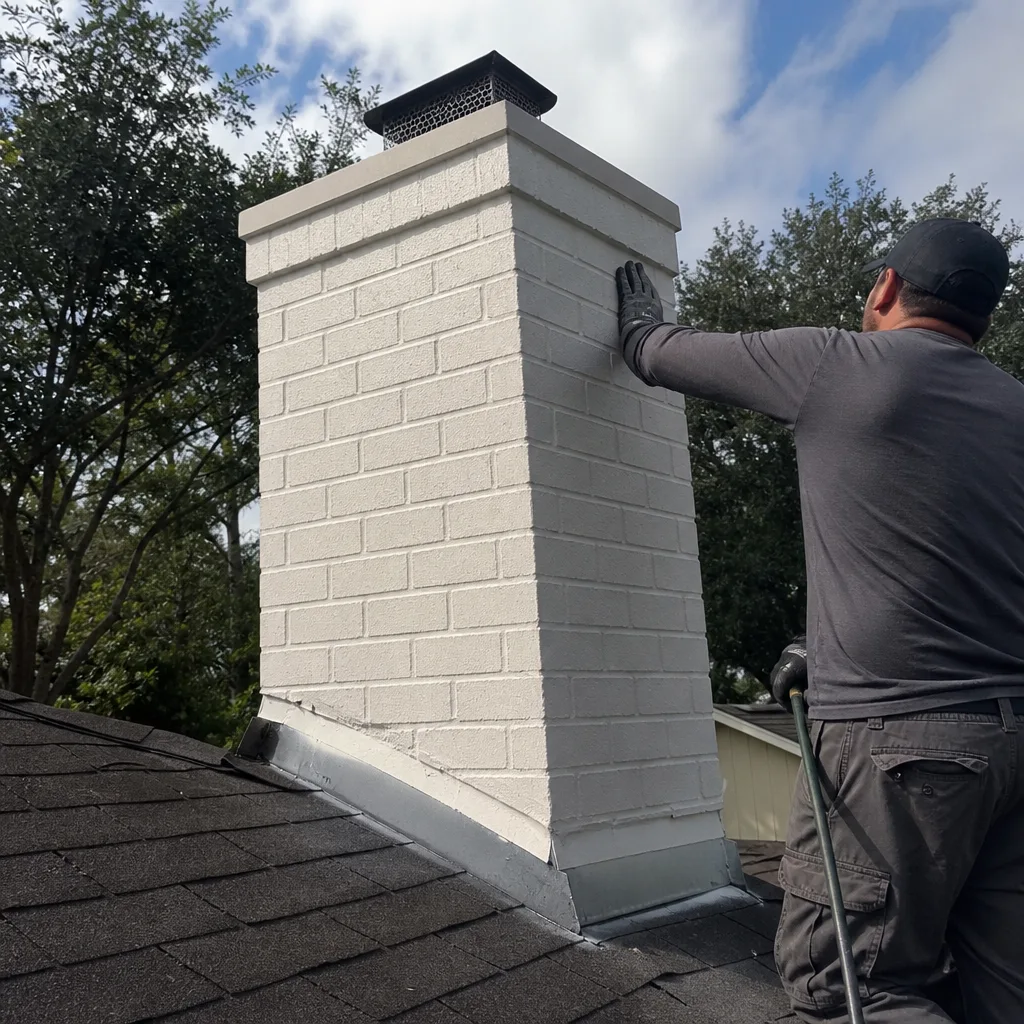
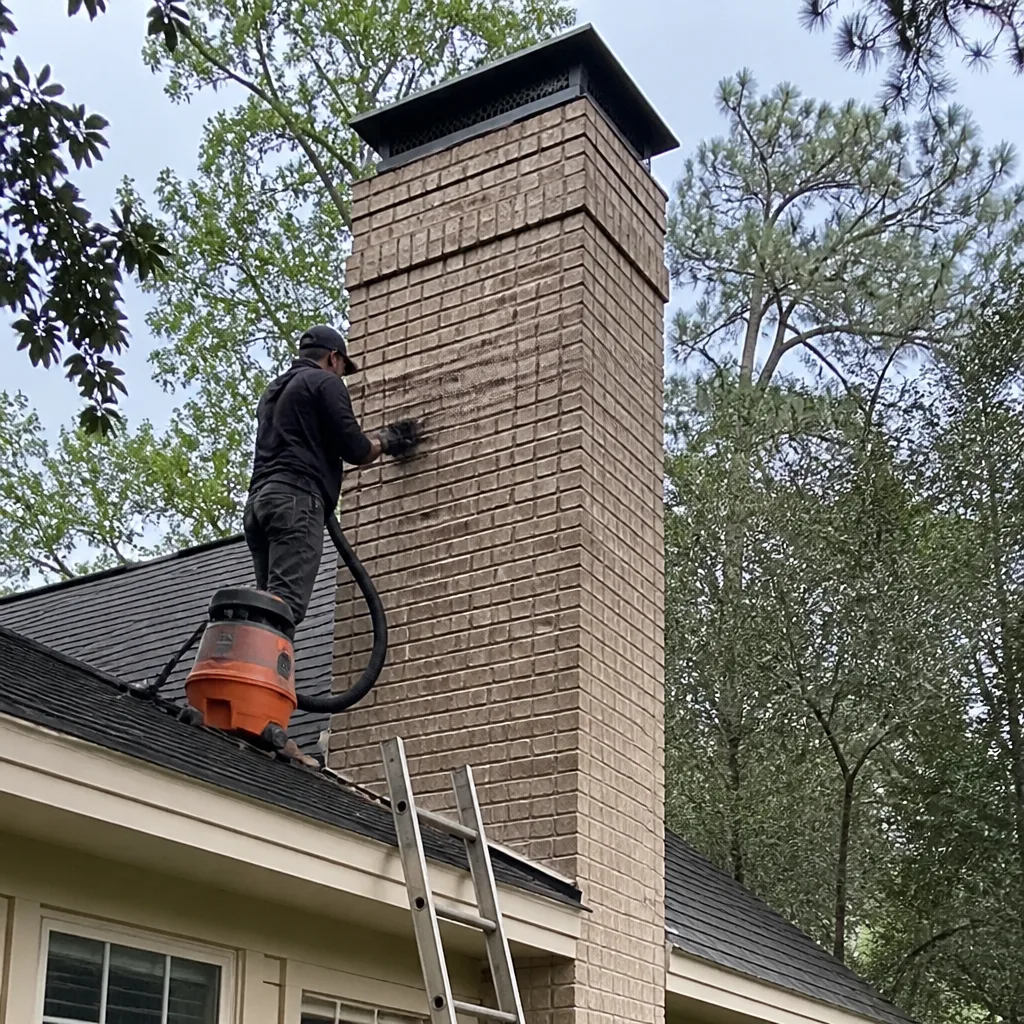
See the difference
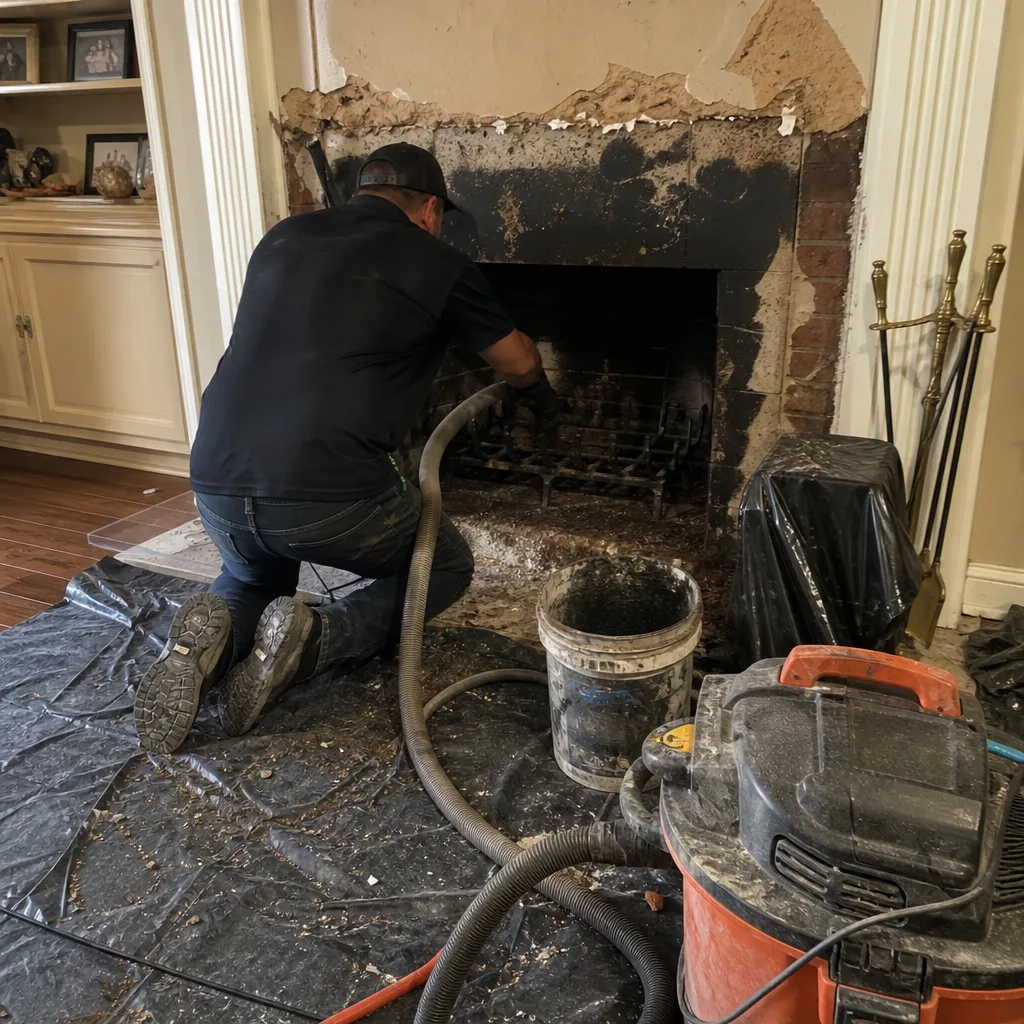 Before
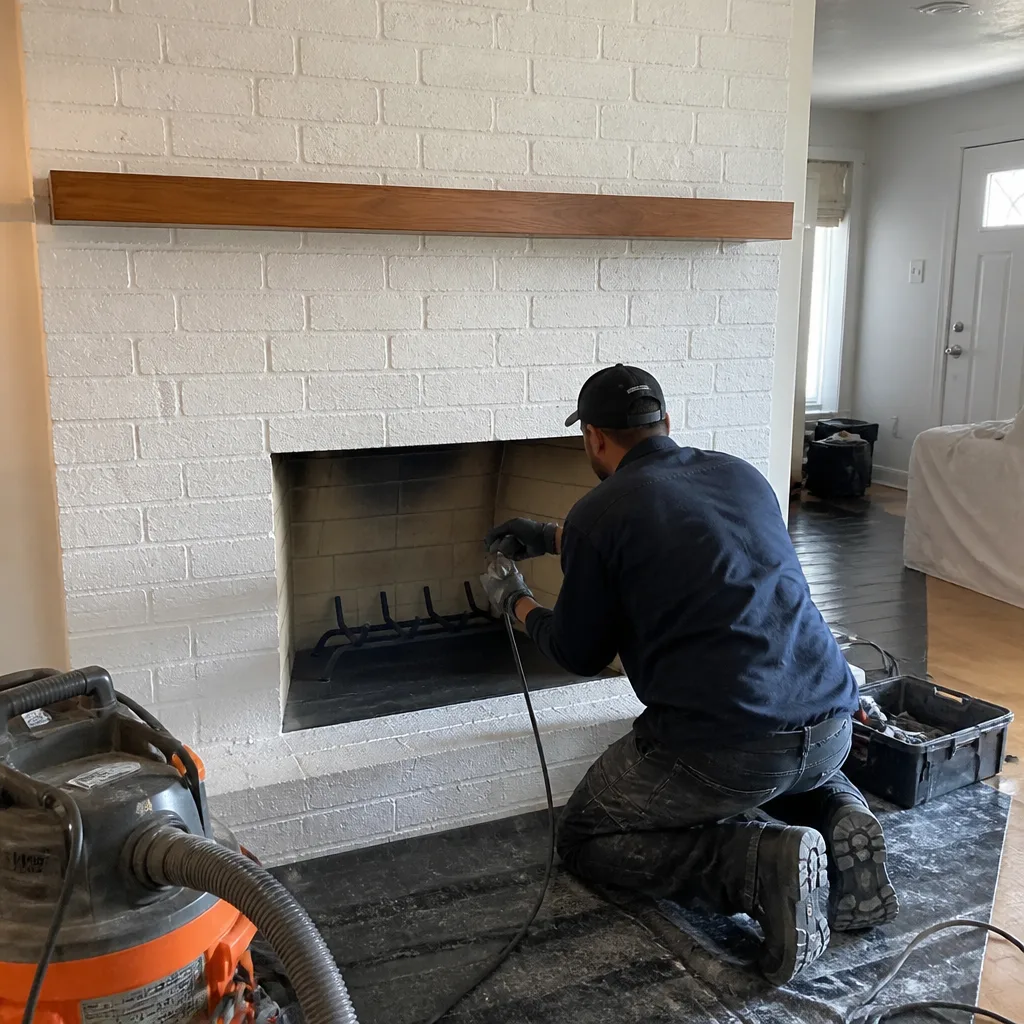 After
After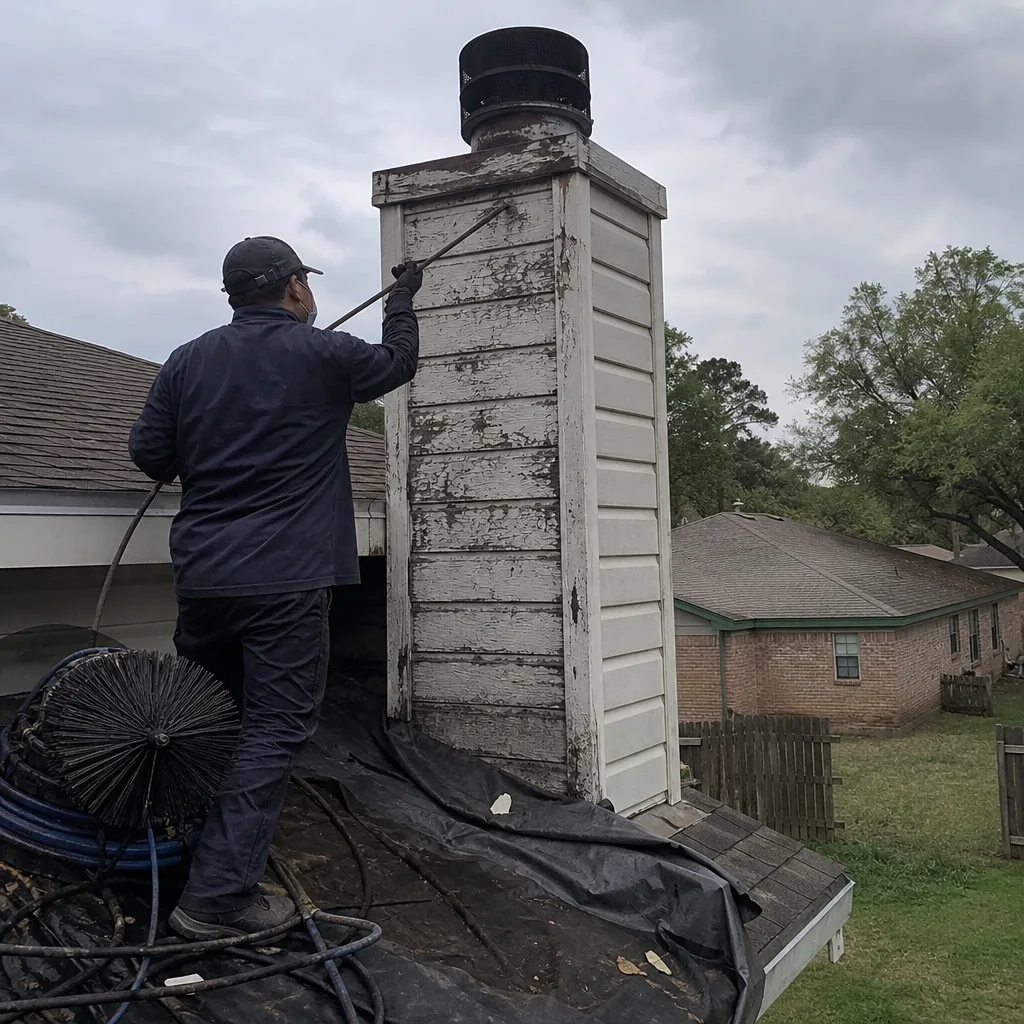 Before
 After
After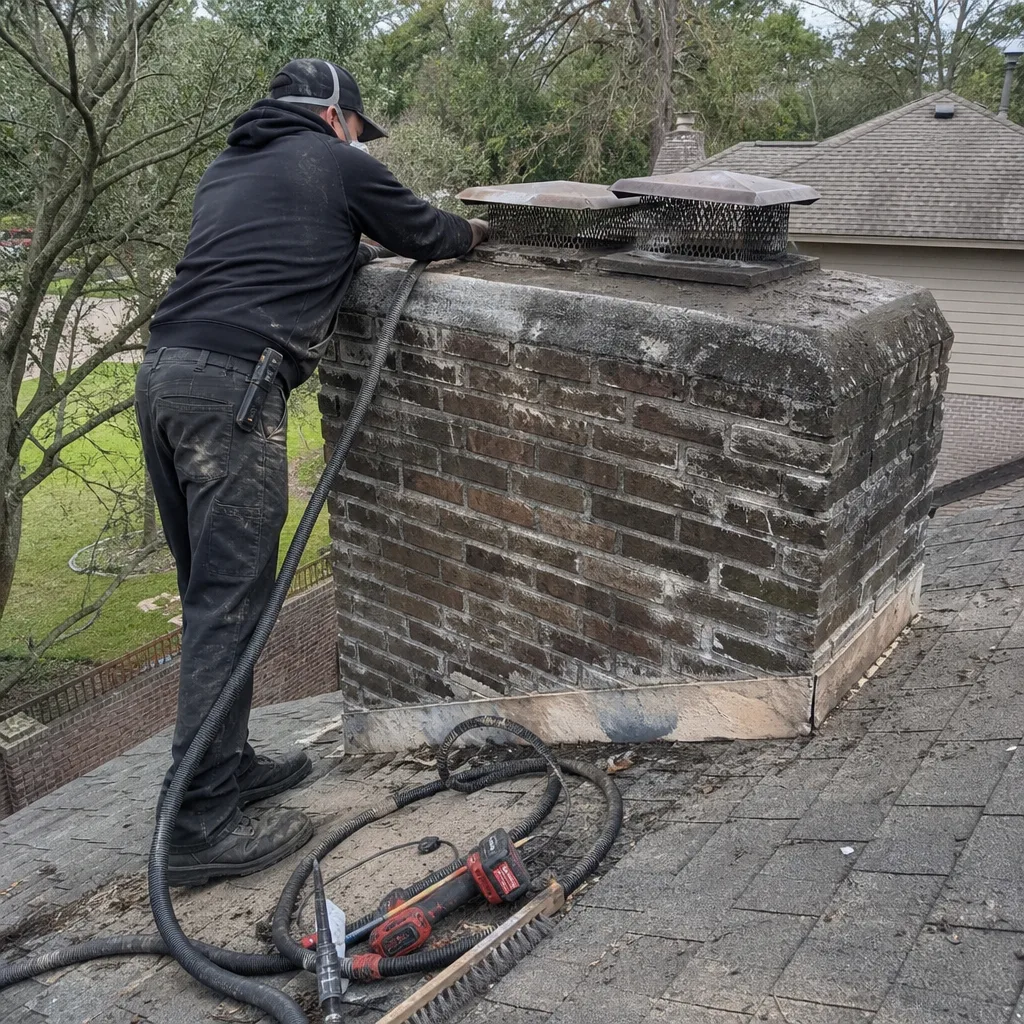 Before
 After
After