
Last updated October 15, 2026
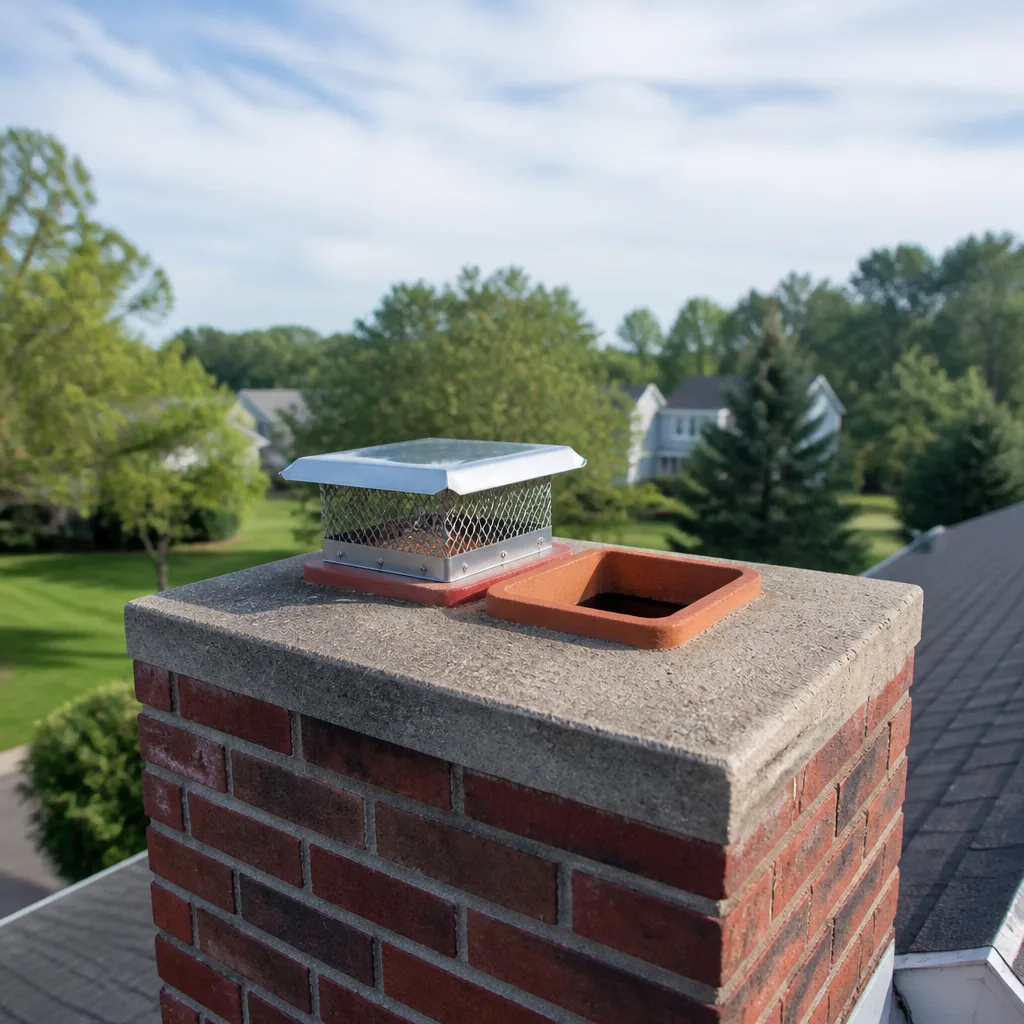 Sweep & inspection
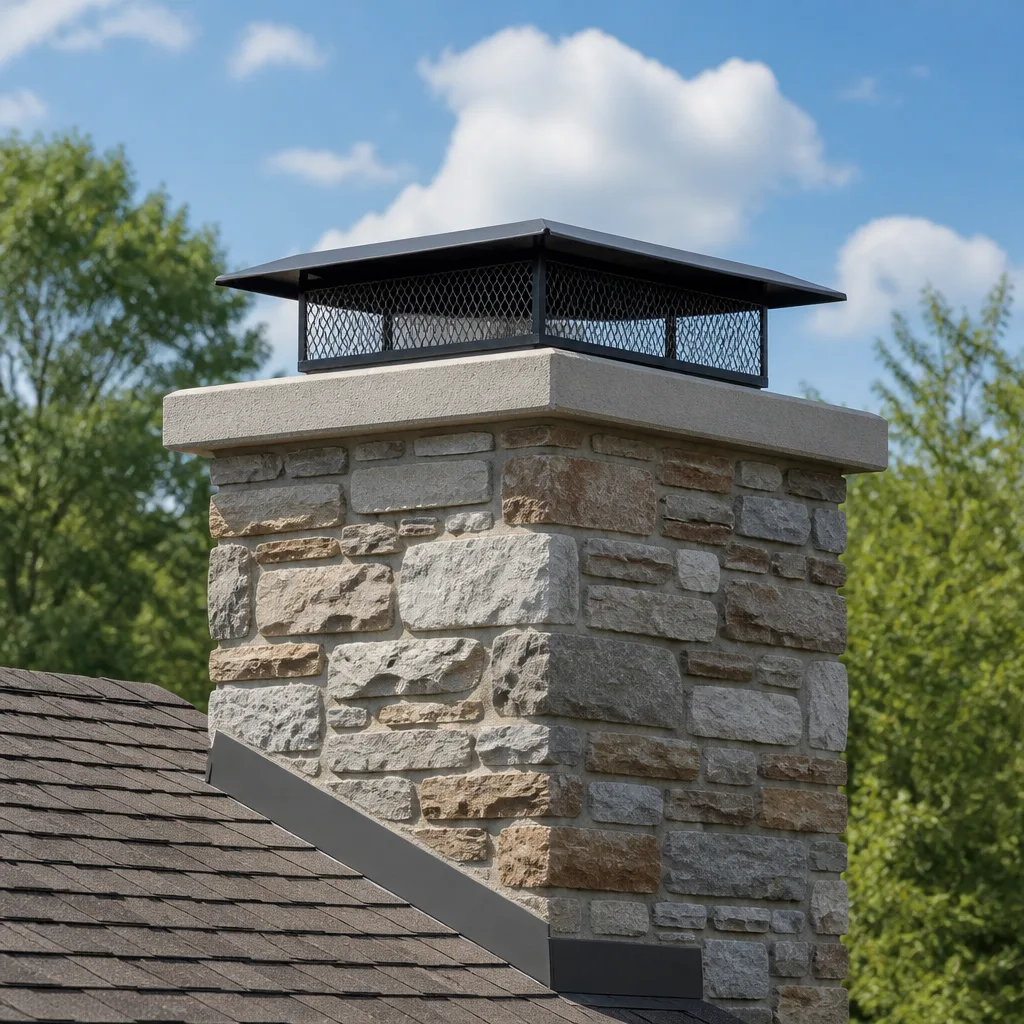 Caps & crowns
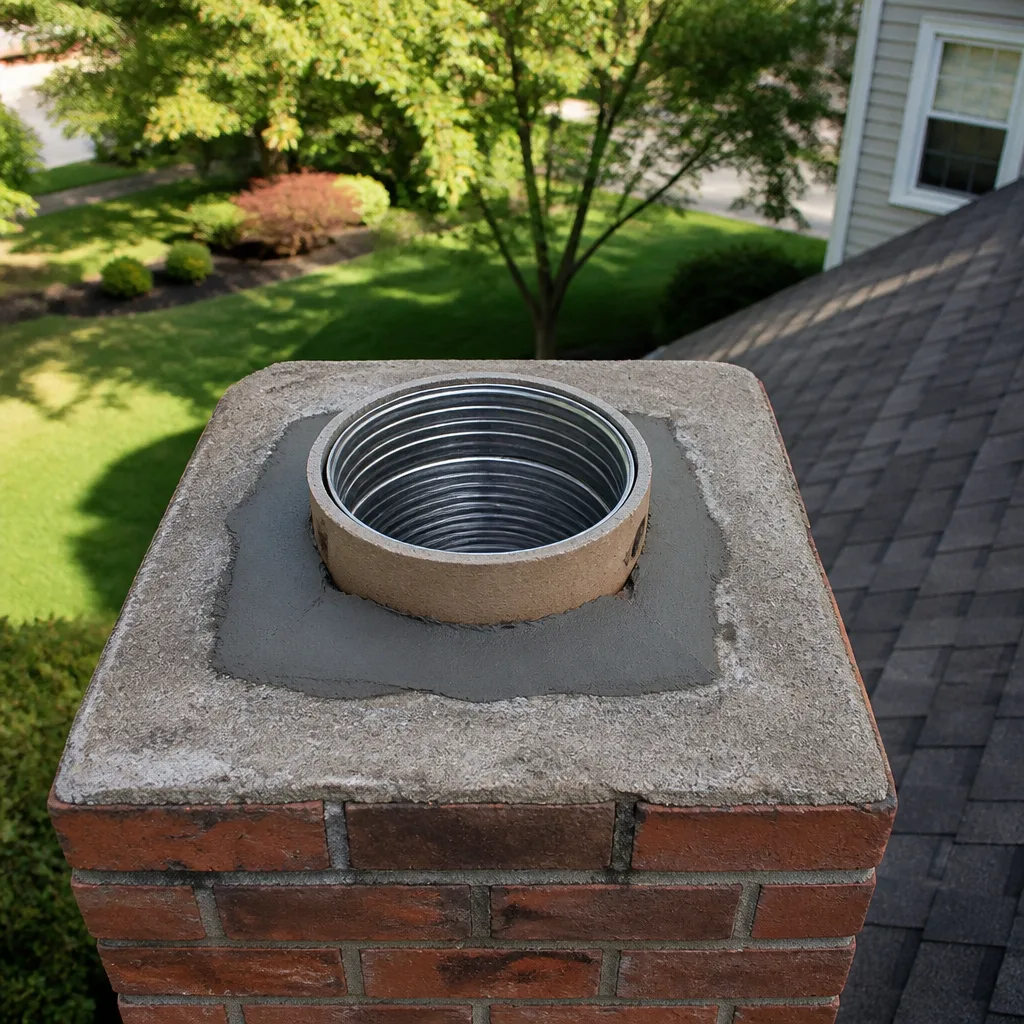 Flue relining
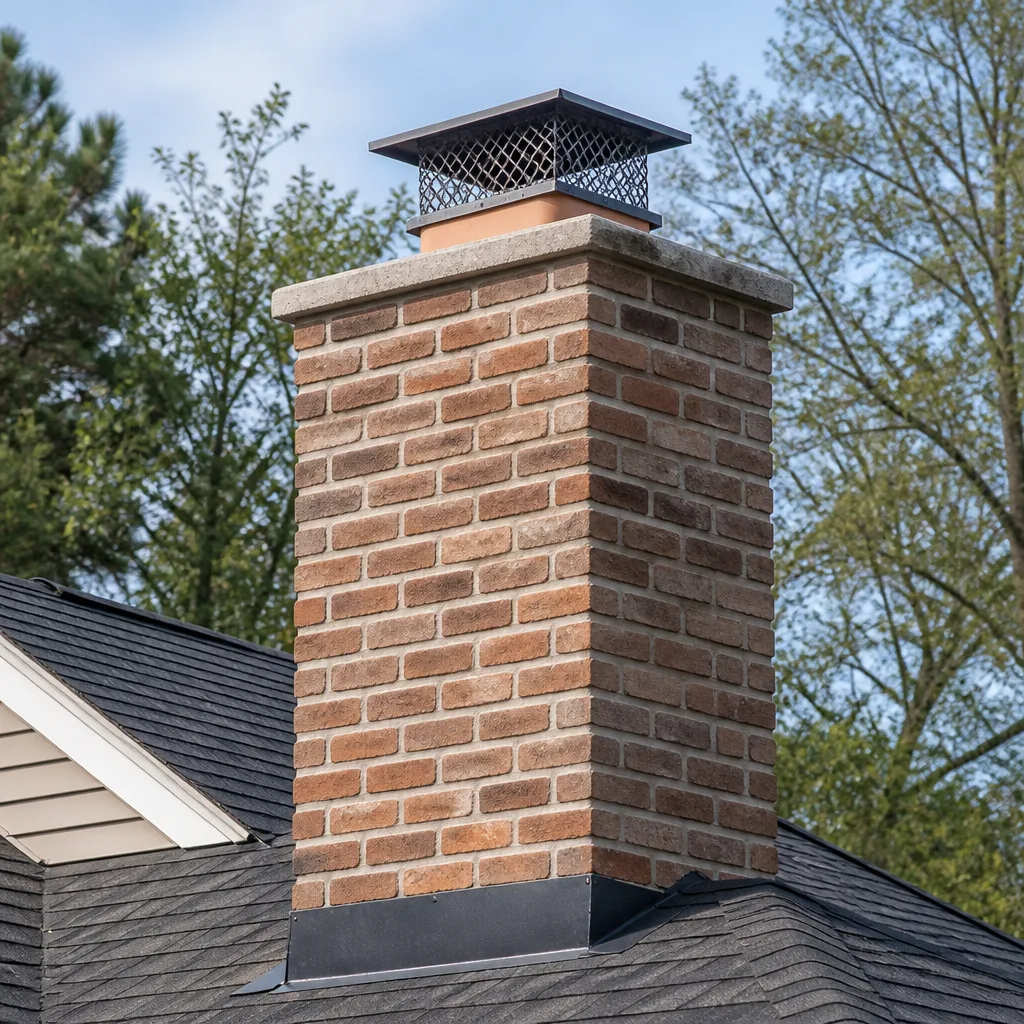 Masonry repair
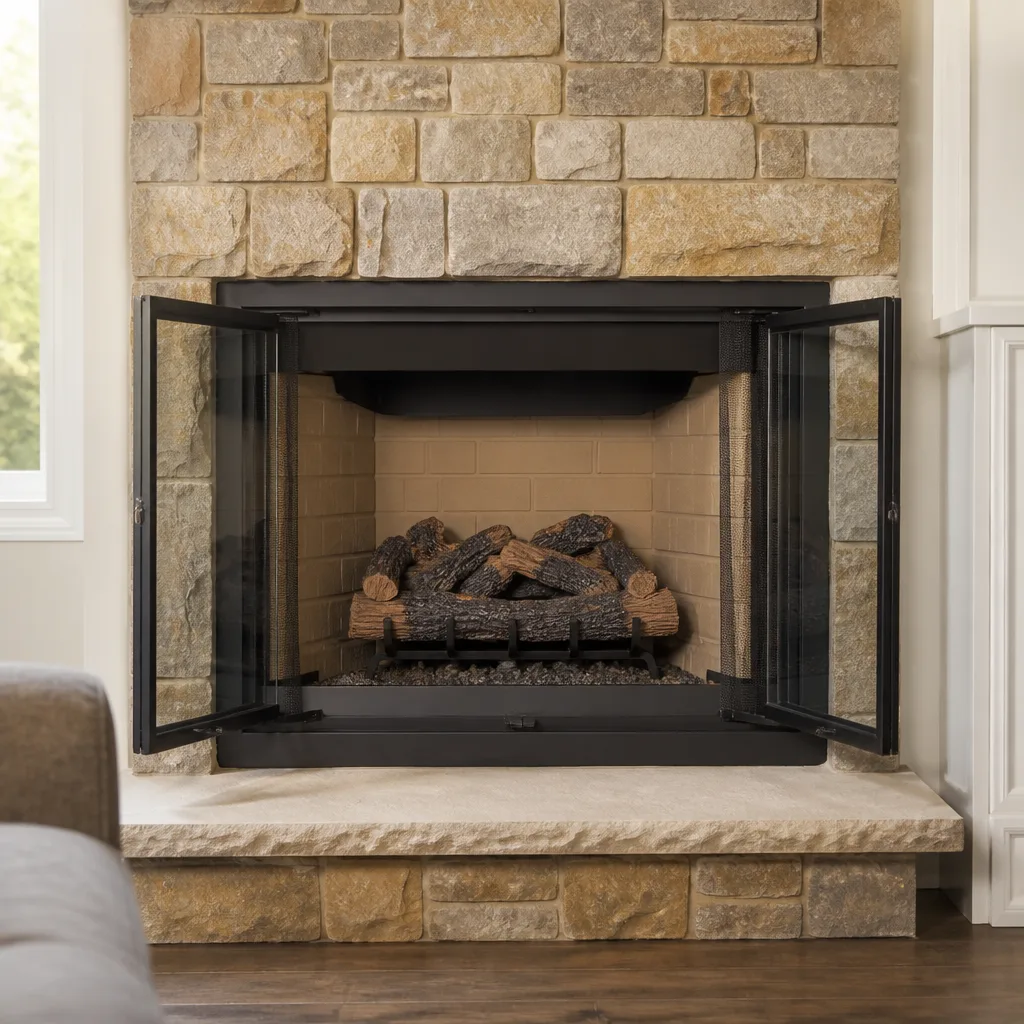 Gas fireplace service
Level 1 sweep and inspection to the NFPA 211 annual standard - flue, crown, cap, and flashing checked and photographed
Chimney sweep logs do not sweep chimneys. They loosen some creosote - which then falls where a brush and vacuum still have to collect it.
Chimney Cleaning Permits, Codes & Inspections in TX: What You Need to Know
Here’s the quiet truth most Houston homeowners don’t learn until it’s too late: a basic chimney sweep costs a few hundred dollars and requires zero paperwork in Texas. But the cracked liner that sweep uncovers, and the $2,400 relining job to fix it correctly, sits on the other side of a legal line that most people never see until a home inspector flags it at the worst possible moment. This guide draws that line clearly. We’ll walk through which chimney work is permit-free maintenance, which repairs trigger a formal City of Houston building permit, how NFPA 211 functions as the technical backbone beneath Texas residential code, and what a code-compliant inspection report actually has to document. By the end, you’ll know exactly what to ask a chimney company in Houston before you write a check.
Styles & brands we work with
Quick Answer
Chimney cleaning itself requires no permit anywhere in Texas, including Houston. What does require permitting in Houston: chimney liner replacement, firebox rebuilds, and certain gas appliance connections. The technical standard that governs solid-fuel chimney work in Texas is NFPA 211, adopted through the residential code and layered with City of Houston local amendments.
Table of Contents
- Texas State Code vs. City of Houston: Which One Governs Your Chimney
- What NFPA 211 Actually Is (and Why It Matters to Your Chimney)
- What’s Permit-Free: Routine Maintenance vs. Repairs
- What Triggers a Houston Building Permit: The Three Categories
- What a Code-Compliant Inspection Report Looks Like vs. a Cleaning Receipt
- How Unpermitted Chimney Repairs Show Up at Resale in Houston
- How to Resolve Unpermitted Chimney Work Before It Kills a Deal
- Common Mistakes to Avoid
- When to Call a Professional
- Frequently Asked Questions
- The Bottom Line
Texas State Code vs. City of Houston: Which One Governs Your Chimney
The State of Texas does not issue a single statewide chimney permit, and it doesn’t license chimney sweeps. What Texas does is adopt a residential building code, and that code tells cities and counties what they must enforce. The Texas Residential Code, built on the International Residential Code with state amendments, sets the baseline for fireplaces, chimneys, and solid-fuel appliances. Houston has adopted its local amendments through Chapter 10 of the City of Houston Code of Ordinances, and that’s the layer that actually controls whether a chimney repair needs a permit inside city limits.
Here’s the practical upshot for a homeowner in Houston: when you’re told a chimney repair “requires a permit,” that requirement comes from City of Houston code, not from some Texas state agency. The state gives Houston the authority, and Houston writes the specific rules. That matters because people move. If you’re in an unincorporated part of Harris County, you may be governed by county-level rules or none at all outside the adopted code, but anywhere within city limits of Houston, the city’s amendment schedule is the authority.
Where to find the current adopted edition: the City of Houston’s Code Enforcement Division and the Houston Permitting Center publish their adopted codes and amendments. The Texas Department of Insurance is responsible for state-level code adoption, but once Houston amends the model code, the city’s version is what a building official enforces. We keep a copy of the current edition in our reference file at Flint Chimney Co Houston home and check it annually because Houston amends on its own cycle that doesn’t always match the state’s.
In practice, most Houston chimney work falls under the mechanical and fuel gas chapters of the residential code, with structural firebox and masonry work pulled into the building chapters. What a homeowner should know: a code official can ask for documentation for any chimney repair, and “my sweep said it was fine” doesn’t satisfy a permit requirement.
What NFPA 211 Actually Is (and Why It Matters to Your Chimney)
NFPA 211 is the National Fire Protection Association standard for chimneys, fireplaces, vents, and solid-fuel-burning appliances. It’s a model standard, not a law by itself, but Texas has adopted it by reference into residential code, which makes it enforceable. When Houston code says a chimney must be “code-compliant,” in most cases the specific technical measurements come from NFPA 211: clearance to combustibles, flue sizing, liner material requirements, and inspection intervals.
What that means for a homeowner: when a chimney tech says “this doesn’t meet code,” the specific code they’re referencing is usually NFPA 211 through the Texas Residential Code. That’s what governs a proper Chimney Inspection in Houston. For example, NFPA 211 requires a masonry chimney with a clay tile liner that’s cracked, spalled, or separated at any joint to be relined before continued use. That’s not a company opinion. It’s the standard. And it’s the same standard a Houston building inspector will use to judge a repair.
We see this confusion all the time: a homeowner gets a sweep, the tech says the liner is cracked, and the homeowner wonders if the tech is trying to upsell a relining job (see our Chimney Cleaning Warning Signs: A Houston Homeowner’s Reference Guide for context). The answer is sometimes yes, a bad actor will use NFPA 211 language to scare a homeowner. But the standard itself is real, and the measurement is verifiable. A Level 2 inspection with a camera documents actual cracks and spalled joints. A homeowner who receives that report can ask to see the images. NFPA 211 is what makes “it’s cracked” a factual claim rather than an opinion.
One more point most guides & resources miss: NFPA 211 also sets the trigger for inspection levels. A Level 1 inspection is visual only, the standard for an annual check when nothing has changed. A Level 2 is required when a property changes hands, when the system is altered, or after a chimney fire. A Level 3 is reserved for suspected hidden damage that requires partial demolition to assess. That’s why a home purchase in Houston typically triggers a more thorough inspection than a routine annual sweep.
What’s Permit-Free: Routine Maintenance vs. Repairs
The line between maintenance and repair is where most Houston homeowners lose their footing. The general rule: routine cleaning and direct replacement of like-for-like components do not require a City of Houston permit. The work that does require a permit is work that alters the system or restores structural or fire safety elements that have failed.
Here’s what sits on the permit-free side in Houston:
- Chimney sweeping – removing soot and creosote from the flue by brush or rotary tool. No permit, no filing, no inspection.
- Routine Level 1 inspection – a visual check of accessible portions of the chimney, firebox, and exterior. No permit required to inspect anything.
- Chimney cap replacement – replacing an existing cap with a new one of the same style, often using a brand like Copperfield, doesn’t trigger a permit. It’s direct component replacement.
- Chimney damper replacement – swapping a damaged top-mount damper for a new unit of the same type falls on the maintenance side.
- Minor tuckpointing – repairing small areas of spalled brick or repointing sections of chimney masonry where the structural integrity isn’t compromised.
- Firebox panel replacement – if the firebox panels are a modular unit and you’re replacing one panel, not reconstructing the firebox, you’re likely still in maintenance territory. If the entire firebox is being rebuilt, see the next section.
- Smoke chamber parging – smoothing and sealing the smoke chamber with refractory mortar, done as part of a sweep or inspection, is generally not a permit item.
Notice the pattern: none of these change the fundamental design or structural load of the chimney. That’s the working definition.
In Houston specifically, there’s another maintenance angle that matters to safety and insurance: documentation. Even though a sweep is permit-free, a written receipt from a Chimney Sweep in Houston that documents the date, the scope, and the technician’s findings serves as your paper trail if a fire or carbon monoxide event occurs and an insurance adjuster starts asking questions. We write every sweep as a service record for that reason.
What Triggers a Houston Building Permit: The Three Categories
When a chimney repair crosses into structural or fire-safety territory, Houston’s building official will require a permit. It helps to think in three categories, because nearly every chimney permitting question falls into one of them.
Category 1: Chimney liner replacement or relining. When a flue liner has cracked, separated, or spalled, the fix is either a stainless steel liner system (DuraFlex and Olympia Chimney are two common brand names) or a new clay tile liner. Both are considered alterations to the fire safety system, and both require a Houston permit. The reason: the liner is the barrier between combustion products and combustible framing. A liner replacement changes the flue dimensions, the appliance connection, and the clearance calculation. The city wants that documented and inspected. This is the most common permit trigger we see on a Chimney Repair in Houston.
Category 2: Firebox reconstruction. If a fireplace firebox is rebuilt, rather than having a single panel replaced, that’s structural work. A rebuilt firebox involves new refractory materials, a changed opening profile potentially affecting draft, and often a new lintel or damper seat. Houston treats this as a building permit item. The permit protects you as the homeowner because it puts a city inspector on record that the reconstruction meets the code for clearance and fire resistance.
Category 3: Gas appliance connections and conversions. If you’re connecting a gas log set, converting a wood-burning fireplace to gas, or installing a gas fire feature, that’s a fuel gas appliance installation. The City of Houston requires a permit for gas appliance work because the connection itself introduces a new fuel line and ventilation system. What the city wants: correctly sized gas line, proper shutoff valve, correct flue or vent configuration, and carbon monoxide clearance from the fireplace to the living space.
One thing to note on the gas work: the permit is not a chimney permit specifically. It’s a mechanical/fuel gas permit, and Houston enforces it through the same Permitting Center. The distinction matters because some homeowners assume “nothing chimney-related needs a permit” and then find out the gas log set they installed needs a fuel gas inspection.
The safest mental model: if a repair involves a new liner, a new structural fireplace component, or a gas line, ask for the permit. If a contractor says “we don’t pull permits for this,” ask them to put that in writing. Then check with the Houston Permitting Center whether the work requires one.
What a Code-Compliant Inspection Report Looks Like vs. a Cleaning Receipt
A cleaning receipt and a code-compliant inspection report are different documents, and the price difference between them is real. Here’s how to tell what you got.
A cleaning receipt typically shows: the date, the technician’s name, the fact that the flue was swept, how much creosote was removed, and a price. That’s it. It confirms maintenance happened. It does not document the condition of the liner at the top of the flue where the camera can’t see from the firebox, the clearance between the chimney exterior and nearby framing, or the firebox refractory condition. A cleaning receipt is not a code compliance document.
A code-compliant inspection report, what NFPA 211 envisions for a Level 2 inspection, documents specific findings against specific standards:
- Flue liner condition – with camera images, noting cracks, spalled joints, missing mortar, or perforation
- Clearance to combustibles – measured distance from the chimney interior to combustible framing at the ceiling penetration and roof pass-through
- Firebox and smoke chamber condition – refractory cracks, mortar condition, and the smoke chamber’s ability to contain and redirect combustion gases
- Chimney cap and crown condition – documentation of the cap type, brand if identifiable (Famco and Copperfield caps are common in Houston), and crown cracks or mortar failure
- Exterior masonry condition – spalled brick, missing mortar joints, visible leaning, and any evidence of moisture intrusion
- Flue sizing verification – the inner flue diameter checked against the appliance’s required flue size per the manufacturer’s spec, which NFPA 211 mandates
- Clear photographic evidence – the standard for Level 2 is camera documentation, not just a written summary
In Houston, the difference between these two documents becomes acute when you try to sell your house. A buyer’s inspector will typically ask for “the last chimney inspection report.” If what you hand over is a cleaning receipt, it doesn’t answer the question, and the buyer’s inspector will flag the chimney as “condition unknown, recommend Level 2 inspection.” That’s how a simple sale becomes a negotiation.
We write every inspection as a code-referenced report. Each finding is tied to the specific NFPA 211 or Texas Residential Code section it relates to, and each photo is annotated. The reason: a report that doesn’t cite the code is just an opinion, and an opinion doesn’t hold up to an insurance adjuster or a Houston building official.
How Unpermitted Chimney Repairs Show Up at Resale in Houston
Unpermitted chimney work surfaces at resale most often through two channels: the seller’s disclosure notice and the buyer’s home inspection. Texas law requires sellers to disclose known defects, and the standard Texas Real Estate Commission seller’s disclosure includes a section on “fireplaces and chimneys.” If a seller knows a liner was replaced without a permit, that’s a material fact. Failing to disclose it creates legal exposure that outlives the sale.
The home inspection is where the problem usually appears first. A Houston buyer’s inspector checks for visible signs of recent chimney work: fresh mortar, a new cap, a new stainless liner visible at the top of the flue, or a gas log set with what looks like a recently installed gas line. The inspector then checks the city’s permit database. If the work isn’t there, the inspection report flags it: “Evidence of chimney liner replacement; no permit found on record with City of Houston.” At that moment, the buyer has a negotiating lever, and the seller has a problem.
What the buyer’s inspector is really signaling: the work may be perfectly good, but nobody can prove it. Insurance companies also care. A homeowner’s insurer that discovers a wood-burning fireplace with an unpermitted relining may raise the premium, exclude the chimney from coverage, or decline renewal after a claim. That’s not hypothetical in Houston, where chimney fires account for a meaningful share of structure fires every winter, particularly in older neighborhoods like the Heights and Montrose with original 1920s and 1930s masonry.
Here’s the resolution path, and it’s the same for a buyer and a seller: pull the permit retroactively if the city allows it, have the work inspected by either a city inspector or a licensed third-party who can certify the repair against code, and document the result. Houston’s Permitting Center does process after-the-fact permits for some chimney work, though the process is slower than doing it right the first time and may involve opening a wall to expose the firestop for inspection.
The alternative path is a Level 2 inspection report by a qualified chimney professional that documents the repair against NFPA 211, plus a letter describing the scope and the professional’s opinion that the work meets code. That’s not a substitute for a permit where one was required, but it’s often enough to satisfy a buyer’s lender or an insurance underwriter when combined with the retroactive permit process.
How to Resolve Unpermitted Chimney Work Before It Kills a Deal
If you already have unpermitted chimney work and you’re planning to sell your Houston home, start the resolution process before you list, not after an inspector catches it. Here’s the sequence we recommend, based on walking dozens of Houston homeowners through it.
- Determine what work was actually done. Find the original invoice, the contractor’s name, and any photos. If the contractor is still in business, contact them and ask directly whether the work was permitted and if they can produce the documentation.
- Pull the property’s permit history. The City of Houston’s permitting database is searchable by address. Check whether a permit was pulled for the work period. If one was pulled and just never closed, the fix may be as simple as scheduling the final inspection and paying the closeout fee.
- Request a Level 2 chimney inspection. Before you approach the city, get a current condition report from a qualified professional. The report documents whether the work, permitted or not, meets NFPA 211. If it does, you have a strong case for a retroactive permit. If it doesn’t, you now know what must be corrected.
- Apply for an after-the-fact permit. Houston does issue after-the-fact permits for some chimney work, specifically liner replacement and firebox repair. Expect a plan review, a permit fee, and a site inspection. The inspector may require exposing a section of the work to verify the installation.
- Schedule the final inspection. With the after-the-fact permit in hand and the work confirmed against code, the city closes the permit. That permit number is what a buyer’s inspector finds, and the issue goes away.
- Keep every document. The closed permit, the Level 2 report, the photo documentation, and the original repair invoice now form a complete file. Hand that file to the buyer’s agent at contract, and the chimney stops being a negotiating point.
The cost of doing this before you list is typically under $1,000, including inspection, permit fees, and any minor corrective work. The cost of doing it after a buyer’s inspector flags it is a price concession, a delayed closing, or a deal that falls apart. Sellers beat this problem by starting early.
Common Mistakes to Avoid
- Assuming all chimney work is permit-free. A sweep is free of permits. A liner replacement is not. The cost of confusing the two: a failed permit search at resale.
- Accepting a verbal “it’s code compliant” without a written report. A builder’s opinion doesn’t hold up in a Houston permit application or an insurance claim. Ask for the code-referenced report.
- Treating a cleaning receipt as an inspection report. They are different documents for different purposes. A cleaning tells you the flue is clean. An inspection tells you the system is safe and code-compliant.
- Skipping the gas permit when installing a gas log set. Houston requires a fuel gas permit for new gas appliance connections. Missing it creates a disclosure issue at sale and a potential insurance denial.
- Waiting until the sale contract is signed to research the chimney’s history. By then, the buyer’s inspector is the one driving the timeline. Pull your property’s permit history before you list.
- Hiring a contractor who refuses to pull permits. The refusal usually signals the contractor doesn’t have the experience or doesn’t want the inspection scrutiny. Either way, the liability stays with the homeowner.
- Not documenting a chimney fire. If you experience a chimney fire, even a small one, have a Level 2 inspection performed and keep the report. Documenting the event and the aftermath protects you in a future insurance claim or sale.
When to Call a Professional
Some permitting questions have clean answers, but most real-world Houston chimney situations sit in the gray zone between maintenance and alteration. If you’re preparing to sell, if you just bought a house with a fireplace and no inspection history, if you’re considering a gas log set, or if a sweep has told you the liner is cracked, that’s the moment to get a professional involved, not after the fact. We walk Houston homeowners through permit searches, code-referenced inspection reports, and after-the-fact permit filings as a standard part of our service (our Chimney Sweep Maintenance Checklist for Houston Homeowners covers what to track). Flint Chimney Co Houston offers free estimates in Houston – call (325) 750-6259 and we’ll tell you exactly what your chimney needs, in writing, before any work starts.
Frequently Asked Questions
No. Chimney sweeping is routine maintenance and requires no permit anywhere in Texas, including Houston. What may require a permit is any repair the sweep uncovers, such as a liner replacement or firebox rebuild.
A standard chimney sweep in Houston typically runs $180 to $350, depending on the chimney’s condition and whether the sweep is combined with an inspection. A Level 2 inspection, which includes camera documentation, adds $200 to $400. Call (325) 750-6259 for an exact quote – estimates are free.
Yes. Liner replacement, whether stainless steel (such as DuraFlex or Olympia Chimney brands) or new clay tile, is a fire safety system alteration and requires a City of Houston building permit. A contractor who tells you otherwise is giving you bad advice that will surface at resale.
The National Fire Protection Association says chimneys should be swept when creosote buildup reaches 1/8 inch or more, and at minimum once per year if you use the fireplace regularly. Houston’s humid climate can actually accelerate creosote accumulation because moisture causes creosote to glaze and harden, so an annual check is prudent even if you burn only occasional fires.
The inspector flags it, the seller must respond in the inspection resolution, and the buyer typically asks for either a retroactive permit, a structural certification from a qualified chimney professional, or a price concession. The fix is easier and cheaper before listing: pull the property’s permit history and resolve any gaps early.
NFPA 211 is the National Fire Protection Association standard for chimneys, fireplaces, and solid-fuel appliances. Texas adopts it by reference into residential code, which makes its measurements, clearances, and liner requirements enforceable. When a code official or a qualified chimney professional says your system is non-compliant, NFPA 211 is the yardstick they’re using.
The Bottom Line
Chimney cleaning in Texas requires no permit, but the line between maintenance and repair is not something to learn the hard way at a closing table. A liner replacement, firebox rebuild, or gas appliance connection triggers a City of Houston permit, and unpermitted work has a way of surfacing when it’s most expensive to fix. The protection is simple: get a code-referenced inspection report from a professional who can cite the specific NFPA 211 sections that apply, keep the documentation, and resolve any permit gaps before you list your home. Houston’s climate and Houston’s housing stock make chimney documentation a resale issue here more than almost anywhere else in Texas. The discipline of knowing the code is cheap. The cost of ignoring it is measured in lost contracts and failed deals.
Written by Hank Delano, Owner at Flint Chimney Co Houston, serving Houston since 2002.
See the difference
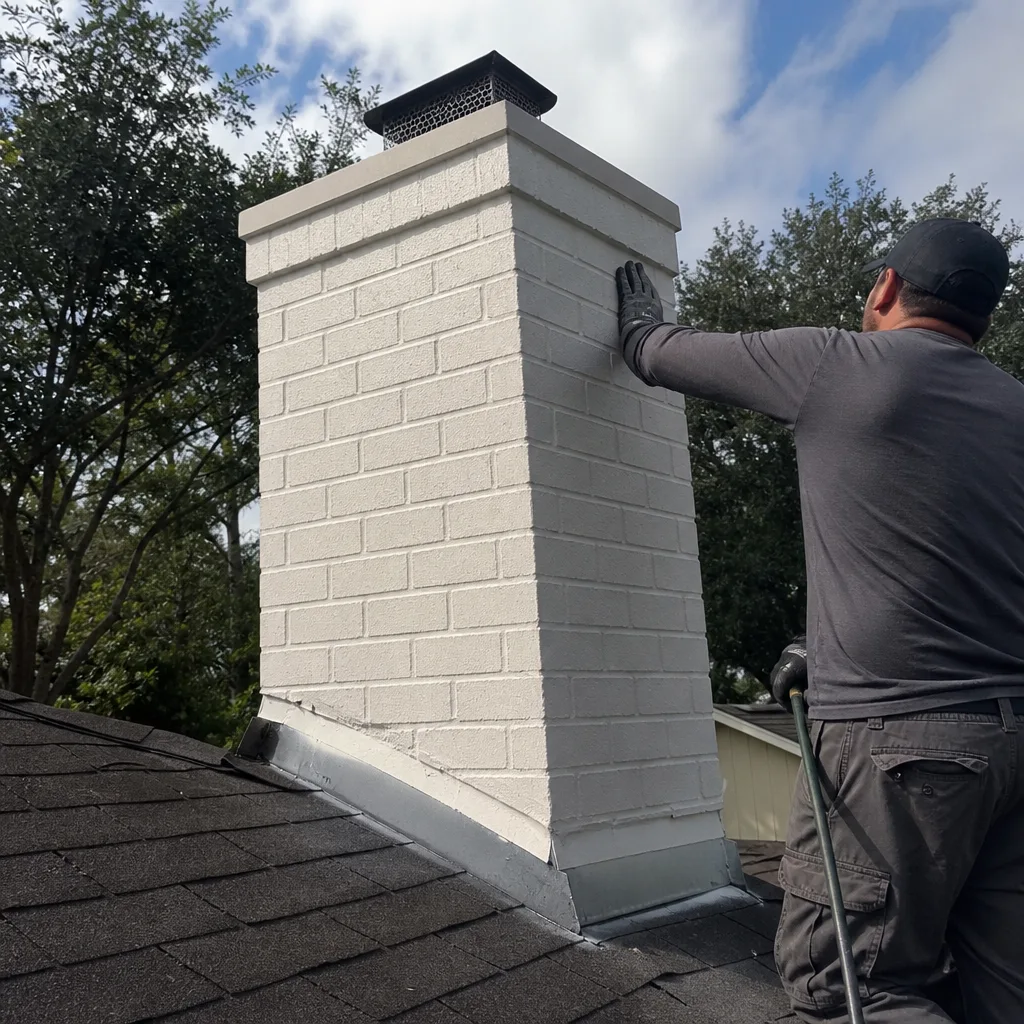
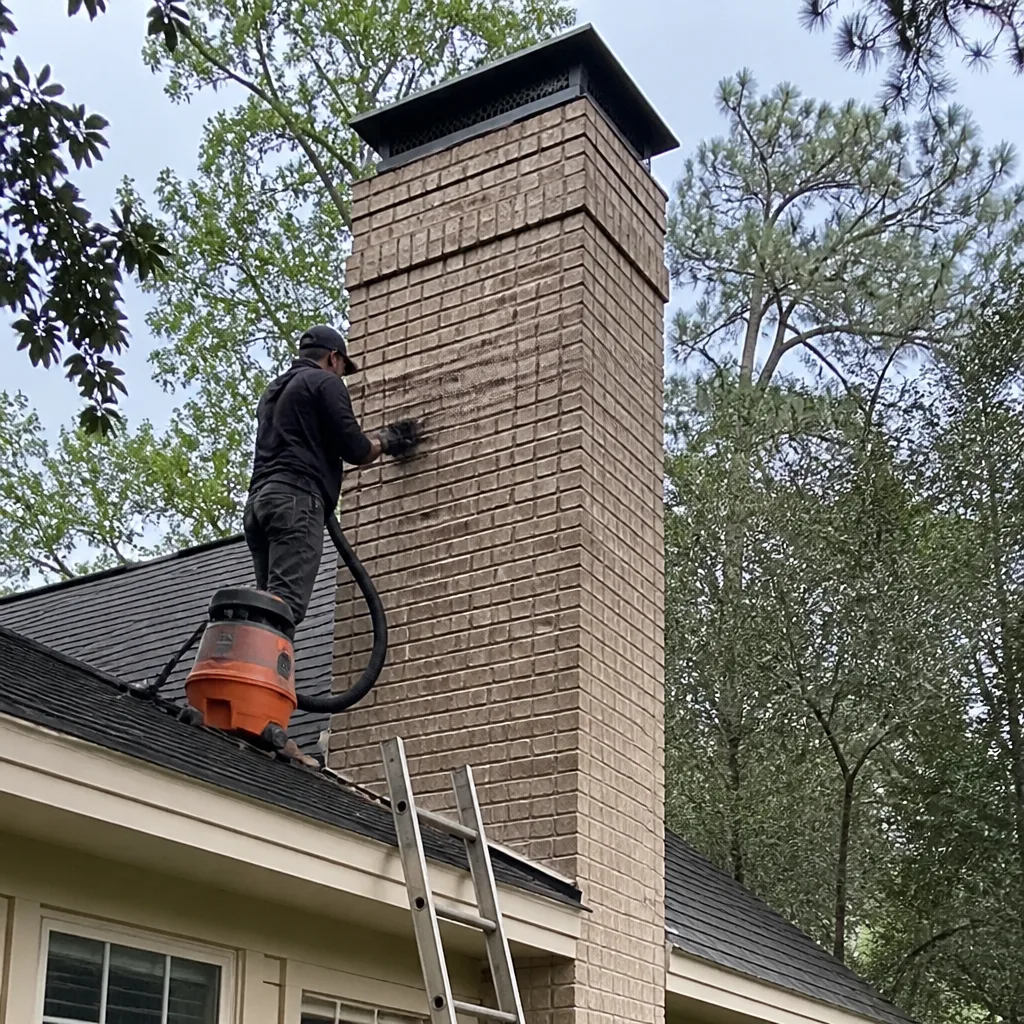
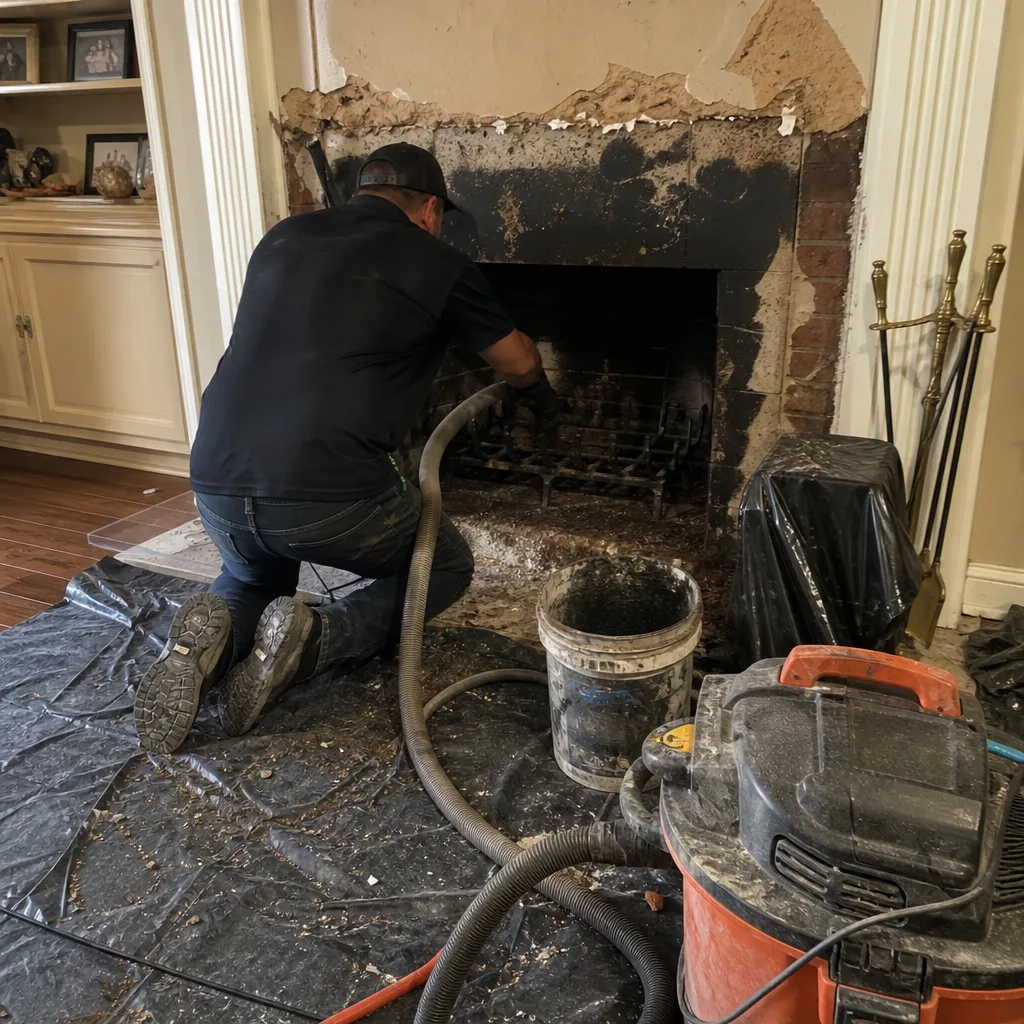 Before
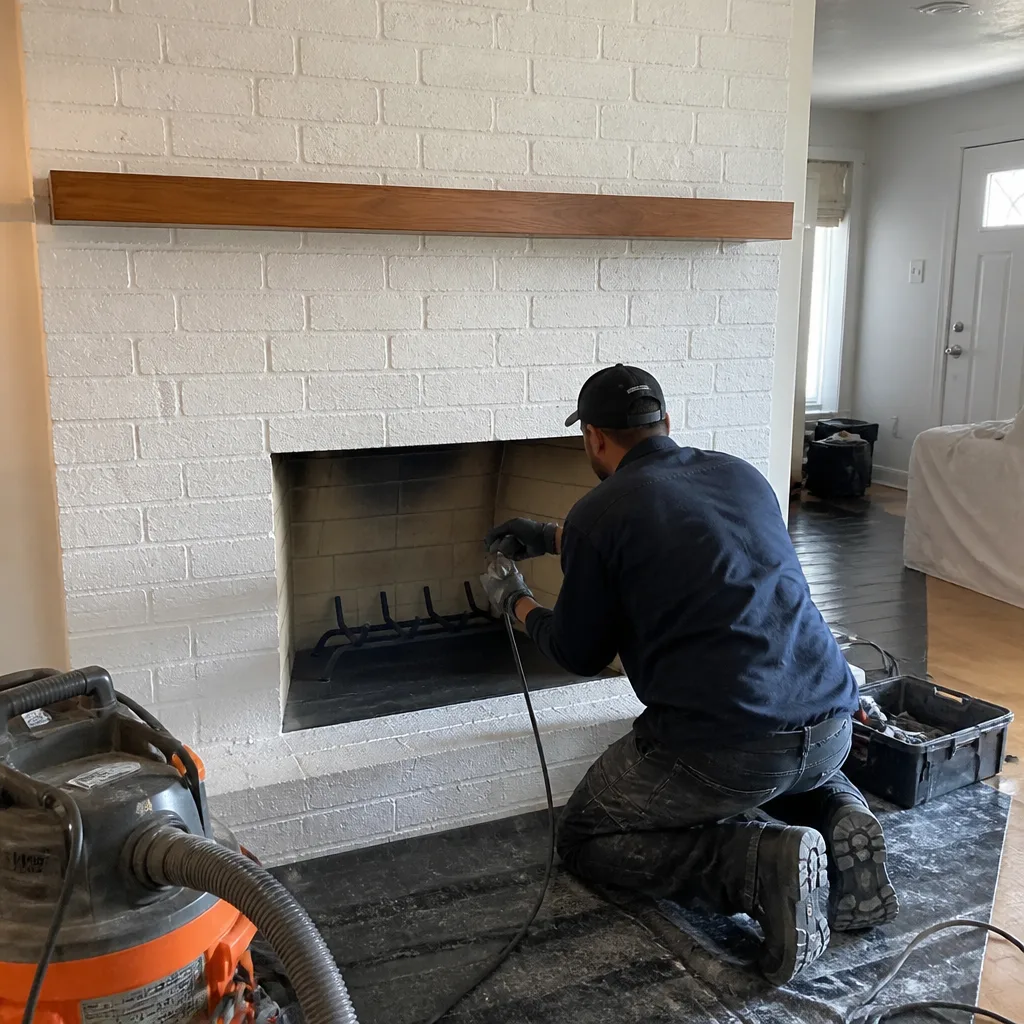 After
After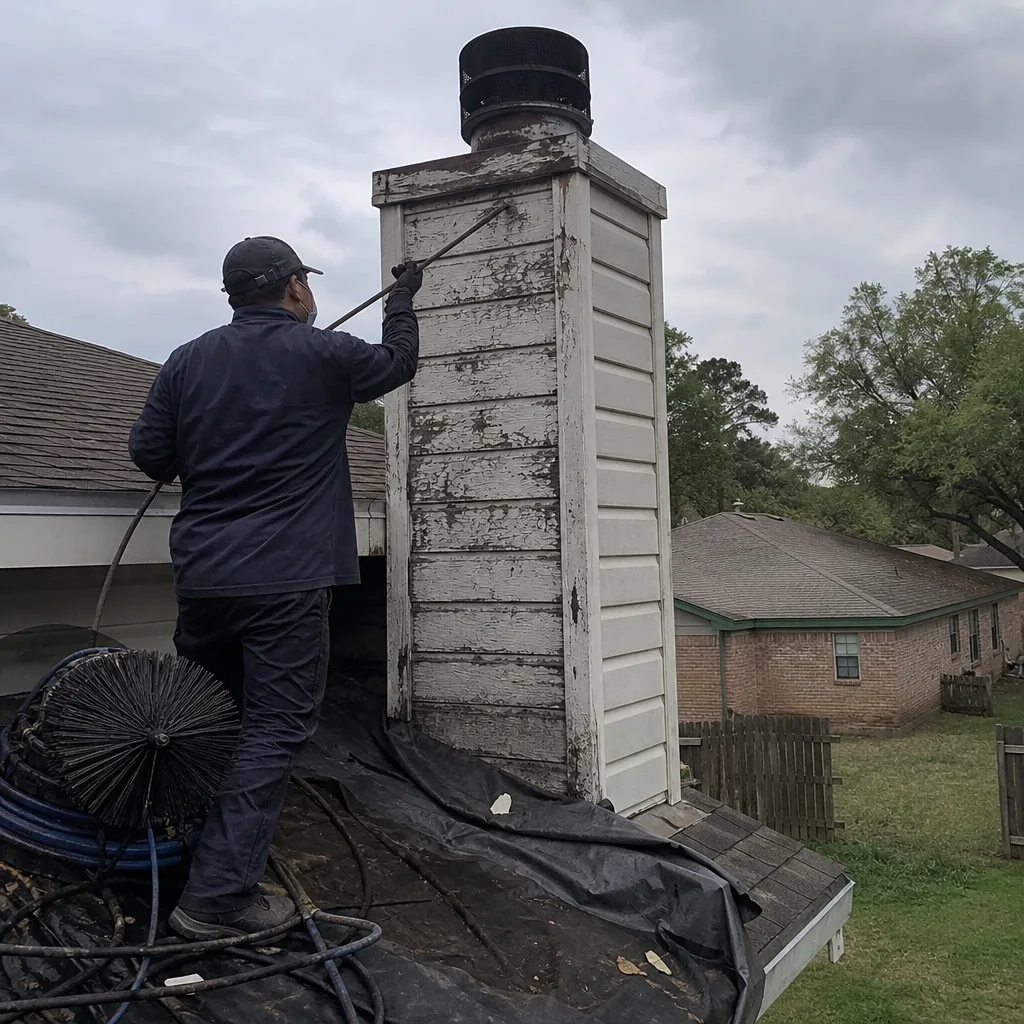 Before
 After
After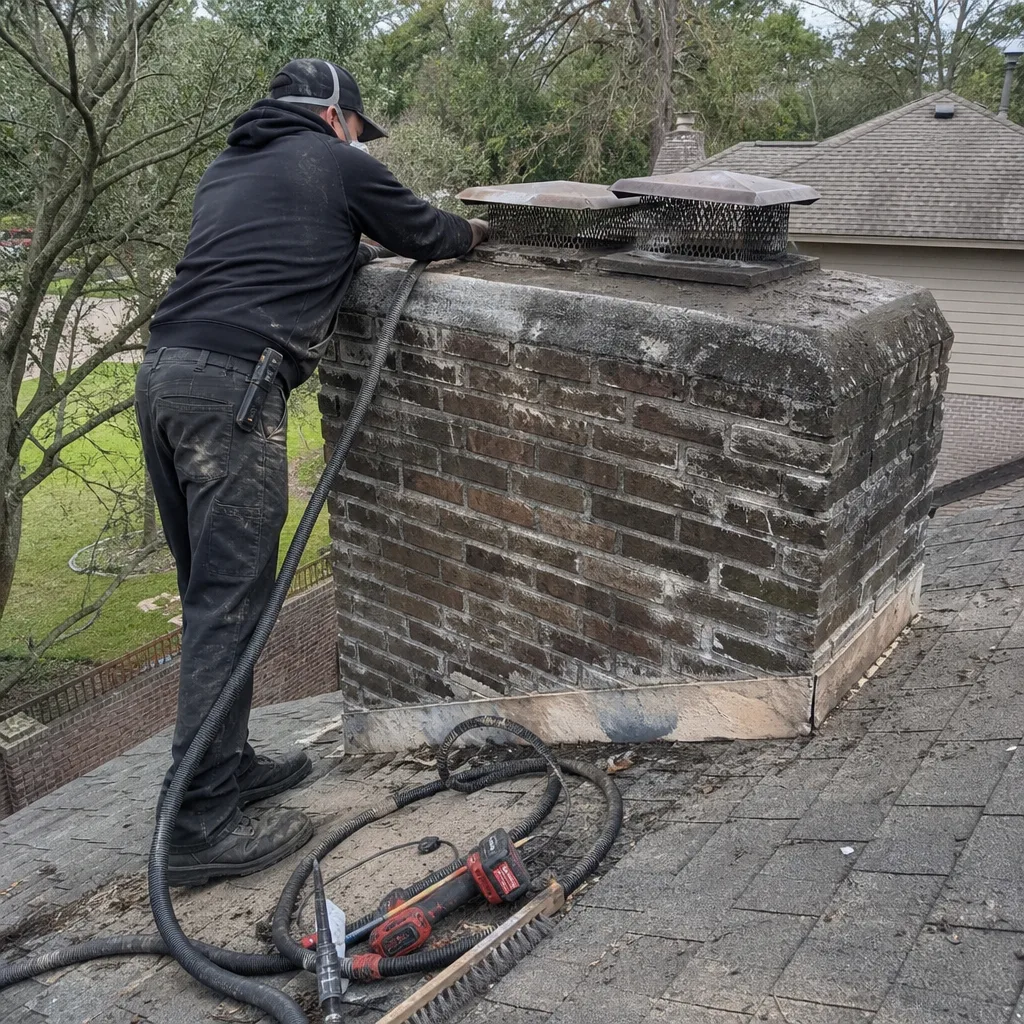 Before
 After
After