
Last updated October 15, 2026
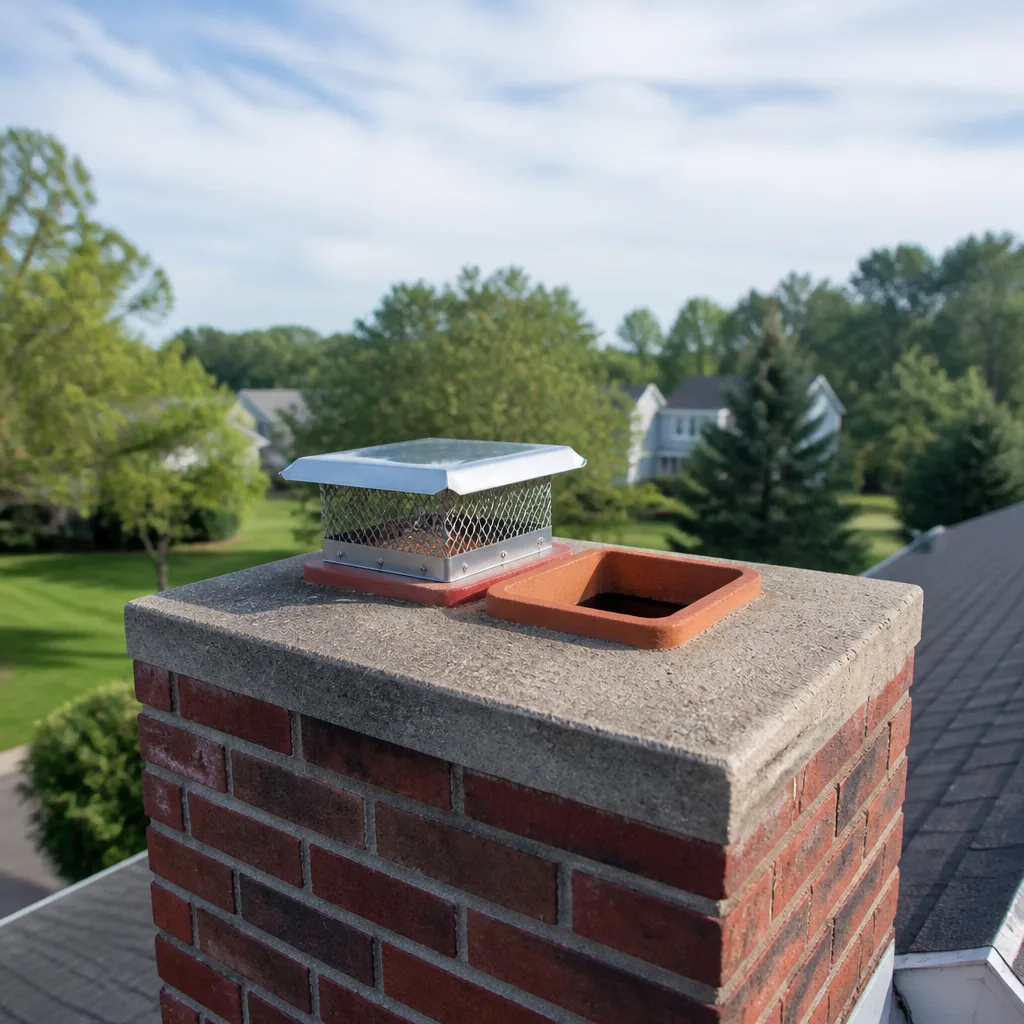 Sweep & inspection
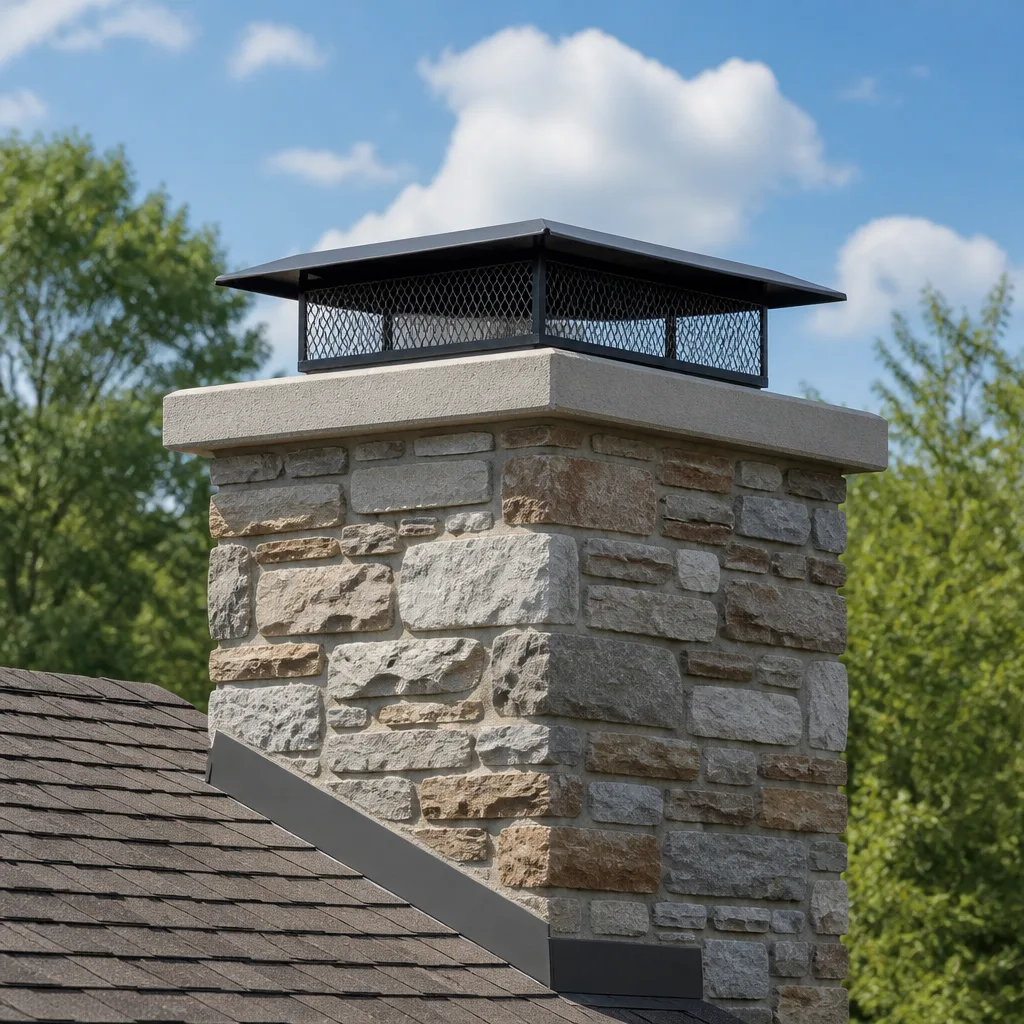 Caps & crowns
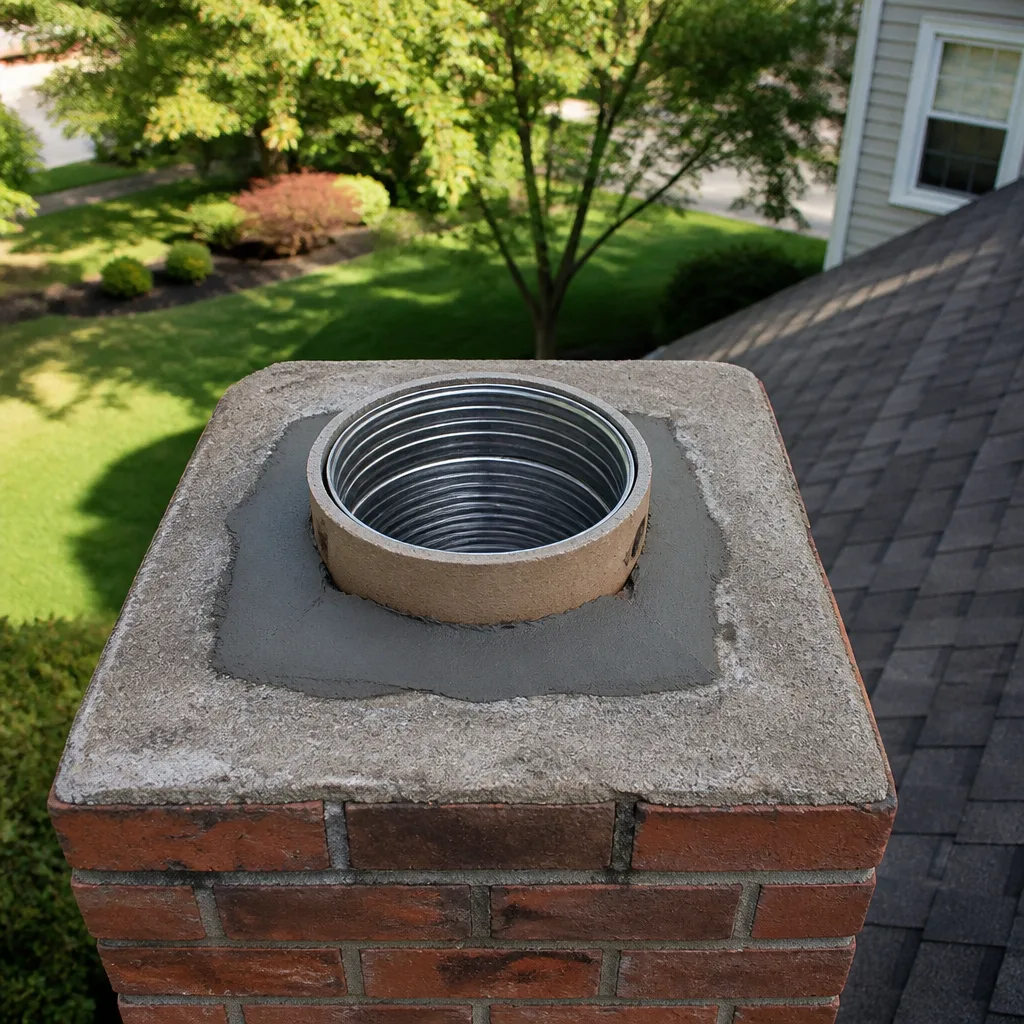 Flue relining
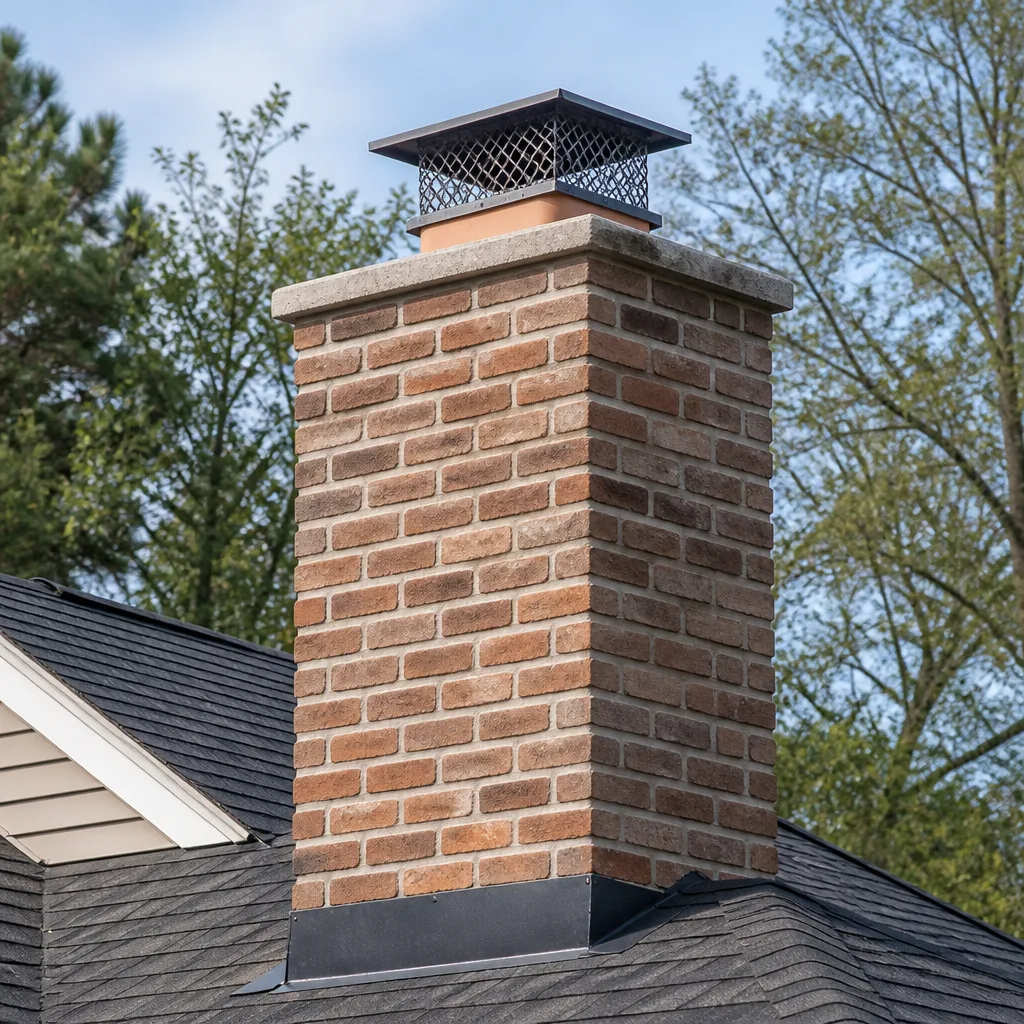 Masonry repair
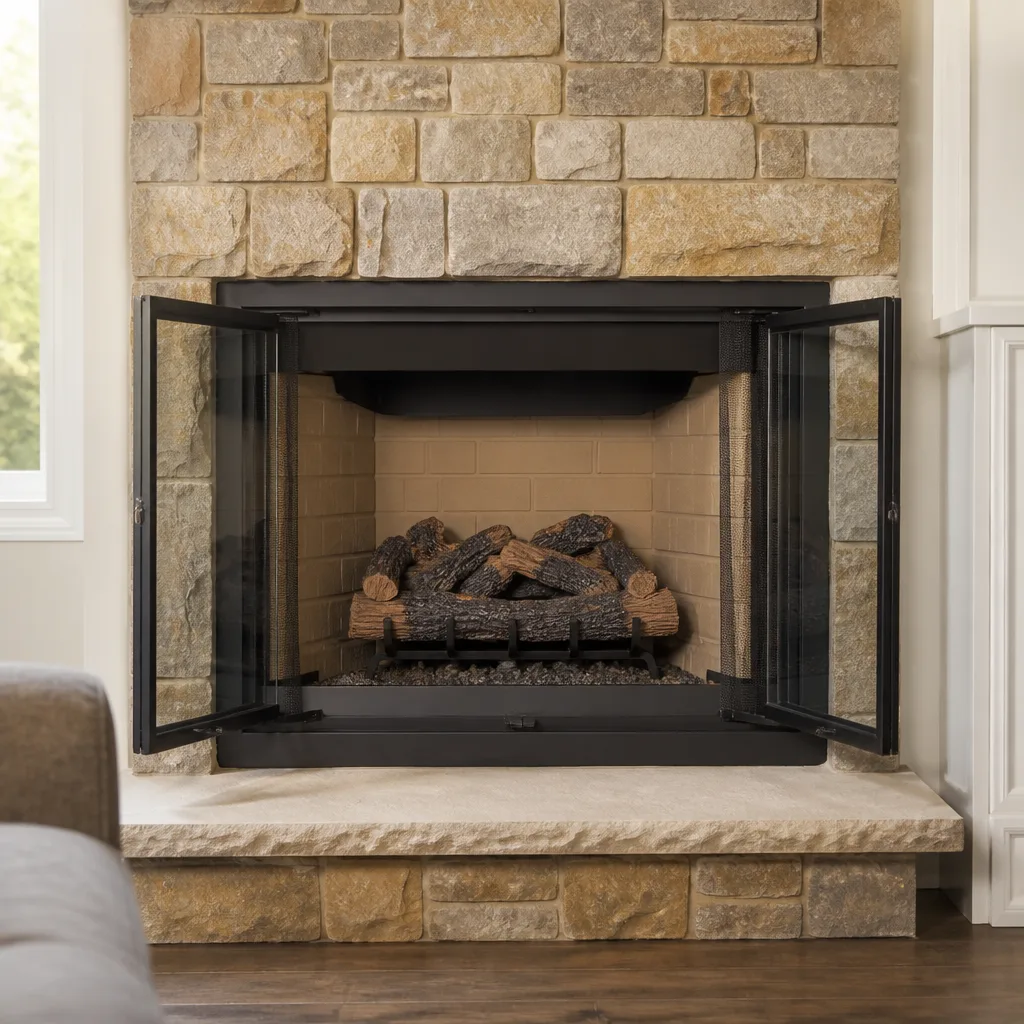 Gas fireplace service
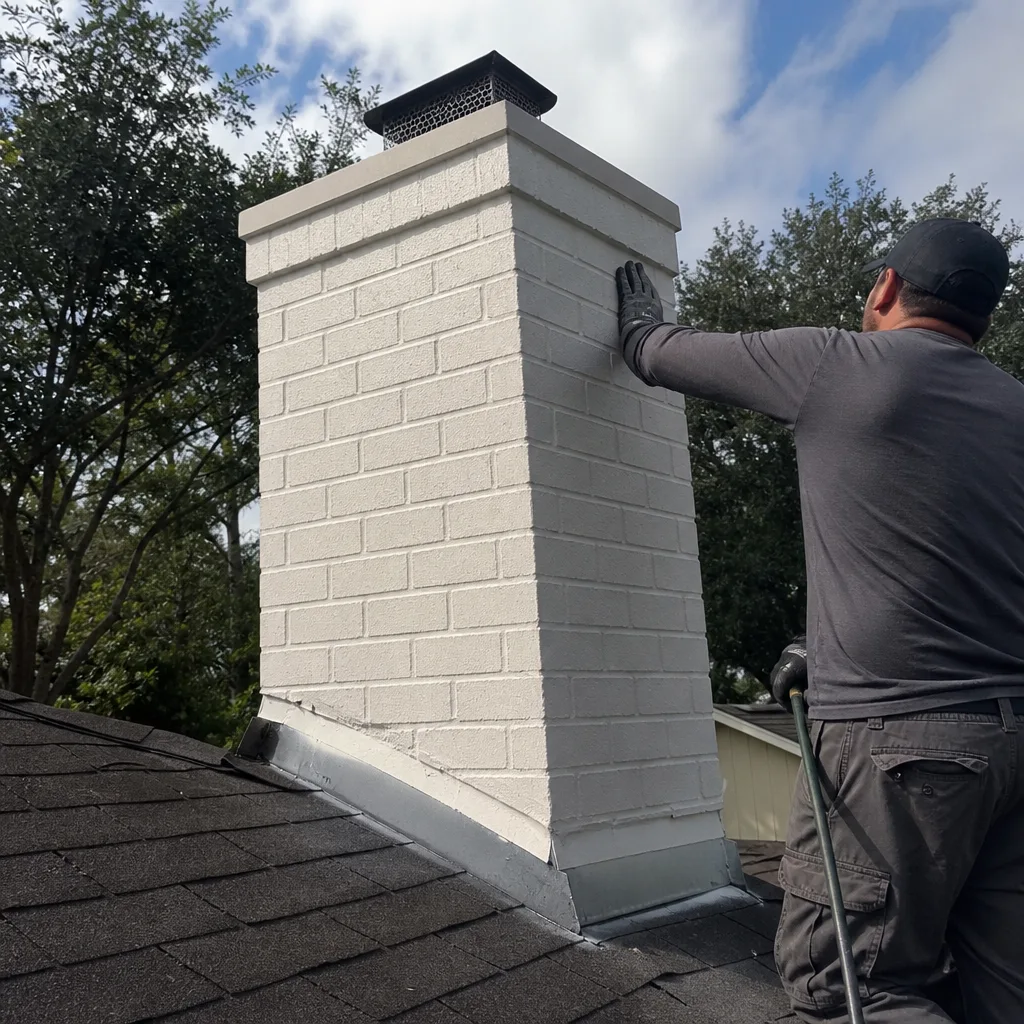
Level 1 sweep and inspection to the NFPA 211 annual standard - flue, crown, cap, and flashing checked and photographed
Chimney sweep logs do not sweep chimneys. They loosen some creosote - which then falls where a brush and vacuum still have to collect it.
The Complete Guide to Chimney Cleaning in Houston
Most chimney fires in Houston aren’t caused by heavy winter use. They’re caused by chimneys that sat idle for eight months while humidity and nesting animals did quiet damage nobody inspected. Houston’s combination of Gulf Coast moisture, mild winters, and long stretches of disuse creates a set of chimney problems that national guides barely mention. This guide explains what chimney cleaning in Houston actually involves, what it should cost, how Houston’s climate changes the equation, and what a written commitment from a contractor should look like before you let anyone near your flue.
Styles & brands we work with
Quick Answer
Chimney cleaning in Houston typically costs $189 to $349 for a standard sweep, depending on flue type, accessibility, and how much creosote or debris has accumulated. A professional sweep includes removing creosote and soot from the flue liner, smoke chamber, damper, and firebox, followed by a visual inspection of accessible components. In Houston’s humid climate, an annual sweep plus a Level 1 inspection is the minimum responsible schedule for any actively used fireplace, gas or wood.
Table of Contents
- Why Houston’s Climate Makes Chimney Cleaning Different
- What a Chimney Cleaning Actually Involves
- How Much Does Chimney Cleaning Cost in Houston?
- Wood-Burning vs. Gas Fireplaces: Both Need Cleaning
- Level 1, Level 2, and Level 3 Inspections Explained
- What a Written Scope of Work Should Include
- Red Flags in Chimney Company Estimates
- Common Mistakes to Avoid
- When to Call a Professional
- Frequently Asked Questions
- The Bottom Line
Why Houston’s Climate Makes Chimney Cleaning Different
National chimney guides assume the threat is heavy winter burn cycles. That’s a northern problem. Houston burns wood for maybe six to ten weeks a year, usually between late November and early February, and many homes go years without a single fire. The danger here isn’t overuse. It’s what happens during the long idle stretch.
Houston averages over 70% relative humidity for most of the year, and Gulf Coast air carries salt and moisture that penetrates brick, mortar, and flue liners. When creosote sits inside a flue through a Houston summer, it absorbs that moisture. Wet creosote degrades differently than dry creosote. It becomes sticky, corrosive, and more likely to accelerate flue liner damage. The moisture also works on the mortar joints between flue tiles. We see spalling brick and deteriorating mortar in Houston chimneys that have barely been used, simply because the structure absorbed humid air month after month.
Then there’s the animal issue. Houston’s warm climate means squirrels, raccoons, chimney swifts, and feral cats are active year-round. An uncapped chimney in Houston is an open invitation. We regularly pull nests out of chimneys in neighborhoods like West University, Meyerland, and Spring Branch that haven’t had a fire in years. Birds don’t wait for winter. Chimney swifts in particular are protected by federal law during nesting season, which runs roughly March through September in Texas, and removing an active swift nest requires a specific legal process. A Houston homeowner who lights a fire without checking for nests can face smoke backdrafting into the house, a chimney fire from dried nesting material, or a violation of the Migratory Bird Treaty Act.
The short version: in Houston, the reason to clean isn’t necessarily heavy creosote from burning. It’s the moisture and wildlife that accumulate when the chimney sits unused for most of the year. The Flint Chimney Co Houston home page covers our full service area, but the climate factors above apply to every chimney in Harris County and the surrounding counties.
What a Chimney Cleaning Actually Involves
A professional chimney cleaning in Houston is not just running a brush up the flue. Done right, it’s a systematic process that removes deposits from every surface that comes into contact with smoke or exhaust, then verifies the chimney is safe for use. Here’s what the work should include, step by step.
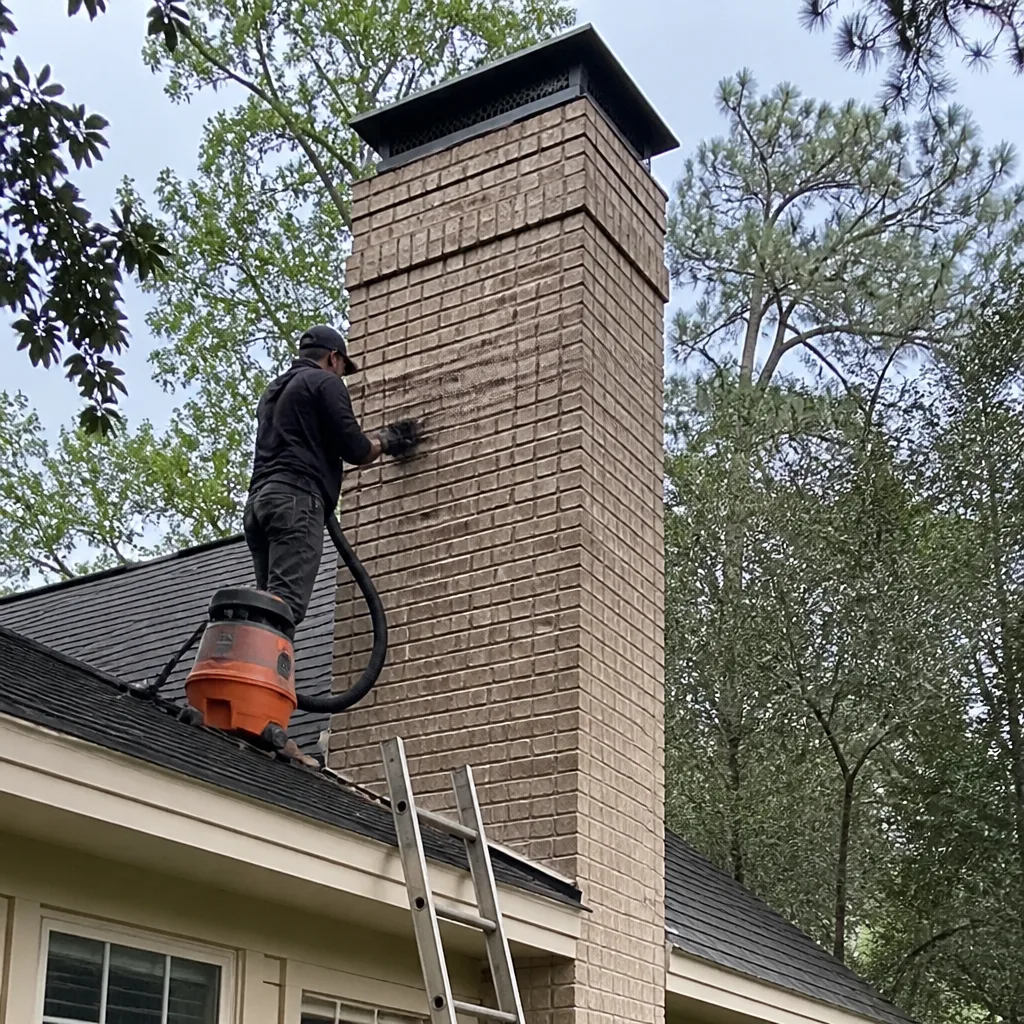
- Site preparation. The technician lays drop cloths around the fireplace, covers nearby furniture, and positions a high-powered vacuum with a HEPA filter to capture dust. The vacuum runs during the entire sweep, not just at the end.
- Flue brushing. Using a brush sized to the flue’s exact diameter, the tech scrubs the full length of the flue liner, from the firebox to the chimney crown. This removes creosote, soot, and any loose material.
- Smoke chamber cleaning. The smoke chamber is the tapered area above the damper that funnels smoke into the flue. Builders often leave corbeled brick ledges in smoke chambers, and those ledges trap creosote and soot. In Houston, they also trap humidity-driven dust and spider webs. A thorough sweep includes cleaning this area.
- Damper inspection and cleaning. The damper is checked for operation, rust, and seal quality. Houston humidity causes damper rust faster than dryer climates, and a rusted damper can stick open or closed. Cleaning removes soot and checks function.
- Firebox cleaning. The firebox floor and walls are swept, loose ash and debris removed, and the brick checked for cracks or gaps.
- Visual inspection of accessible components. After cleaning, the tech should look at the flue liner, chimney cap, crown, and exterior brick. This is not a substitute for a formal inspection, but a visual check catches obvious issues like missing caps or visible liner cracks.
- Final vacuum and report. The work area is cleaned, and the tech should tell you what they found, what they did, and whether anything needs follow-up. If the company provides photo documentation, you should receive it.
What a standard sweep does not include: removing animals, repairing liners, rebuilding crowns, or tuckpointing. Those are separate services. A legitimate company will tell you that plainly and put the scope of the cleaning in writing. Our Chimney Sweep in Houston page explains our specific process, but the steps above are what any competent sweep in the Houston market should follow.
How Much Does Chimney Cleaning Cost in Houston?
Chimney cleaning in Houston runs $189 to $349 for a standard wood-burning fireplace with an accessible flue. Gas fireplace flue cleaning runs $149 to $249. If the chimney hasn’t been cleaned in many years or has heavy creosote buildup, expect the price to move toward the top of the range or slightly above. If animals need to be removed or major repairs are discovered, those are quoted separately.
Here’s a breakdown of what drives cost in the Houston market:
- Flue type and size. A standard terracotta-lined flue is straightforward. Prefabricated or factory-built chimney systems cost less to clean because the flue is smaller and easier to access. Large masonry flues with multiple offsets cost more.
- Access difficulty. Houston homes range from single-story ranch houses to two-story builds with steep roof pitches. A chimney that requires a taller ladder or roof anchor points adds labor time.
- Creosote condition. The form creosote has taken matters. Light soot brushes out quickly. Stage 2 creosote, the flaky black material that sticks to the flue wall, takes longer. Stage 3, the glossy tar-like glaze, can require chemical treatment or rotary cleaning tools, and some companies charge extra for that.
- Animal nests or blockages. Nests in the flue or on the smoke shelf take extra time to remove. If chimney swifts are present during nesting season, the cleaning may need to be scheduled for after the birds leave, per federal law.
- Years since last cleaning. A well-maintained chimney that was swept last year costs at the low end. A flue that hasn’t been touched in a decade takes significantly more labor.
You should be able to get a dedicated, written price before work begins without any obligation. The price should be the price. Companies that quote a low “from” number and then add fees on the truck are a known problem in the Houston market, and we’ve heard too many stories of homeowners quoted $79 who ended up with $600 invoices for “necessary add-ons.” The written price should match the invoice. Every time. No exceptions. That’s how we operate at Flint Chimney Co Houston, and it’s part of what we call The Garrison Standard, the shared operating code across all Garrison Partners locations.
Wood-Burning vs. Gas Fireplaces: Both Need Cleaning
There’s a persistent assumption in Houston that gas fireplaces don’t need cleaning. It’s wrong, and it’s a mistake we correct regularly. Gas fireplaces produce no creosote, that’s true, but they produce plenty of things that block flues and reduce safety.
Gas combustion releases water vapor. In fact, most of what comes out of a gas fireplace flue is warm, moist air. In Houston’s already humid atmosphere, that moisture condenses inside the flue, especially during the short Houston winter when the temperature difference between flue interior and exterior is high. That moisture combines with dust, spider webs, and mineral scale to form a residue that narrows the flue opening over time.
Gas logs also attract spiders. This is a known issue in the Texas Gulf Coast region. Spiders build webs inside gas burner tubes and around the pilot assembly, and those webs block gas flow, causing the burner to light unevenly or not at all. A gas fireplace that has sat all spring and summer in Houston will almost certainly have spider activity by the time November rolls around.
More importantly, a gas flue that is blocked by debris, a bird nest, or a fallen flue tile is a carbon monoxide hazard. Gas fireplaces are supposed to vent combustion gases up and out. If the flue is blocked, those gases find their way into the living space. Carbon monoxide is odorless and colorless, and Houston homes often keep windows closed and AC running, which means less natural air exchange than northern homes that crack windows in winter.
The rule is straightforward: gas fireplace flues in Houston should be inspected and cleaned annually, just like wood-burning flues. The Chimney Inspection in Houston page walks through what an inspection on a gas flue covers, but the principle is the same. Gas means less creosote, but it does not mean zero maintenance.
Level 1, Level 2, and Level 3 Inspections Explained
The Chimney Safety Institute of America, the CSIA, defines three inspection levels. Understanding the difference matters because some Houston chimney companies blur the lines between them, charging inspection prices for what amounts to a glance. Here’s what each level means in plain words.
Level 1 inspection. This is the annual, routine inspection that should accompany every chimney cleaning. The tech examines the readily accessible portions of the chimney: the firebox, damper, smoke chamber, flue interior from below or above, and the exterior chimney condition from the ground. No special tools are used, nothing is dismantled. A Level 1 confirms the chimney is clear of obstruction and safe for continued use under the same conditions.
Level 2 inspection. This is required when the chimney has undergone a change: a change of fuel type, a change to the flue liner, a new appliance, a structural event like a fire or earthquake, or a sale of the home. A Level 2 inspection includes everything in Level 1, plus the use of a camera system to examine the internal flue surfaces, and inspection of the attic, crawlspace, and other accessible areas around the chimney. In Houston, real estate transactions are the most common trigger for Level 2 inspections. Buyers in Keller Williams and other busy Houston markets are increasingly requesting them as part of the purchase process.
Level 3 inspection. This is the most invasive. A Level 3 inspection is warranted when a Level 1 or Level 2 reveals a hidden hazard or a suspected issue that requires destructive access to diagnose. It can involve removing parts of the chimney or building structure to examine hidden areas. Level 3 inspections are rare in regular maintenance, and they should be performed by a company with documented experience.
For a typical Houston homeowner who uses their fireplace regularly, a Level 1 inspection at the time of each sweep is the right baseline. If you’re buying or selling a home, have a Level 2. If a severe chimney fire has occurred or a serious liner problem is suspected, that’s when Level 3 becomes relevant.
What a Written Scope of Work Should Include
Before any contractor starts a chimney job in Houston, you should have a document in hand that tells you exactly what’s happening and what it costs. If a company won’t put it in writing, that’s your sign to find a different company.
A legitimate written scope of work for chimney cleaning should include at minimum:
- Exact services to be performed. Flue brushing, smoke chamber cleaning, damper check, firebox cleaning, cap inspection, or whatever is agreed to. Vague language like “chimney service” is not a scope.
- Method of cleaning. Hand brushing, rotary cleaning, chemical treatment, or a combination. You should know what you’re paying for.
- Fixed price. A dollar amount that will not change unless you approve a change order in writing. The number on the quote should match the number on the invoice.
- Warranty or guarantee terms. What is covered, for how long, and what happens if the work fails. We provide a written guarantee on every repair, valid for one full year from the service date, and if a covered repair fails within that period, we return at no charge. We call it the 365-Day Done Right Promise. Whatever a company calls theirs, it should be in writing.
- Start and completion expectations. Not exact minute-by-minute timing, but an expected start window and job duration.
- Exclusions. What is not included. Animal removal, masonry repair, liner replacement, and cap replacement should be listed as excluded unless specifically included.
A written scope protects both sides. It means you can’t be told a cleaning “doesn’t include” something after the fact, and it means the contractor knows exactly what they committed to. Anything less is guesswork, and guesswork is how Houston homeowners end up with surprising invoices.
Red Flags in Chimney Company Estimates
The Houston chimney market includes some companies that operate on volume and confusion. They rely on homeowners not knowing what to look for, then pad invoices with add-ons after the work starts. Here are the patterns to watch for, based on what we’ve seen in Houston estimates from other companies that homeowners have shown us.
- “Additional charges may apply” language. This is a blank check for the contractor. If the quote doesn’t state the specific conditions that would trigger additional charges, assume they’ll be triggered.
- Vague line items. “Clean chimney,” “service fireplace,” or “maintenance visit” tells you nothing. An estimate should list exactly what’s included.
- No written guarantee. A company that can’t put its guarantee in writing doesn’t have one. Repairs without warranty language in the estimate are repairs you’re gambling on.
- Pressure to book immediately. Chimney cleaning is not an emergency for most Houston homes. A reputable company should be able to quote you a price and let you think about it. Scarcity tactics in chimney estimates are a warning sign.
- Unusually low teaser prices. $49 or $79 chimney cleaning advertised in Houston is a loss leader designed to get a tech in the door, not an honest quote. There’s no way to send a tech, run a vacuum, clean a flue properly, and make any money at $49. The math doesn’t work. Which means the company expects to make it up once they’re inside your house.
- Inability or refusal to name the products they use. If a company recommends repairs or relining and can’t tell you what brand of liner or repair material they’re installing, walk away. Professional companies use professional products. At Flint Chimney Co Houston, we specify materials by job, including professional-grade systems from HeatShield, Olympia Chimney, and Famco, so you can verify exactly what’s being installed.
None of these red flags exist in isolation. They tend to travel together. If you see two or more, thank the company for the estimate and keep looking.
Common Mistakes to Avoid
1. Assuming a little-used chimney doesn’t need cleaning. Houston’s disuse problem is exactly why cleaning matters. Creosote absorbs moisture, mortar degrades, and animals move in. The chimney that never gets used is often in worse shape than the one that gets checked every year.
2. Skipping the inspection because the sweep “looked fine.” A clean chimney isn’t the same as a safe chimney. Flue liner cracks, damaged mortar joints, and hidden blockages don’t show up during a routine brushing. The inspection is the part that catches what cleaning can’t.
3. Burning the wrong wood. Houston has a lot of post-oak and pecan wood available, and unseasoned wood is commonly sold at gas stations and roadside stands. Burning wet wood produces cool, smoky fires that deposit creosote rapidly, even in Houston’s short burn season. Burn seasoned hardwood, or don’t be surprised when the flue glazes over.
4. Ignoring gas fireplace maintenance. The assumption that gas means zero maintenance is the most common mistake we see in Houston homes with gas fireplaces. Spiders, moisture, and carbon monoxide don’t care that you’re burning gas.
5. Hiring the cheapest sweep without checking what’s included. A $79 cleaning that doesn’t include smoke chamber access, damper inspection, or a written scope isn’t actually a cheaper cleaning. It’s a partial job.
6. Not asking for proof of the condition before approving repairs. If a tech tells you a liner needs replacing, you should see the camera footage. We provide photo documentation of every condition we recommend repairing, because the recommendation should be built on evidence you can verify. A company that expects you to approve a $3,000 repair based on “trust me” is asking for too much.
7. Waiting until November to schedule. Houston chimney companies are busiest from late October through December. Schedule a mid-summer or early-fall sweep and you’ll have no problem getting a convenient appointment. Wait until the first cold front and you’re competing with thousands of other Houston homeowners.
When to Call a Professional
Some chimney work can be done by a careful homeowner, but flue cleaning and inspection should be left to a professional with the right equipment. Call a professional if you notice any of the following: a smoky smell in the house when the fireplace isn’t in use, visible black staining on the exterior chimney or around the firebox, debris falling into the firebox, evidence of animal activity such as scratching sounds or droppings, a damper that won’t open or close, water stains on the ceiling near the chimney, or if it has been more than a year since the last cleaning. None of these are problems that fix themselves.
Flint Chimney Co Houston offers free estimates in Houston, and every job carries a written price before work begins according to The Garrison Standard. Call (325) 750-6259 to schedule.
Frequently Asked Questions
A chimney in Houston should be cleaned at least once per year, regardless of how often you use it, because humidity, animals, and debris accumulation don’t pause for low burn frequency. If you burn more than two cords of wood in a season, or if you notice visible creosote or a smoky smell, clean it twice. If you haven’t used the chimney in three or more years, get it inspected before using it at all. Call (325) 750-6259 to schedule a Houston chimney cleaning with a written price.
Yes, gas fireplace flues need annual cleaning and inspection in Houston because gas combustion creates moisture that condenses in the flue, and Houston’s humidity compounds the problem, while spiders nest in gas burner assemblies and block gas flow. A blocked gas flue is a carbon monoxide risk, which has no odor and no visible warning. If your gas fireplace hasn’t been checked in the last year, call (325) 750-6259 for a Houston gas flue inspection.
Chimney cleaning in Houston costs $189 to $349 for a standard wood-burning fireplace and $149 to $249 for a gas flue, with higher prices for heavy creosote, difficult roof access, or animal removal. At Flint Chimney Co Houston, you’ll get a written price before any work starts, so the invoice number matches the number you approved. Call (325) 750-6259 for a free Houston estimate.
A sweep removes soot, creosote, and debris from the flue and related components, while an inspection evaluates the condition and safety of the entire system, including the liner, crown, damper, and structure. The two are complementary, and we recommend both at least once a year in Houston. Call (325) 750-6259 to ask about scheduling both together.
Not always, and a liner replacement recommendation should always be backed by camera evidence you can see with your own eyes, because liners are a significant investment and the difference between “recommended” and “required” is material in Houston’s varied housing stock. We show every customer the camera footage before recommending any repair and use professional-grade materials from HeatShield, Olympia Chimney, and Famco when replacement is genuinely needed. Call (325) 750-6259 for a Houston chimney evaluation you can verify.
At Flint Chimney Co Houston, every repair carries a written guarantee valid for one full year from the service date, and if a covered repair fails within that period, we return at no charge to correct it under the 365-Day Done Right Promise. Before you hire any Houston chimney company, consult our How to Hire a Chimney Cleaning Contractor in Houston: A Step-by-Step Guide, ask what happens if the work fails, and get the answer in writing. Call (325) 750-6259 for repairs that carry a real guarantee.
The Bottom Line
Chimney cleaning in Houston is not a luxury add-on to your home maintenance. It’s the difference between a fireplace that works when the rare cold front hits and a flue that’s been quietly degrading through eight months of Gulf Coast humidity. The job should cost between $189 and $349, include a real cleaning of every surface that touches smoke, and come with a written scope and a written price before the first tool leaves the truck. Gas or wood, used or idle, every Houston chimney deserves an annual look. If you want a sweeping and inspection from a company that puts the price, scope, and guarantee in writing, call Flint Chimney Co Houston at (325) 750-6259.
Written by Hank Delano, Owner at Flint Chimney Co Houston, serving Houston since 2002. Browse more guides & resources.
See the difference
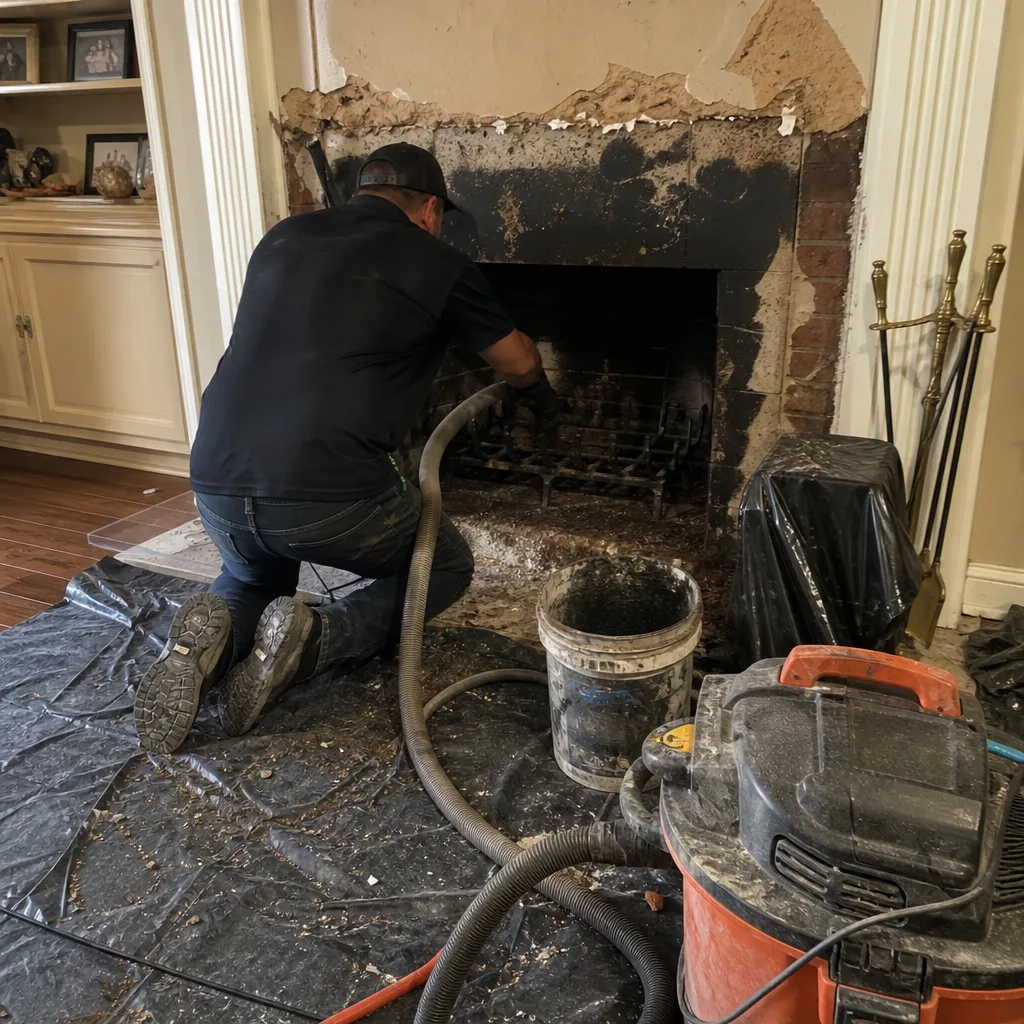 Before
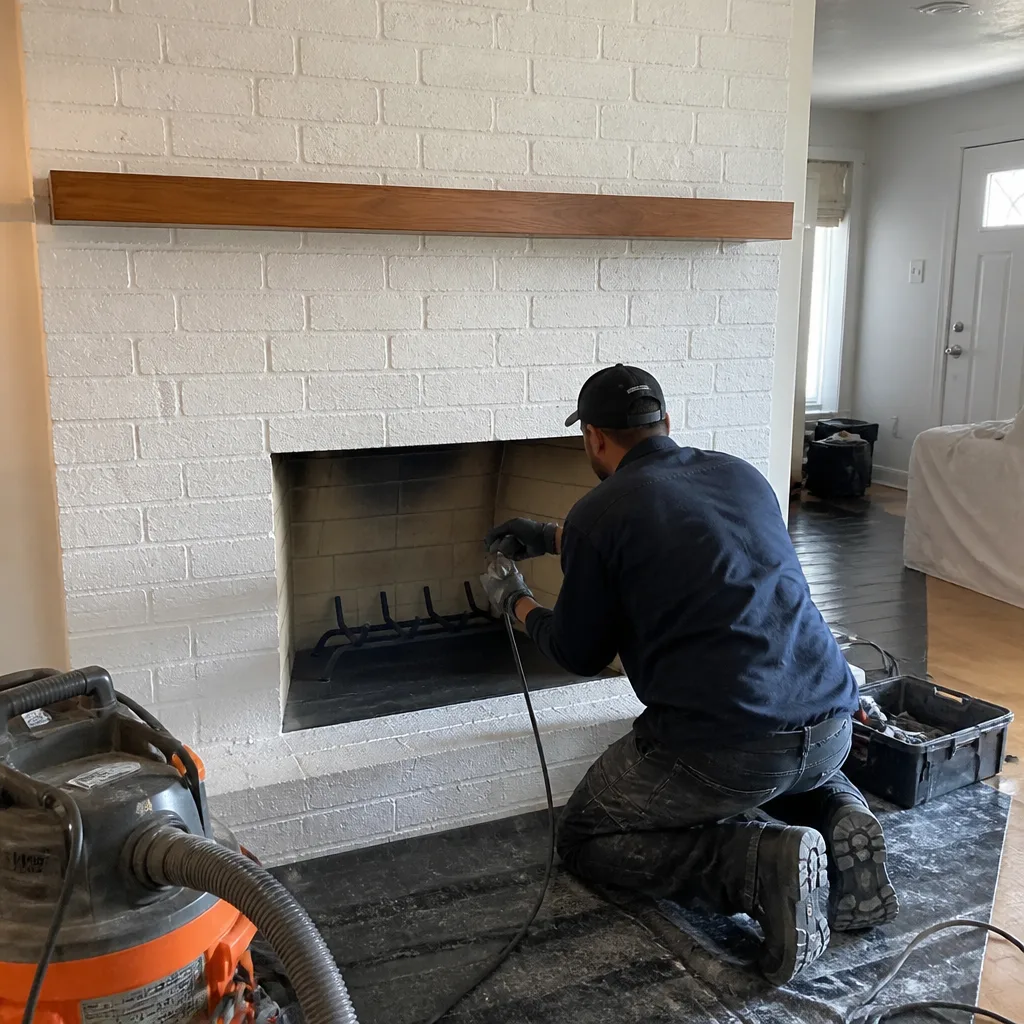 After
After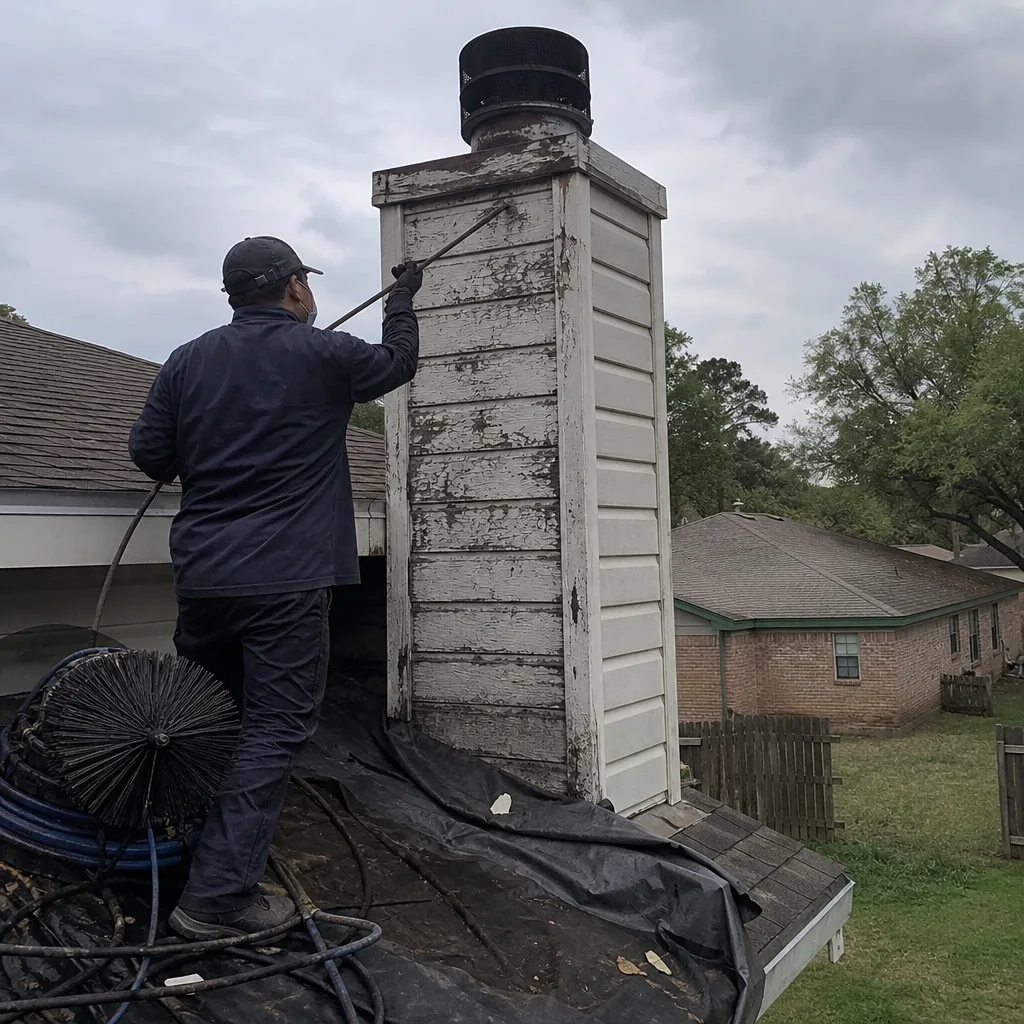 Before
 After
After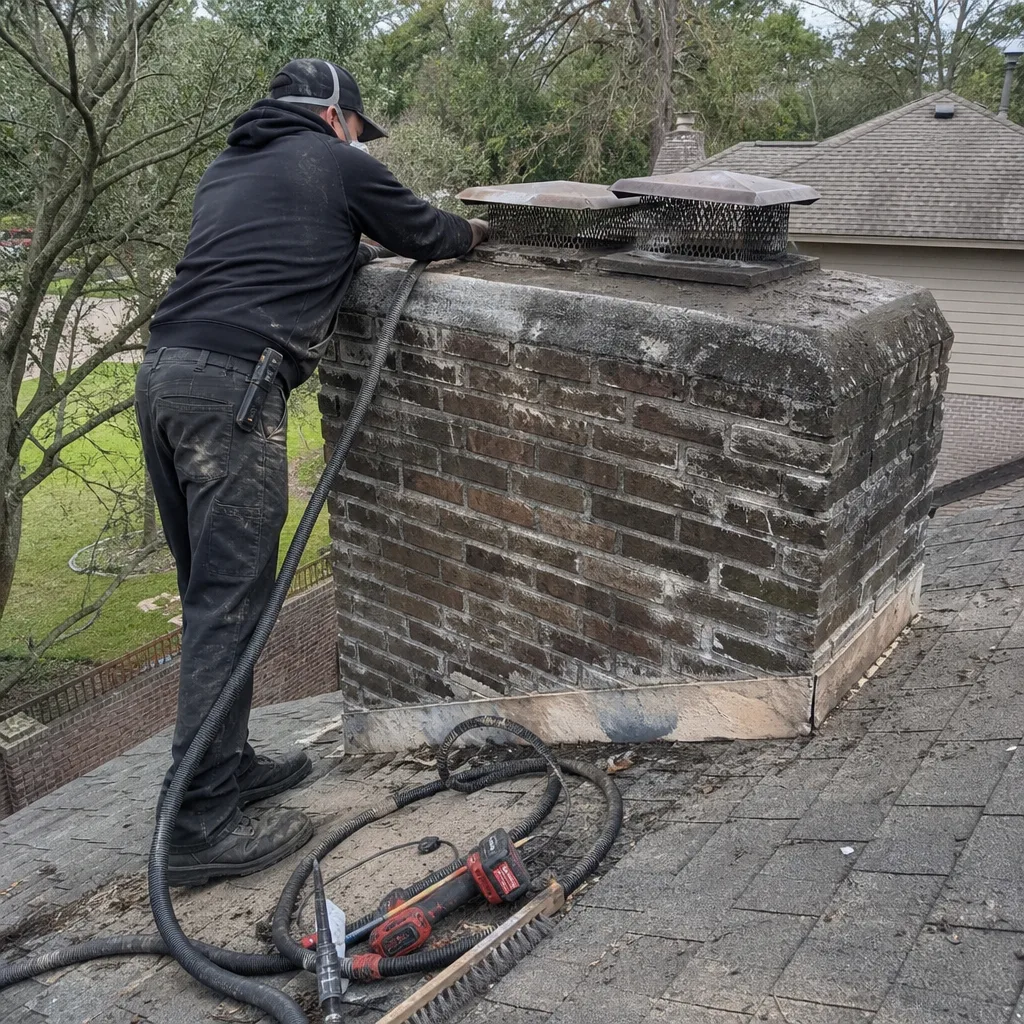 Before
 After
After