
Last updated October 15, 2026
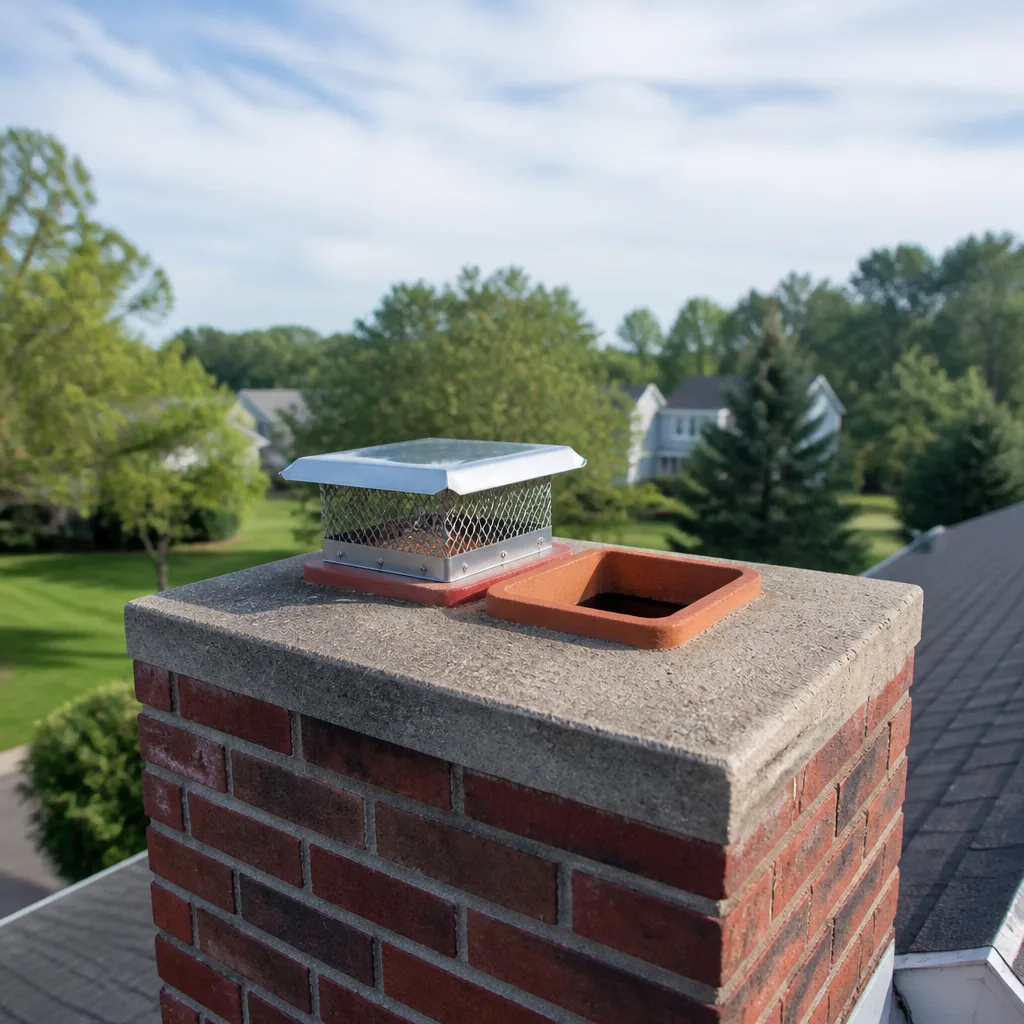 Sweep & inspection
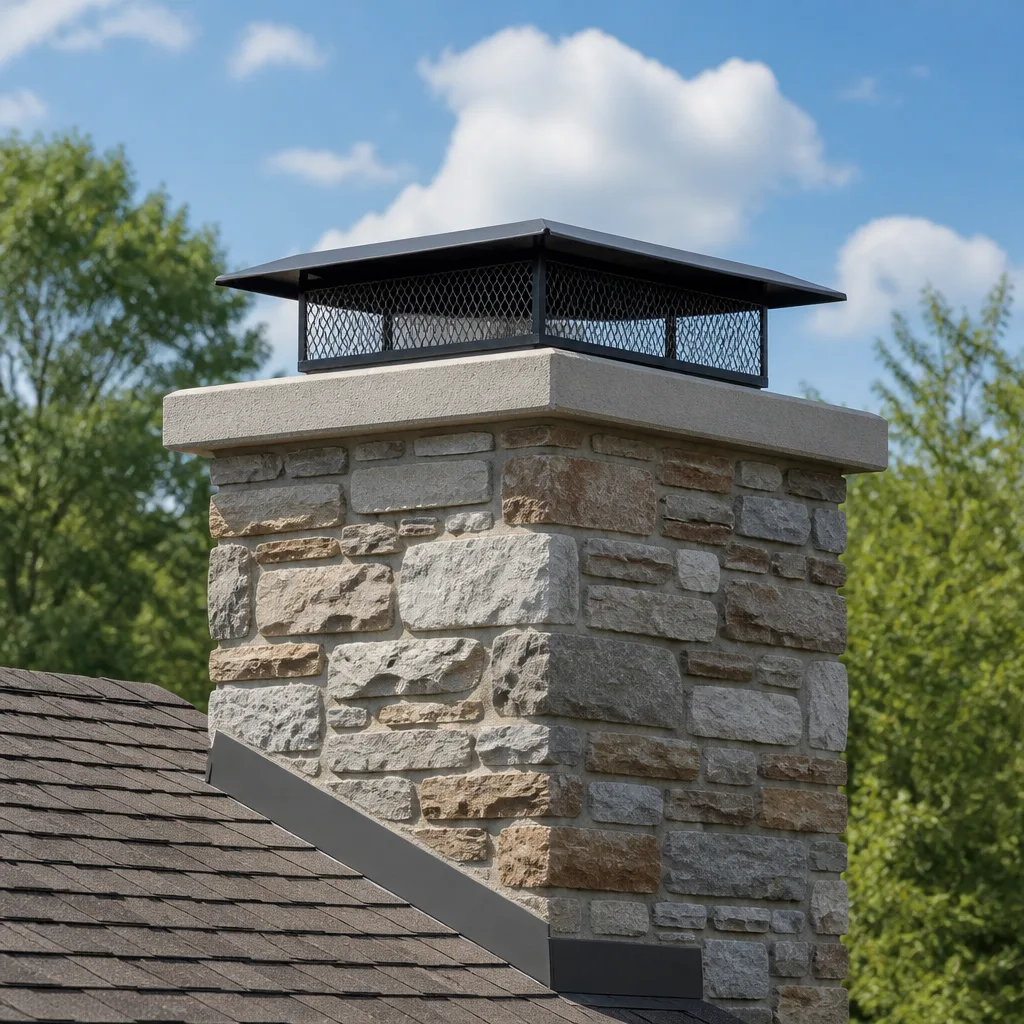 Caps & crowns
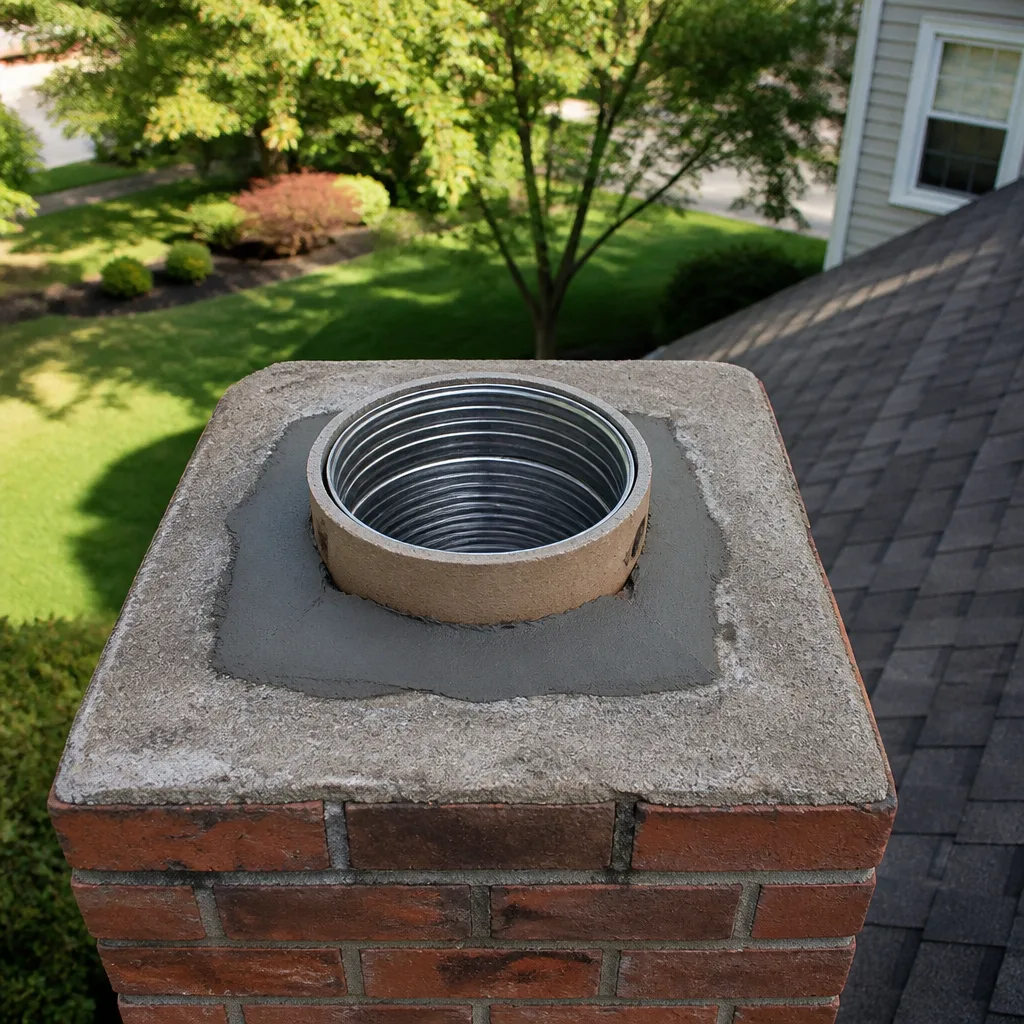 Flue relining
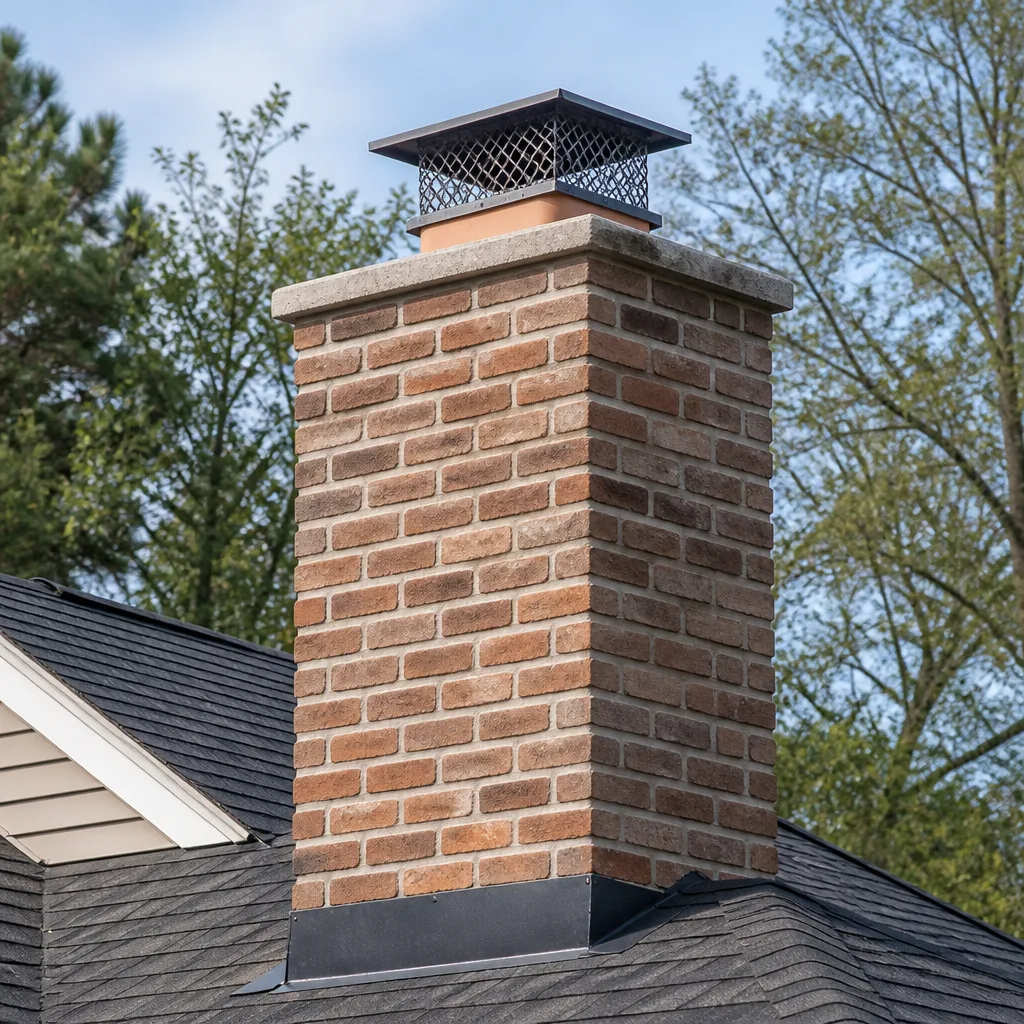 Masonry repair
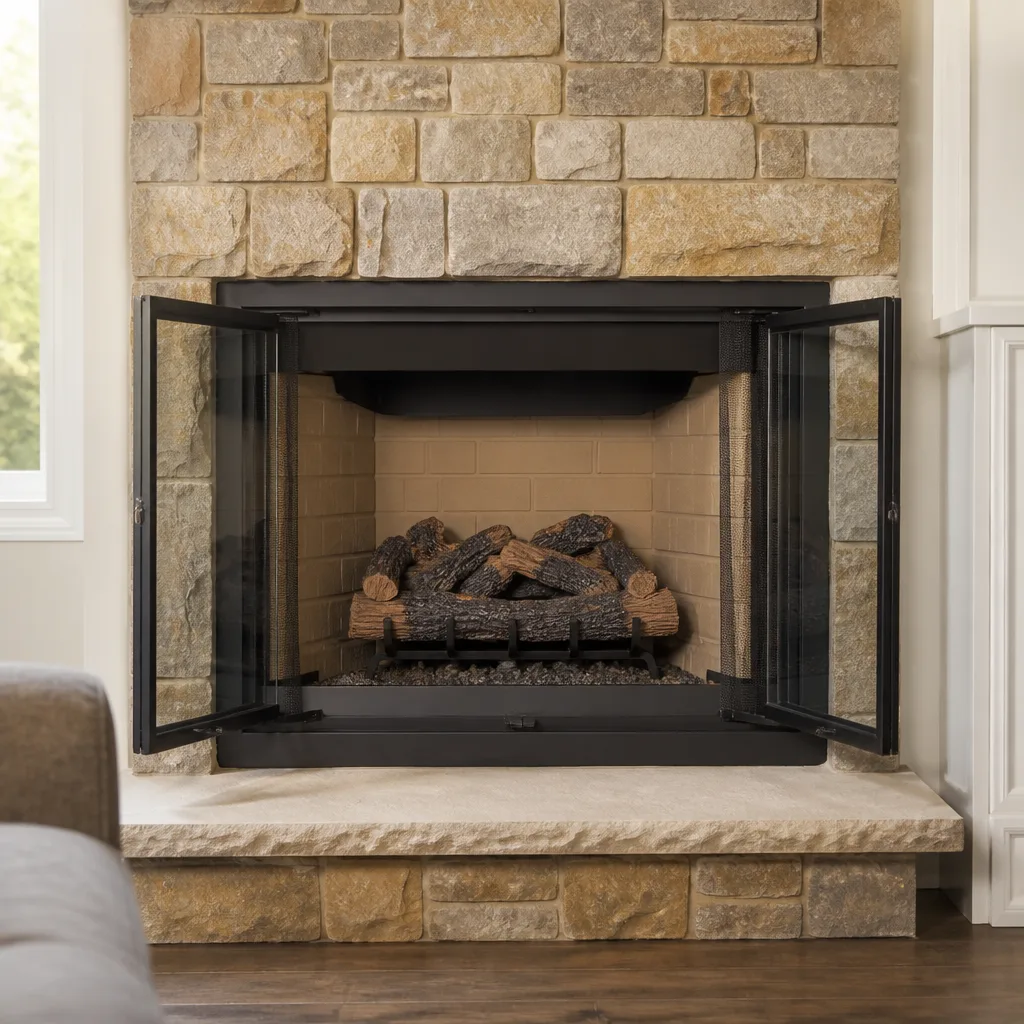 Gas fireplace service
Level 1 sweep and inspection to the NFPA 211 annual standard - flue, crown, cap, and flashing checked and photographed
Chimney sweep logs do not sweep chimneys. They loosen some creosote - which then falls where a brush and vacuum still have to collect it.
How to Hire a Chimney Cleaning Contractor in Houston: A Step-by-Step Guide
Texas has no state license requirement for chimney sweeps. Read that again. The guy quoting you $79 and the certified professional quoting $299 are legally operating on the same credential: none. Houston’s humid, salt-tinged air accelerates flue deterioration in ways most national guides never mention, and the city’s mix of 1970s gas fireplaces, wood-burning masonry chimneys, and newer prefab units means there is no single “standard” chimney here. By the end of this guide, you’ll know exactly which documents to demand, which certifications actually mean something, and which answers should end a phone call immediately. For more guides & resources on chimney care, see our blog.
Styles & brands we work with
Quick Answer
To hire a chimney cleaning contractor in Houston, you need to verify three things before anyone climbs a ladder: independent certification (CSIA or NFI, checked against their public databases), written proof of liability insurance naming you as additionally insured, and a line-item written estimate that specifies scope, materials, and warranty terms. Any company unwilling to provide all three in writing before work starts should be disqualified on the spot. Expect a standard sweep in Houston to run $189 – $349, and expect a camera inspection to add $99 – $199.
Table of Contents
- Why Verification Falls Entirely on You in Houston
- Step 1: Verify Certification Independently
- Step 2: Request Four Documents Before Work Starts
- Step 3: Read the Estimate Line by Line
- Step 4: Ask Questions That Reveal Houston-Specific Knowledge
- Step 5: Run the Three-Point Verification Check
- Step 6: Know the Disqualifying Red Flags
- Common Mistakes to Avoid
- When to Call a Professional
- Frequently Asked Questions
- The Bottom Line
Why Verification Falls Entirely on You in Houston
In Texas, the chimney sweep industry operates without a state licensing board. There is no exam, no continuing education requirement, no regulatory body that can revoke a sweep’s right to work. The Texas Department of Licensing and Regulation (TDLR) oversees dozens of trades, but chimney sweeping is not one of them. What this means for a homeowner in Houston is simple: the only vetting that happens is the vetting you do yourself.
This creates a peculiar market. A handyman with a ladder and a Shop-Vac can legally call himself a chimney sweep on Monday and be on your roof by Friday. Meanwhile, companies that have invested in training, background-checked technicians, and professional-grade equipment compete with that handyman on price. This is why Houston residents see such wild swings in quoted prices. It’s not that some companies are gouging. It’s that the floor of the market is occupied by people with no overhead, no training, and no insurance, and nothing in state law stops them.
Houston adds another layer to the vetting problem. The city’s climate, hot and humid for most of the year, with heavy rain events and the occasional freeze, ages chimneys differently than the dry climates most national training materials assume. Masonry absorbs moisture. That moisture expands and contracts with temperature swings. Over time, mortar joints crack, liners spall, and the internal structure of a chimney can degrade in ways that are invisible from the ground. A sweep who learned the trade in Arizona may not recognize the specific failure patterns common to Houston homes.
And then there is the gas question. A significant portion of Houston homes, particularly those built between 1960 and 1990, have gas fireplaces or gas log sets. Gas chimneys have different service requirements than wood-burning chimneys. They need different inspection protocols, different cleaning intervals, and different liner considerations. A contractor who treats every chimney the same is already showing you something important about their depth of knowledge.
All of this is why Flint Chimney Co Houston home is built around a process that puts everything in writing. We’ve worked in Houston long enough to know that the homeowner who asks for documentation is the homeowner who avoids the $2,000 repair bill from the guy who “found” damage no one else can see. The vetting process below is the exact process we’d recommend to our own family members in Houston.
Step 1: Verify Certification Independently
When a Houston chimney company tells you they’re “certified,” your first question should be: certified by whom? The answer tells you nearly everything you need to know. There are three possible answers, and two of them should make you cautious.
CSIA Certification (Chimney Safety Institute of America) is the gold standard in the chimney industry. CSIA-certified sweeps have passed a written exam, completed documented field experience, and agreed to a code of ethics. The critical thing to know: CSIA has a public lookup tool on their website. You can type in a company name or an individual’s name and see their certification status, including whether it’s current or expired. A company can say “CSIA certified” and have let the certification lapse. The lookup tool tells you the truth. CSIA certification must be renewed every three years with continuing education credits.
NFI Certification (National Fireplace Institute) focuses specifically on the hearth appliance side of the trade: gas fireplaces, wood stoves, inserts, and venting. An NFI-certified technician has demonstrated competence in the specific appliances they service. This matters in Houston because of the prevalence of gas fireplaces. A chimney sweep with CSIA but no NFI may be excellent at cleaning masonry flues but less familiar with the venting requirements of a gas log set installed in 1987. NFI also maintains a public directory.
No credential is the third category, and it’s the most common one in Houston. To be clear: a lack of certification does not automatically mean a contractor is incompetent. Some uncertified sweeps have been doing the work for decades and do solid work. But it does mean you have no independent verification of their competence, and you are relying entirely on their word and their reviews. When the difference between a certified sweep and an uncertified one is often $100 on a $250 job, that $100 buys you something real: a third-party organization that has verified the person knows what they’re doing.
How to verify without being awkward about it: when you call a Houston chimney company, say this: “Do you have CSIA or NFI certification? And what name is it under, so I can look it up?” A legitimate company answers immediately. A company that gets defensive, or says “we don’t need certification,” or claims their certification is “in process,” has just answered the question for you.
Step 2: Request Four Documents Before Work Starts
Here is the list of four documents every Houston homeowner should request before allowing a chimney contractor to begin work. Write these down. Ask for them on the initial call. A company that pushes back on any of them is telling you something useful about how they operate.
- Written estimate with line-item detail. Not a number texted to you. Not a number written on a business card. A real estimate, on a document, that breaks down what they’ll do and what it costs. This protects you from the classic “the price changed once I got on the roof” maneuver that is too common in Houston’s unregulated market.
- Scope of work. This is separate from the estimate. The scope of work describes exactly what services are included: sweep the flue, inspect the firebox, check the damper, examine the chimney cap. If the scope is vague (“full chimney service”), it’s not a scope. It’s a blank check.
- Proof of liability insurance. Ask for a certificate of insurance (COI) that names your address and dates of coverage. A chimney sweep falls off a Houston roof and their medical bills become your problem if they’re not insured. Get the COI emailed to you before the appointment. Verify it by calling the insurance company. It takes five minutes.
- Warranty terms in writing. Every repair should carry a written warranty that specifies what’s covered, for how long, and what happens if the repair fails. “We guarantee our work” is a sentence. A written warranty is a contract. They are not the same thing.
At Flint Chimney Co Houston, we deliver all four of these as standard practice. The written price comes before any work begins, on every job, no exceptions. Our repairs carry a written guarantee valid for one full year, and if a covered repair fails inside that period, we return at no charge. This is how we’ve operated since 2002 as part of the Garrison Partners family of independently owned chimney service companies.
Step 3: Read the Estimate Line by Line
Most Houston homeowners, when handed a chimney estimate, look at the total and nothing else. That’s how the industry gets away with what it gets away with. Every line on a chimney estimate should have a purpose, and if it doesn’t, you should ask what it’s for.
Here is what a legitimate, itemized chimney cleaning estimate in Houston should look like:
- Sweep service charge: typically $189 – $349 in Houston for a standard single-flue chimney with no complications. This includes the actual cleaning of the flue, the smoke chamber, and the firebox.
- Camera inspection (optional but recommended): $99 – $199. A sweep without a camera inspection is like a mechanic who works by sound alone. If a company doesn’t offer camera inspection, or offers it only after “finding” something, be wary.
- Chimney cap replacement (if needed): $150 – $400 including parts and labor. Houston’s rain season means caps matter. If yours is missing or damaged, the estimate should say so specifically.
- Flue relining (if needed): $2,500 – $7,000 depending on liner material and chimney height. Flue relining means replacing the inner liner that channels smoke safely out of the house. This is a major repair and one that should never be recommended without camera evidence you can see yourself.
- Sealing or waterproofing (if applicable): $200 – $600. In Houston’s climate, waterproofing masonry chimneys is a legitimate preventive service. It should be itemized separately, not folded into “miscellaneous.”
Now here is what should make you pause:
- “Chimney service” or “full service” as a line item. This means nothing. Ask for the breakdown. If they can’t provide it, hang up.
- A sweep charge under $100. This is the classic Houston bait-and-switch. The $79 sweep is real, but the “discovered” damage rarely is. A legitimate company with insurance, background-checked technicians, and professional equipment cannot profit at that price.
- Vague damage descriptions. “Your flue is bad” is not a diagnosis. A real diagnosis sounds like: “Your clay tile liner has a vertical crack at the 12-foot mark, visible on this video, which means exhaust gases are escaping into the chimney chase. Here is a photo.” If they can’t show you the problem, they haven’t found it.
- Unexplained “minimum charges” or “fuel surcharges” added at the end. A written estimate is a commitment. If the final bill doesn’t match the approved estimate without your explicit written approval, that’s a problem.
At Flint Chimney Co Houston, our written estimate is a fixed-price document. The number on the invoice is the number you approved. If we find something during the job that requires additional work, we stop, we show you the evidence, and we get your written approval before touching it. This is what we mean by no-hassle upfront pricing.
Step 4: Ask Questions That Reveal Houston-Specific Knowledge
Most chimney contractors in Houston can talk fluently about sweeps and caps. Far fewer can answer these questions with any substance. Ask them on the first call. They’ll tell you more than any review can.
Question 1: “What liner types do you typically see in Houston homes, and how does that affect your approach?”
Houston’s housing stock is a patchwork. Pre-1960 homes often have unlined masonry flues or clay tile liners. Homes built in the 1970s and 1980s commonly have clay tile liners that are now cracking from decades of thermal cycling and Houston humidity. Newer homes, especially in master-planned communities like Cinco Ranch, Kingwood, and Clear Lake, often have stainless steel liners or prefabricated chimney systems. A contractor who knows Houston’s stock should be able to talk about all three confidently. A contractor who says “a liner is a liner” is telling you they don’t understand the problem.
Question 2: “Do you treat gas fireplaces differently from wood-burning fireplaces?”
They should. Gas fireplaces in Houston rarely need the same aggressive mechanical cleaning that a wood-burning flue needs. But they absolutely need their venting inspected for blockages, their logs checked for proper seating, and their pilot assemblies examined. A gas fireplace that hasn’t been serviced in years can develop incomplete combustion, which produces carbon monoxide. The technician should be able to explain this in plain words.
Question 3: “What’s your process if you find damage during the sweep?”
Here is the answer you want to hear: “We stop and show you the video. You see exactly what we see. Then we write up a scope and price for the repair, and you decide. If it can wait, we tell you it can wait.” Here is the answer you should run from: “We’d fix it on the spot, and we’d add it to the bill.” No legitimate chimney contractor in Houston or anywhere else does unauthorized work.
Question 4: “What materials do you use for repairs?”
The answer should include specific brand names. In our work, we use materials from professional-grade chimney trade brands like DuraFlex for stainless steel relining systems, Olympia Chimney for caps and chase covers, Famco for termination caps, and Copperfield for chimney components. A contractor who says “we use industry-standard materials” is telling you they don’t know what they’re using. A contractor who names brands is telling you they know their supply chain.
Step 5: Run the Three-Point Verification Check
Certification, insurance, and reputation: these are your three verification points, and each one is checkable without relying on anything the contractor tells you.
Point 1: CSIA’s Public Lookup Tool. Go to csia.org, navigate to the “Find a Certified Sweep” directory, and search by the company name or the technician’s name. What you’re looking for: current status, not expired. A certification that expired three years ago is not a certification. It’s a legacy. In our experience in Houston, we’ve seen companies advertise CSIA credentials that were surrendered years ago. The lookup tool is unforgiving, which is exactly why you should use it.
Point 2: Insurance Verification. Call the insurance company listed on the certificate of insurance and confirm the policy is active. It’s a five-minute call. Do not skip it. In the Houston market, a company with a canceled policy and an old COI on the truck is a known pattern. The agent will confirm the policy number and dates. That’s all you need.
Point 3: BBB and Google Reviews, Read Together. Here is a technique we recommend that most homeowners don’t know: read the negative reviews first, and look for patterns. One angry review tells you about one customer. The same complaint repeated across five reviews tells you about the company. Do they no-show? Do they pressure-sell repairs? Do they leave a mess? Also check the BBB profile for complaint history and how complaints were resolved. A company that has been in business for years and has accumulated zero complaints is rare and worth noting. A company with a string of unresolved complaints about moving the price at the door is a company to cross off your list.
One caveat: reviews can be gamed. Pay attention to the dates on five-star reviews. A wall of five-star reviews posted in a single week, followed by months of silence, is a pattern worth skepticism. Authentic reputations are built slowly.
Step 6: Know the Disqualifying Red Flags
Some things should end the phone call immediately. Here is the list we’d give a family member in Houston:
- No written estimate. If they won’t put the price in writing, whatever they say on the phone isn’t the price you’ll pay. This is disqualifying. Period.
- Pressure to decide today. “If you book right now, I can discount it.” Legitimate contractors don’t need a decision in ten minutes. A professional in Houston gives you the documents, answers your questions, and lets you decide on your own timeline.
- Cash-only or “discounted” cash pricing. A legitimate company has normal payment processes. Cash-only pricing in the chimney trade is often a signal of an informal operation with no insurance footprint.
- Damage “discovered” minutes into the job. If the report of severe damage comes before the sweep is even finished, and especially if you’re told it requires a decision today, that’s a sales script, not a diagnosis. A camera inspection should be offered, and you should see the evidence yourself.
- No proof of insurance despite being asked. If you ask for a COI and get a story instead of a document, walk away. In Houston, where chimney work happens on steep, wet roofs, uninsured workers are a liability you do not want.
- Vague answers to specific questions. If you ask about liner types in Houston and get a generic answer, that’s a contractor who doesn’t do the work themselves or doesn’t understand it. Either way, you don’t want them on your roof.
Common Mistakes to Avoid
- Hiring on price alone. The $79 Houston sweep is the most expensive chimney cleaning you’ll ever buy, because the “discovered” damage it leads to averages in the thousands. The cheap sweep is a loss leader for a repair pitch. Pay the market rate for a professional sweep and skip the song and dance.
- Skipping the camera inspection. A chimney can look fine from the ground and be dangerous inside. In Houston’s climate, with its humidity and thermal cycling, internal flue damage is common and invisible from the firebox. The $100 camera inspection is the cheapest chimney insurance you’ll ever buy.
- Trusting “certified” without verifying. Anyone can say the word. CSIA and NFI both maintain public directories. If the company’s name isn’t in them, the certification isn’t real, no matter how many times they say it.
- Not requesting a written warranty. “We guarantee our work” evaporates the moment the work fails. A written warranty with terms, duration, and remedy is what stands up. In our company, every repair carries a written guarantee valid for one full year, with a free return visit included if the repair fails in that window.
- Letting the sweep work without reviewing the scope. The scope of work tells you exactly what’s being done for the price you’re paying. Without it, “cleaning the chimney” could mean anything from a full sweep to a light dusting.
- Ignoring gas fireplace service. Houston homes with gas fireplaces often go years without service, because the fireplace “still works.” Gas fireplaces produce carbon monoxide. A blocked or deteriorating vent can kill. Service your gas fireplace annually, and use a contractor who knows gas systems specifically.
When to Call a Professional
You should call a professional chimney contractor in Houston if any of these are true: you’ve never had your chimney inspected since buying the home; you use your fireplace regularly during the winter months and haven’t had a sweep in more than a year; you notice a smoky smell in the house after a fire; you see white staining on the exterior masonry (efflorescence, a sign of moisture intrusion); you hear animals in the chimney; or you’re buying a home and the chimney wasn’t part of the inspection. None of these are situations where waiting makes sense. A professional in Houston will assess what you have, tell you what it needs, and show you the evidence. Flint Chimney Co Houston offers free estimates in Houston. Call (325) 750-6259 for a free estimate, and we’ll walk you through the process in plain words.
For more on what goes into a professional sweep, see Chimney Sweep in Houston, and for the inspection process, see Chimney Inspection in Houston. If you’ve found damage, Chimney Repair in Houston covers what we fix and how we fix it.
Frequently Asked Questions
A standard chimney sweep in Houston typically runs $189 – $349, with camera inspection adding $99 – $199. The price varies by chimney height, flue type, and whether the chimney has been recently maintained. If you’re being quoted under $100 for a sweep in Houston, be careful: that’s often a loss leader for a repair pitch. Call (325) 750-6259 for an exact quote, and we’ll put it in writing before any work begins.
No. Texas has no state license requirement for chimney sweeps, which means anyone with a ladder can legally call themselves a chimney sweep in Houston. The only independent verification available is certification through CSIA (Chimney Safety Institute of America) or NFI (National Fireplace Institute), both of which maintain public directories. Ask for the certification name and look it up yourself.
A wood-burning chimney should be swept once per year if you use it regularly, or after about one cord of wood has been burned. A gas fireplace chimney should be inspected annually, though it may not need mechanical cleaning as often. In Houston’s humid climate, annual inspection matters as much for moisture damage and liner deterioration as for creosote buildup.
You need a new liner if the existing liner is cracked, deteriorating, or otherwise unable to contain exhaust gases. That said, you should never accept a liner replacement recommendation without seeing the camera evidence yourself. A cracked clay tile liner in a Houston chimney is a real problem, but a sweep who can’t show you the crack on video hasn’t actually found one. Ask for the video. If it can wait, a straight contractor will tell you it can wait.
For wood-burning chimneys, creosote builds up over time. Creosote is flammable. A thick enough layer can ignite, and a chimney fire can spread to the structure of the house. For gas fireplaces, skipping service means vent blockages or incomplete combustion can go undetected, and incomplete combustion produces carbon monoxide. Both are preventable. Neither is worth the risk.
Rarely. A legitimate company with insurance, background-checked technicians, and professional equipment cannot operate profitably at that price point in Houston’s market. The $79 sweep is typically a foot in the door for a high-pressure repair pitch. A professional sweep with a camera inspection and a written estimate costs more because it’s actually a sweep.
The Bottom Line
Houston’s unlicensed chimney trade puts the burden of vetting on you, but it also gives you a clear playbook: verify the certification, demand the four documents, read the estimate line by line, ask the Houston-specific questions, and run the three-point check. A contractor who passes all of it is rare and worth keeping. A contractor who resists any of it has told you what you need to know. The process isn’t complicated. It’s just discipline, which is exactly what separates the professionals from the rest in Houston’s market.
Written by Hank Delano, Owner at Flint Chimney Co Houston, serving Houston since 2002.
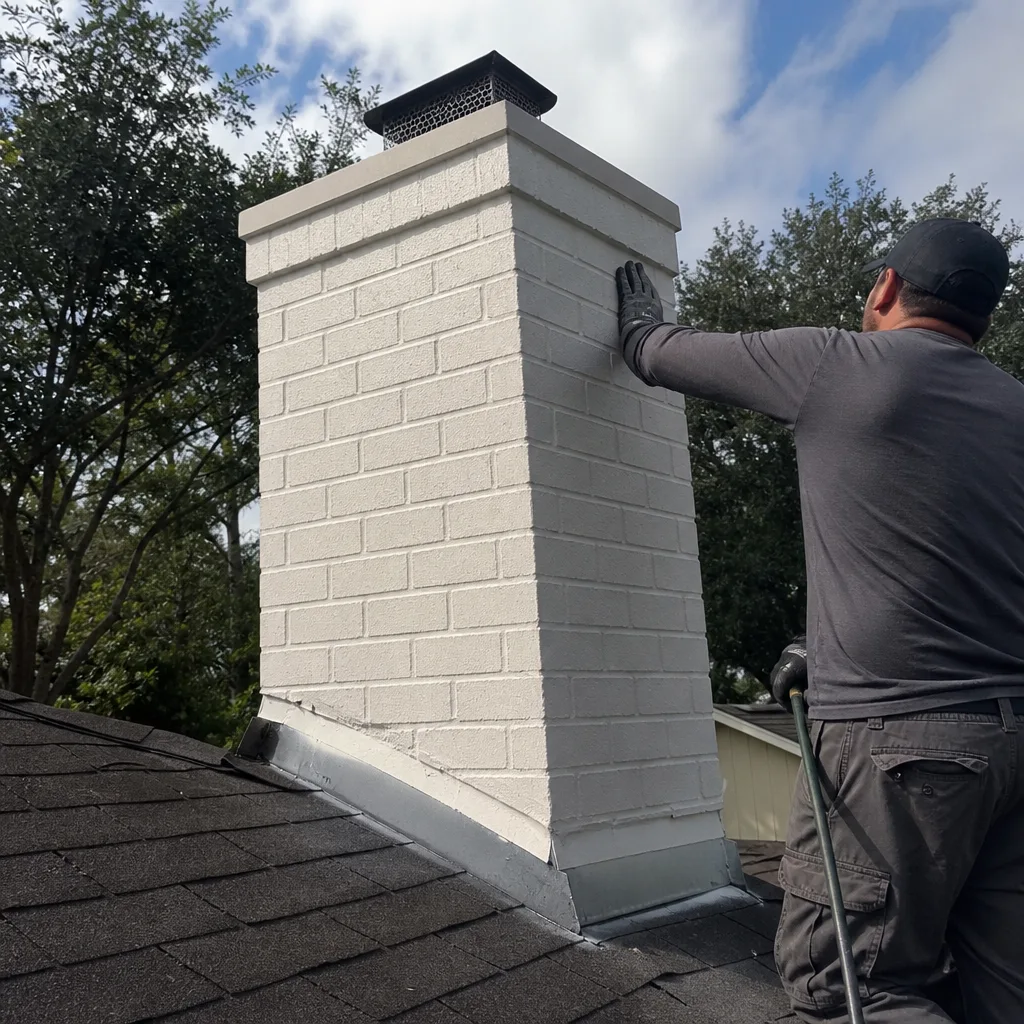
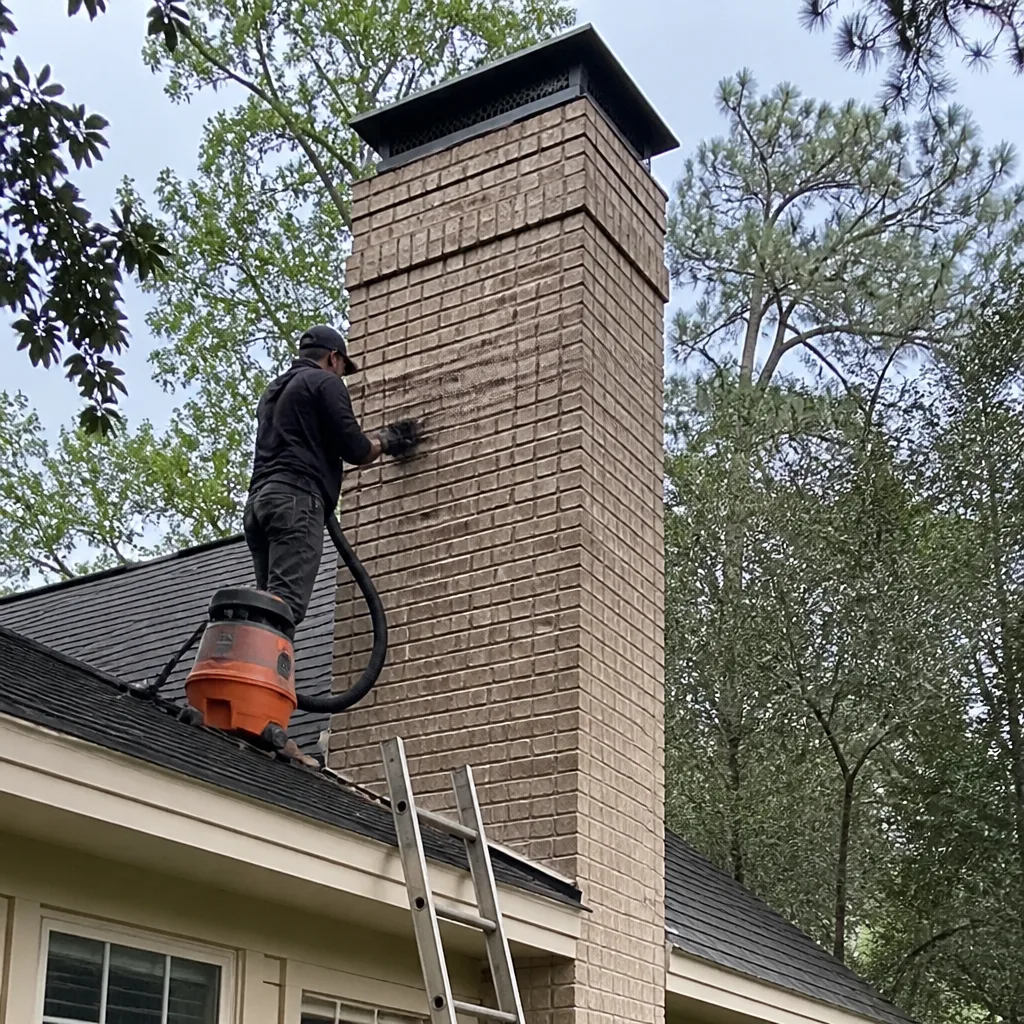
See the difference
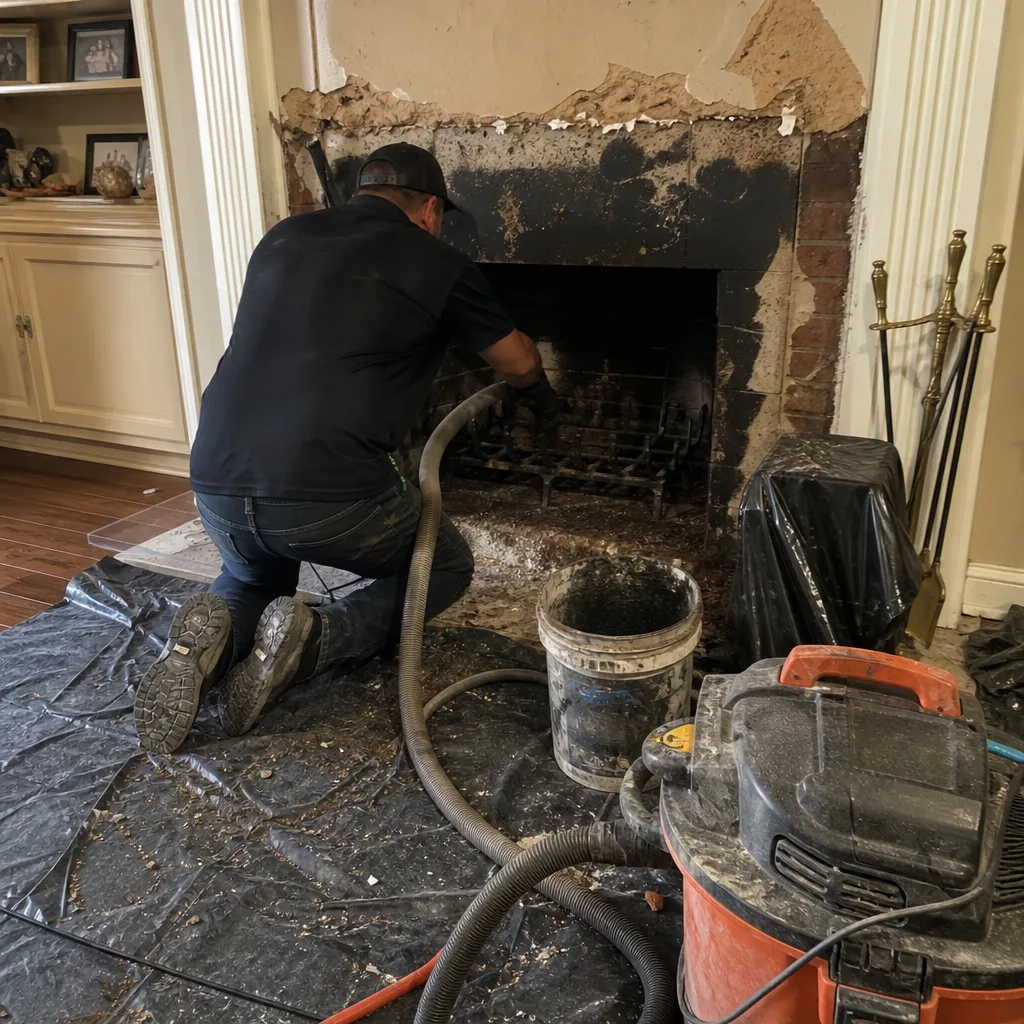 Before
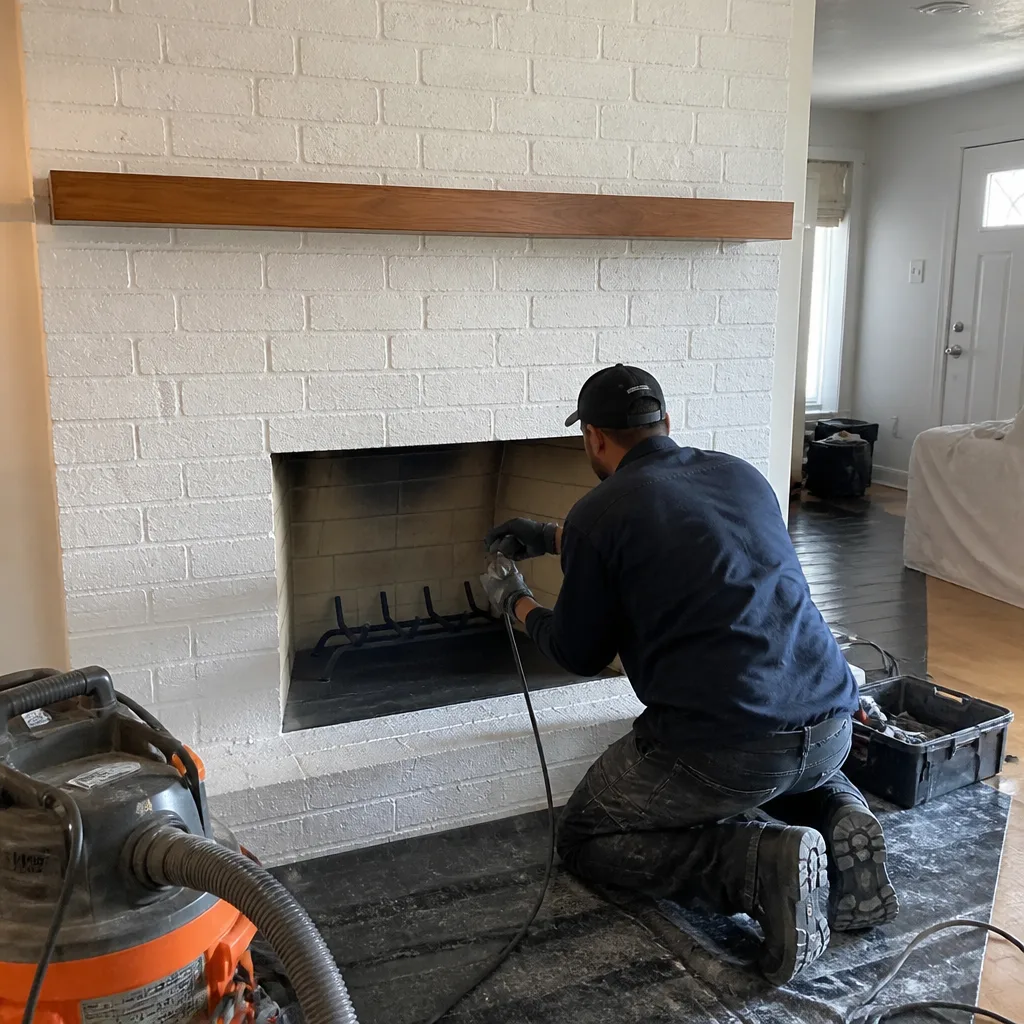 After
After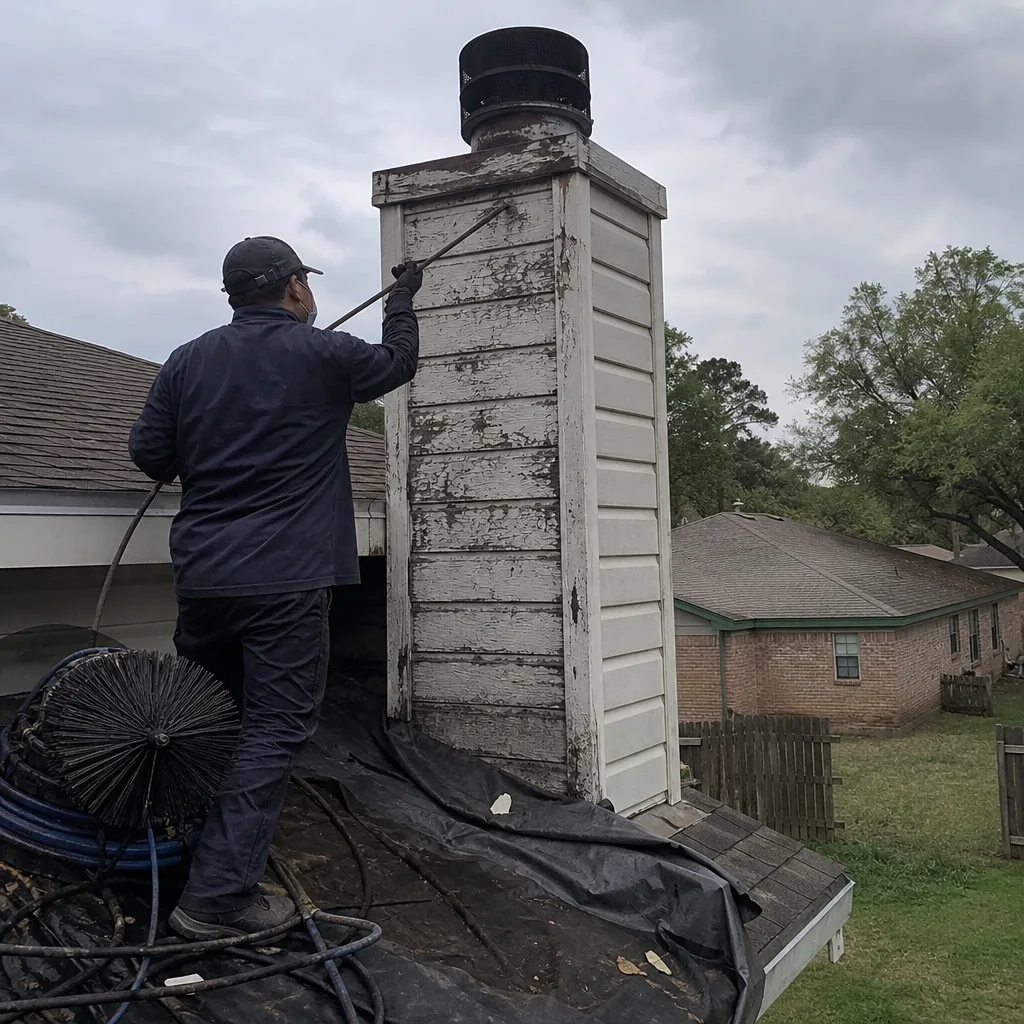 Before
 After
After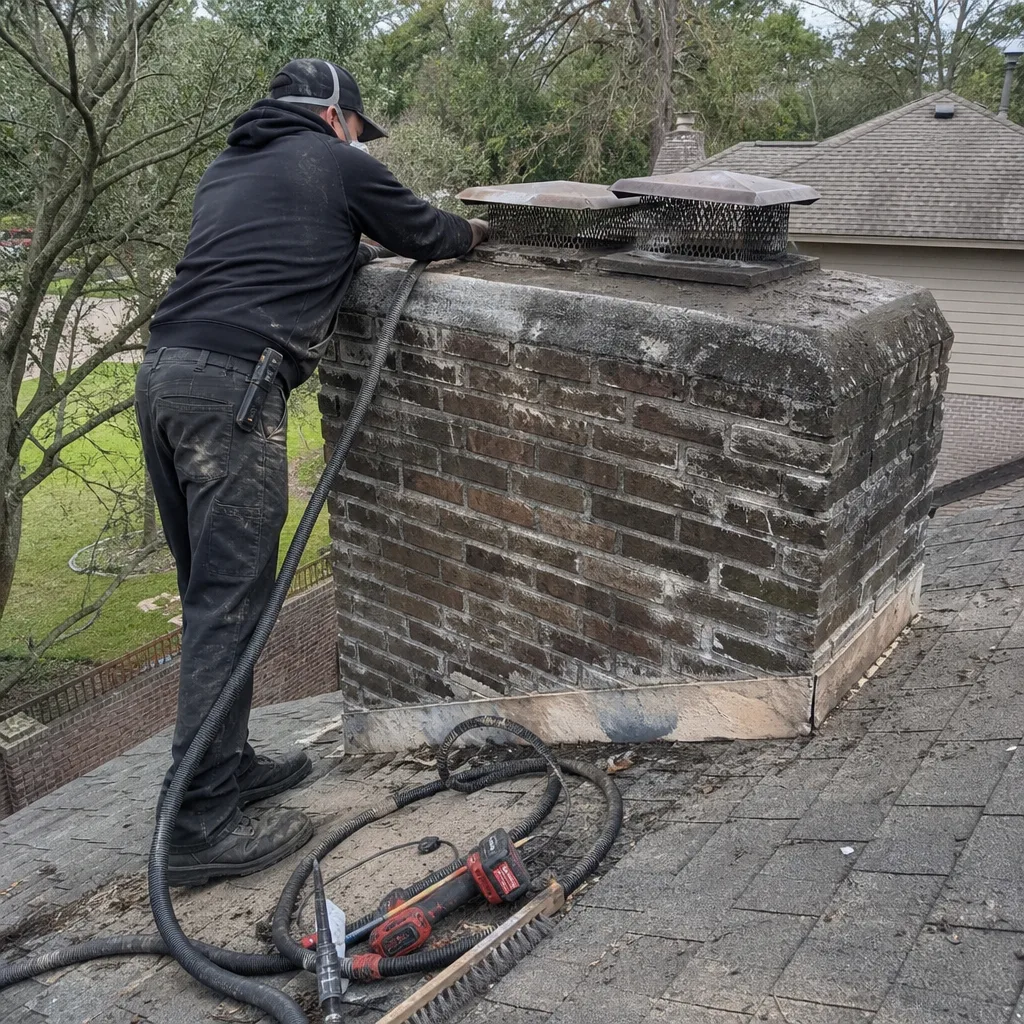 Before
 After
After