
Last updated October 15, 2026
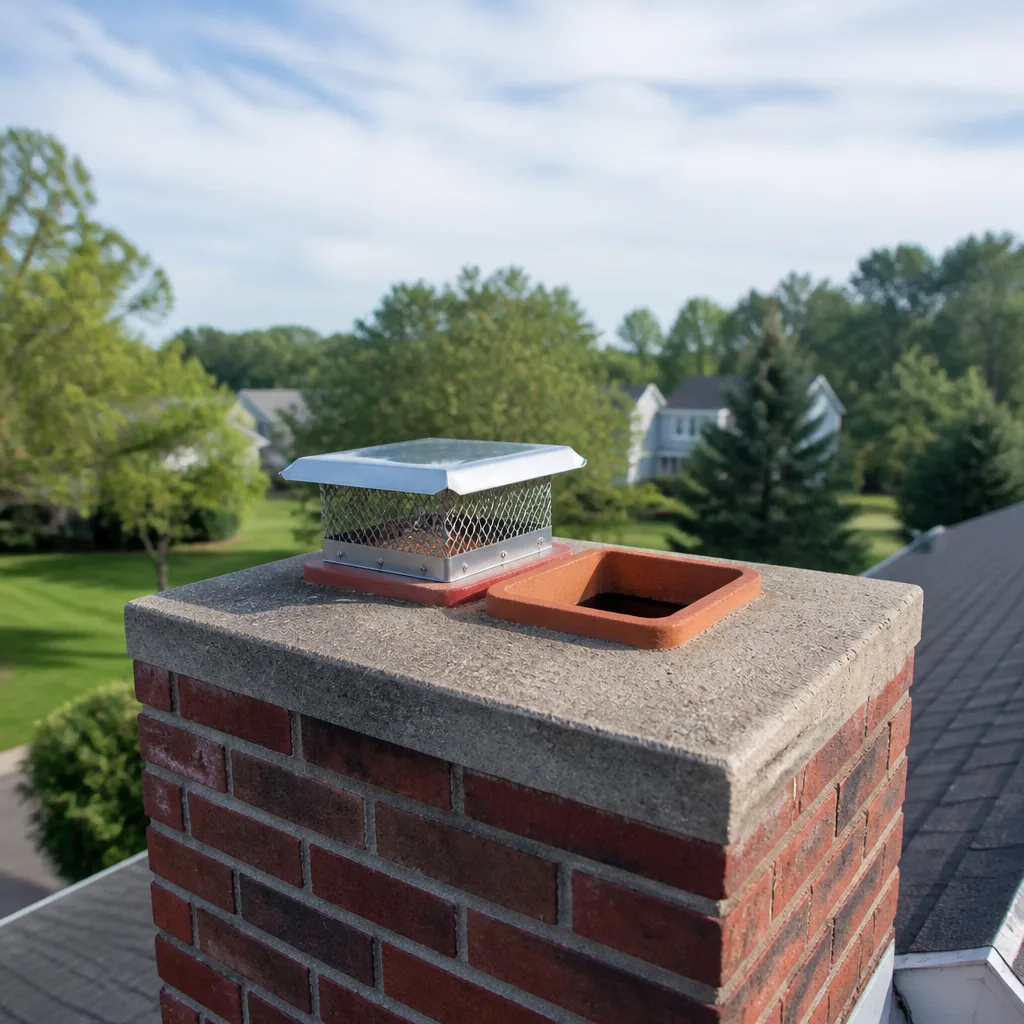 Sweep & inspection
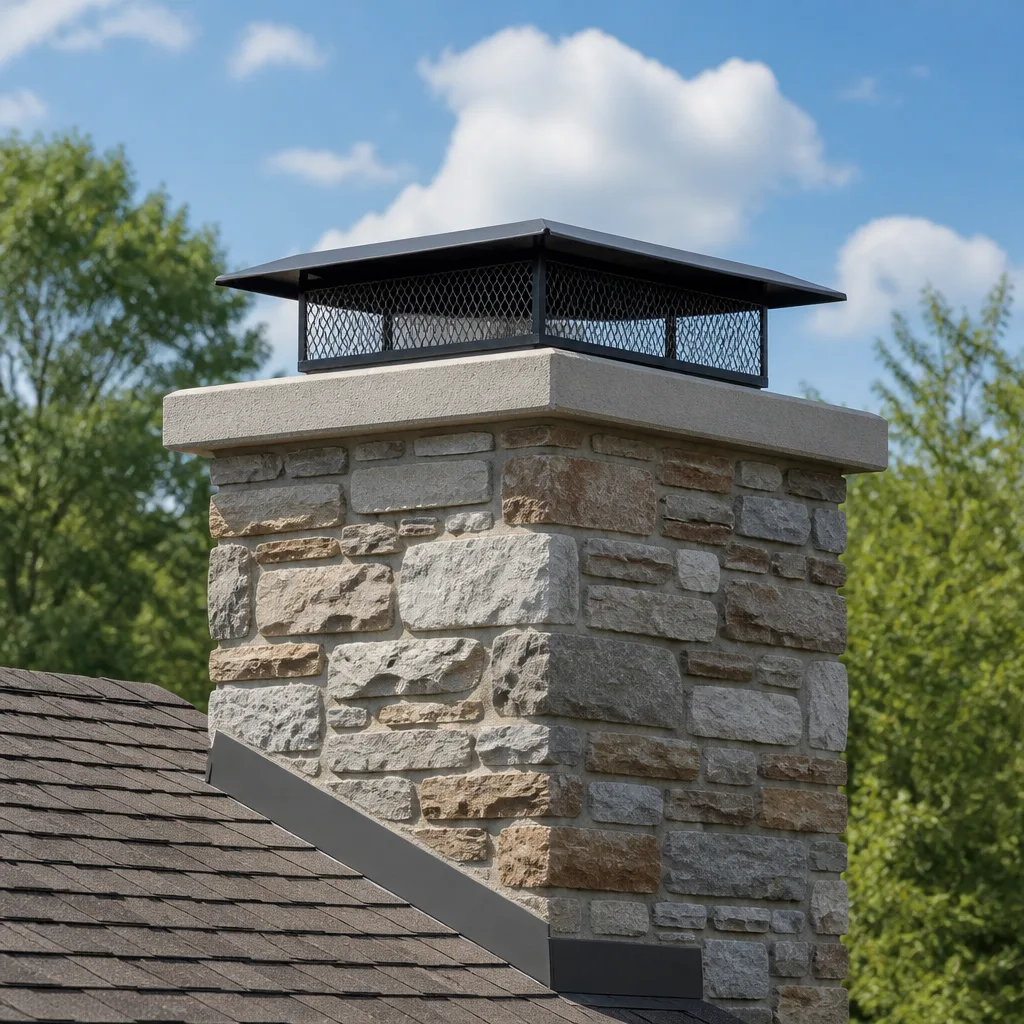 Caps & crowns
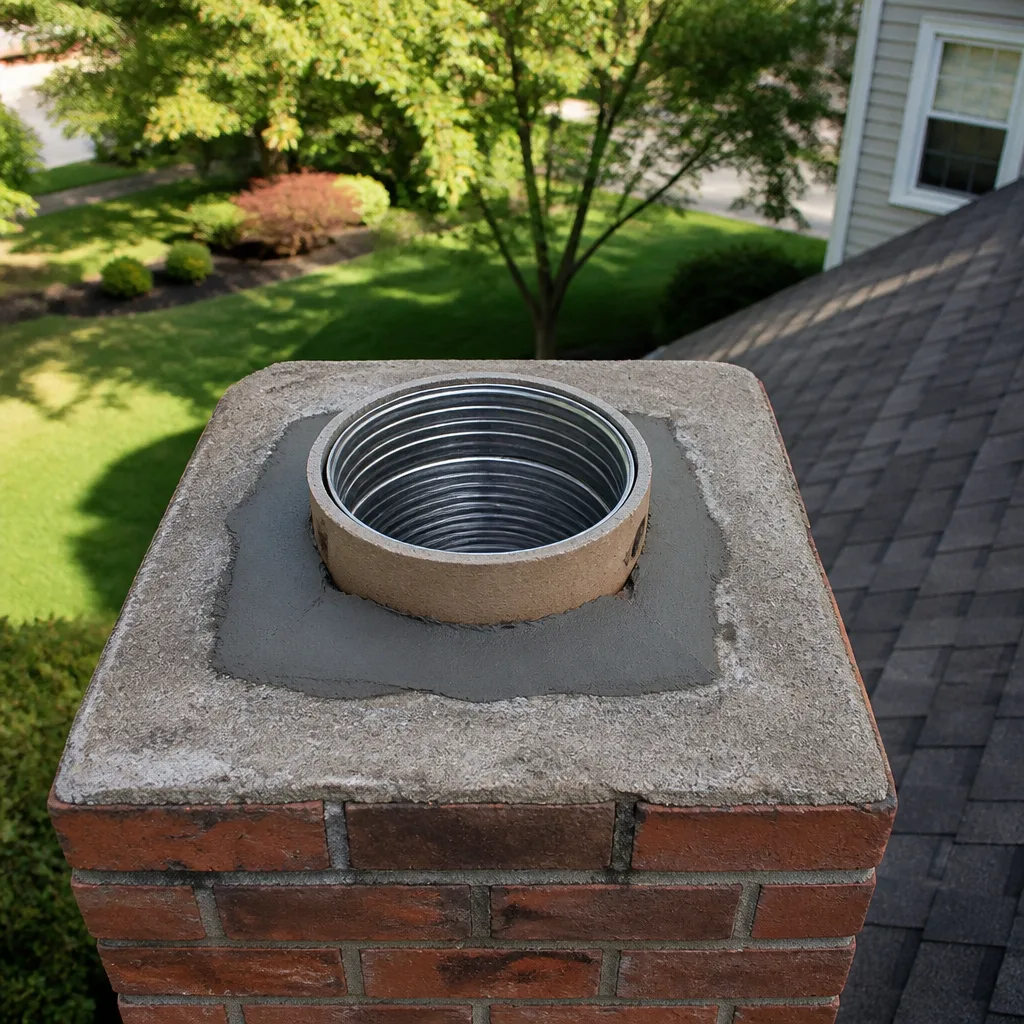 Flue relining
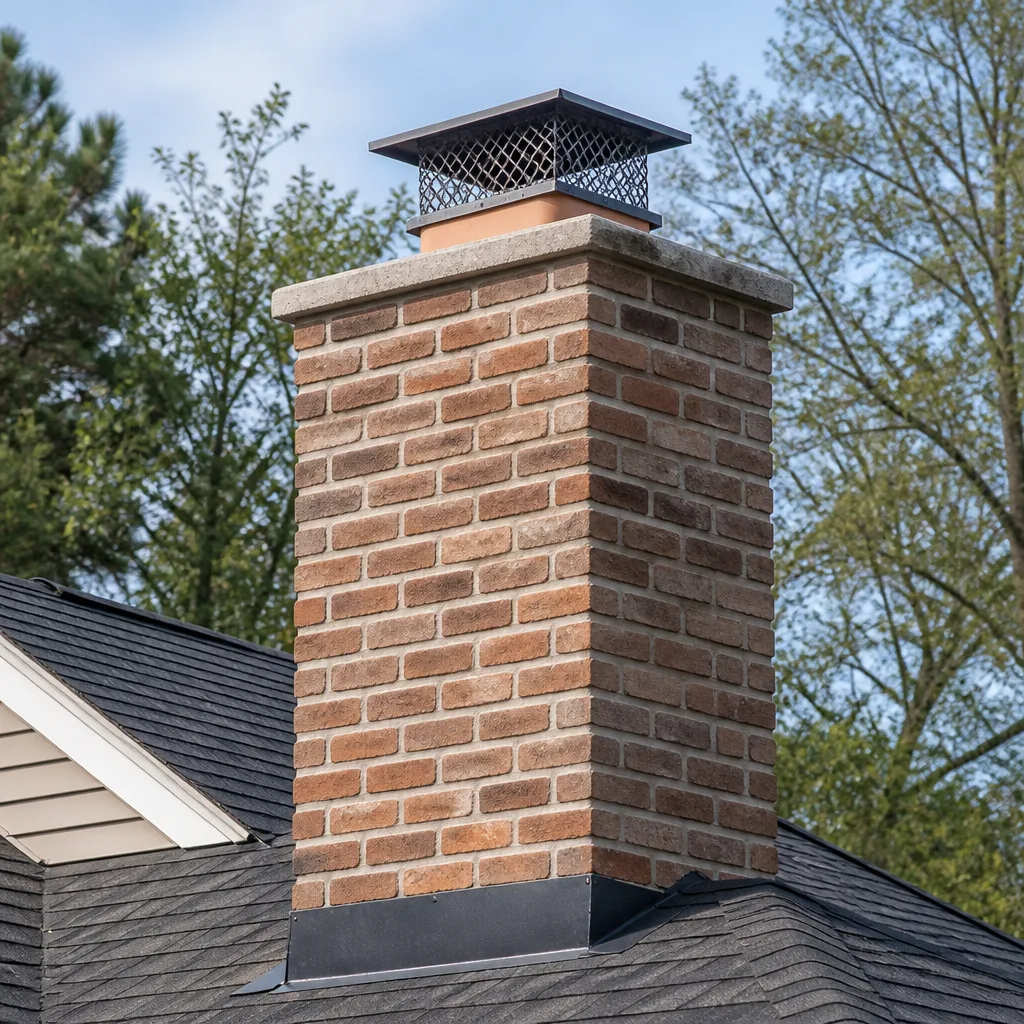 Masonry repair
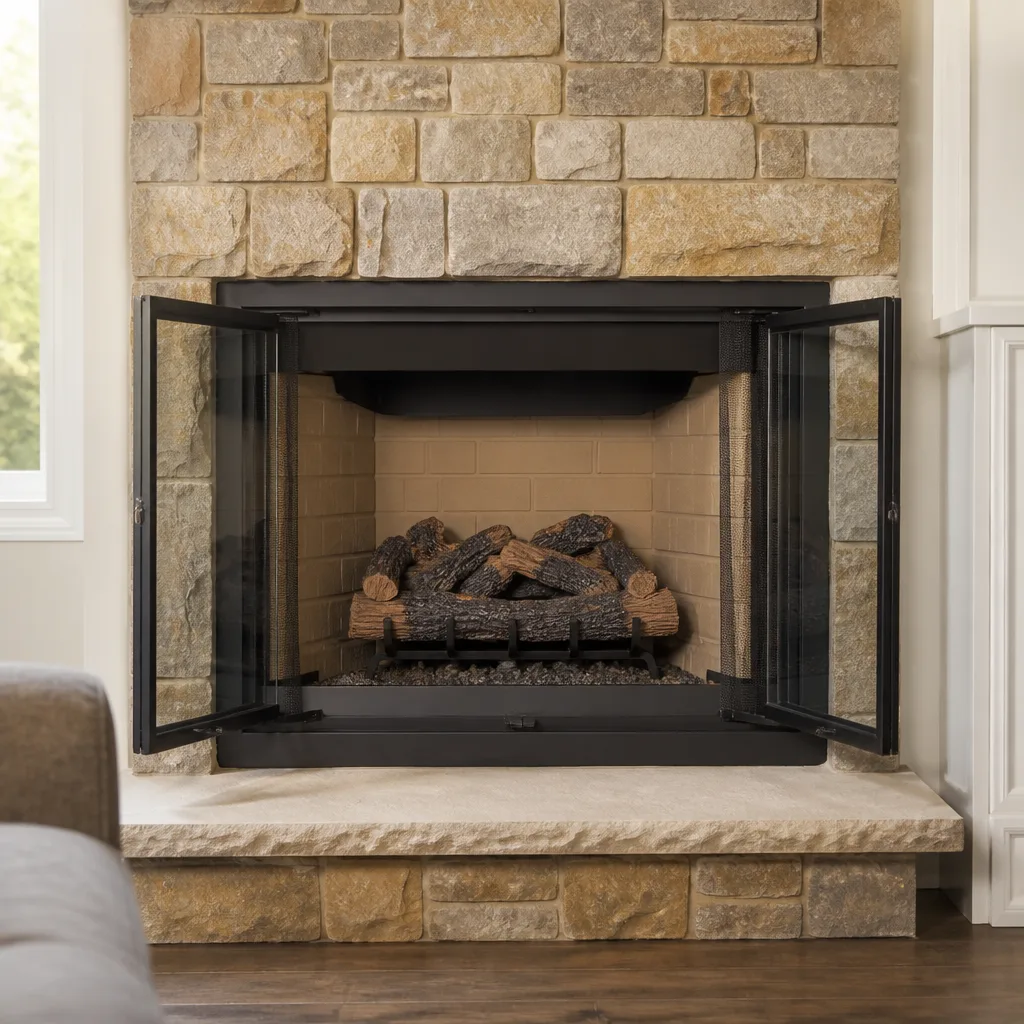 Gas fireplace service
Level 1 sweep and inspection to the NFPA 211 annual standard - flue, crown, cap, and flashing checked and photographed
Chimney sweep logs do not sweep chimneys. They loosen some creosote - which then falls where a brush and vacuum still have to collect it.
Chimney Cleaning Cost Breakdown: The Houston Homeowner’s Reference for 2026
The $79 chimney cleaning special you see on door hangers in Houston covers a visual sweep and a vacuum. It does not include a camera inspection, and it does not include a written guarantee. The technician will find something that costs more. That’s the business model, and it works because Houston homeowners have no reference point for what a legitimate chimney cleaning should actually cost. This guide gives you that reference point. You’ll get real Houston price ranges for every standard service line, learn what actually drives cost variation (it’s not what you think), and see exactly what a written estimate should include so you can compare quotes on equal footing and walk away from the ones designed to trap you.
Styles & brands we work with
Quick Answer
A standard chimney sweep in Houston typically costs between $149 and $249 for a single flue with normal creosote buildup, while a Level 2 camera inspection adds $150 to $350 depending on flue length and access. Full service packages that include sweeping, inspection, and a written report generally run $300 to $450. Every legitimate quote should include a written price before work begins, cover the full flue from firebox to cap, and come with a stated guarantee period.
Table of Contents
- Houston Price Ranges for 2026: Itemized and Actual
- The Three Legitimate Factors That Raise a Chimney Cleaning Price
- Why the Lowest Quote Is Almost Never the Actual Price Paid
- What a Flat-Rate Written Estimate Should Look Like
- How to Use the Written Estimate as a Price Anchor
- Creosote Stages Explained: What Each One Means for Your Bill
- Common Mistakes to Avoid
- When to Call a Professional
- Frequently Asked Questions
- The Bottom Line
Houston Price Ranges for 2026: Itemized and Actual
Here’s the thing about Houston chimney pricing: the market is fragmented enough that two quotes for the identical job can land $400 apart. A roofing company that “also does chimneys” will quote one number. A dedicated chimney sweep in Houston will quote another. A franchise with a call center in another state will quote a third. The ranges below reflect what we see across the Houston metro in 2026 – and they assume a standard masonry chimney on a single-story home in areas like Katy, Cypress, Sugar Land, or the Heights.
These are the prices you should expect to see on a written estimate, not a teaser flyer:
- Standard chimney sweep (single flue, Stage 1 creosote): $149 – $249. Includes full flue brushing, firebox cleanup, damper check, and basic visual inspection from top and bottom.
- Standard chimney sweep (two flues, same chimney): $249 – $379. Most Houston homes with a gas furnace and wood-burning fireplace will have two flues in one chase.
- Level 1 inspection (visual, no camera): $75 – $150 when bundled with a sweep. $125 – $200 as a standalone. This is the minimum for any chimney that sees regular use.
- Level 2 camera inspection: $150 – $350. Includes a full video scan of the flue interior from top to bottom, typically with a written report and still photos. Required when buying or selling a home, after a chimney fire, or after a major weather event like a hurricane or freeze.
- Chimney cap replacement (galvanized, standard size): $89 – $175 installed. Stainless steel cap with spark arrestor: $175 – $350 installed. Houston’s humidity eats galvanized caps fast, so stainless is usually the better call.
- Damper repair or replacement (throat damper): $175 – $425. A top-sealing damper runs $350 – $700 installed and pays for itself in AC season by sealing the flue from conditioned air loss.
- Animal removal (birds, squirrels, raccoons in the flue): $150 – $450 for standard removal excluding major repairs. In Houston, the chimney swift is a protected migratory bird – if they’re nesting, removal is legally prohibited until they migrate, and any reputable company will tell you that plainly.
- Chimney sweep + Level 2 inspection bundled package: $350 – $500. This is the package most homeowners over 40 in the Houston suburbs actually want when they call us, because it answers the two questions they have: is it clean, and is it safe.
One factor Houston homeowners underestimate is the cost of deferred maintenance. A chimney that hasn’t been swept in ten years with Stage 3 creosote will take significantly longer to clean and may require chemical treatment or mechanical removal. That’s not an upsell. It’s the difference between a 45-minute job and a two-hour job on a roof in August.
The Three Legitimate Factors That Raise a Chimney Cleaning Price
Not every price difference between chimney companies is a scam. There are three legitimate factors that move the number, and a reputable company will name them on the estimate. If a company can’t tell you why their price is higher, that’s your signal to keep shopping.
1. Flue Length and Diameter
A chimney on a single-story ranch in Spring Branch is shorter than the chimney on a three-story townhome in Midtown. A standard masonry flue runs 15 to 25 feet. Taller flues require more rod sections, more time, and more physical work on a ladder or roof. The diameter matters too: a 13×13 inch masonry flue takes longer to brush thoroughly than a 6-inch round metal liner. More surface area equals more brushing time equals a higher price. This is not negotiable, and anyone who quotes a flat $99 for “any chimney” is not actually brushing your entire flue.
2. Creosote Stage
Creosote is the tar-like residue that condenses on your flue walls when wood smoke cools. It comes in three stages, and each changes the cleaning process dramatically. Stage 1 is flaky soot that brushes off with standard sweeping. Stage 2 is a hardened glaze that requires more aggressive mechanical removal. Stage 3 is a thick, tar-like buildup that can require chemical treatment, rotary cleaning heads, and in severe cases, removal because it is a fire hazard. Most Houston chimneys used seasonally fall into Stage 1 or 2. Stage 3 usually means the chimney hasn’t been cleaned in a decade, or someone burned unseasoned wood or trash.
The cost difference between cleaning Stage 1 and Stage 3 creosote in Houston is typically $100 to $250. A written estimate should state the assumed creosote stage and include language for what happens if it’s worse than expected. That’s the insurance against surprise add-ons.
3. Access Difficulty
This is the factor most homeowners never think about until the technician is on their roof. A chimney accessible from a standard 6/12 pitch roof with a walkable surface is simple. A chimney on a steep 10/12 or 12/12 pitch, surrounded by trees, or reachable only by a ladder that needs to extend beyond 28 feet will cost more. In Houston neighborhoods like Memorial and River Oaks where large oak trees canopy the roofline, branches often need to be worked around, and the roof itself may be tile or slate, which requires different equipment and more care. Flat-rate emergency quotes for steep or obstructed access are rarely real.
Why the Lowest Quote Is Almost Never the Actual Price Paid
The $79 chimney cleaning special is not a price. It’s a door opener. The technician arrives, runs a brush up the flue once, then comes down with a tablet full of photos and a list of problems: cracked flue tiles, missing cap, animal damage, unsafe damper. Some of these will be real. Some will be exaggerated. The pattern is predictable because the business model depends on it: the sweep itself is a loss leader, and the company only becomes profitable when it converts a $79 customer into a $2,000 relining job.
Here’s how the pattern typically plays out in Houston:
- The hook: A door hanger, Facebook ad, or direct mailer offers a chimney sweep for $49 to $99. The fine print may or may not mention that the price excludes inspection, report, or any repair.
- The arrival: The technician arrives, often late or early without notice. The truck may be unbranded. The technician may be a subcontractor paid per job, not an employee.
- The partial work: A quick brush and vacuum of the firebox. The flue is not fully swept top to bottom. No camera is used.
- The crisis: The technician produces photos – sometimes stock photos, sometimes photos of a different chimney – showing damage that “must be fixed immediately.” The quote is handwritten or verbal. Pressure to sign the same day is applied.
- The add-on: The final invoice is three to ten times the advertised price. No written guarantee accompanies the repair.
We see the aftermath of this pattern regularly at our Houston shop. Homeowners call us for a second opinion after paying $1,800 for a “repair” that was never done or was done incorrectly. The single best defense is a written estimate that itemizes the work before anything starts – and a company that refuses to provide one is telling you how the transaction will end.
What a Flat-Rate Written Estimate Should Look Like
Under The Garrison Code, which is how we operate at Flint Chimney Co Houston, every job gets a written price before any work begins. That’s not a preference. It’s the standard we trained on, and it’s the standard we hold every technician to. Here’s what that document should contain:
- Company name, address, phone number, and license/insurance disclosure: If the estimate is a piece of paper with no company information, leave it.
- Date of estimate and the person who performed it: A real estimate is traceable to a real person.
- Scope of work in plain language: Not just “chimney sweep” but what that includes: brush the full flue from firebox to cap, remove creosote from smoke shelf and damper, vacuum firebox and smoke chamber, perform Level 1 visual inspection, check cap and crown.
- Line-item prices: Each component of the job priced separately. Bundle pricing is fine, but the line items should exist so you can see what you’re paying for.
- Assumed conditions and material: “Assumes Stage 1 creosote and standard single-story access. Additional charges will be discussed and approved in writing before proceeding if creosote is Stage 2 or higher.” That sentence is your protection against the walk-up upsell.
- Guarantee terms in writing: What is covered, for how long, and what happens if it fails. At Flint Chimney Co Houston, repairs carry a written guarantee valid for one full year, and a covered failure means we return at no charge. That’s The Garrison Standard.
- Final price: The number on the estimate is the number on the invoice. No “unexpected complications” padding unless documented and approved in writing mid-job.
A one-paragraph handwritten estimate that says “chimney clean $350” with no detail is not a written estimate. It’s a starting bid with room to grow.
How to Use the Written Estimate as a Price Anchor
Once you have a detailed written estimate in hand, you have leverage. Here’s how to use it effectively, step by step:
- Get three written estimates. Not phone quotes. Written, itemized documents. If a company won’t put it in writing, eliminate them. This alone will save you from the worst actors in the Houston market.
- Line up the line items. Compare the same service across all three. A $500 estimate that includes a Level 2 camera inspection, a new cap, and a full sweep may beat a $350 estimate that only covers the sweep. You’re comparing total scope, not just total dollars.
- Ask about the creosote stage assumption. If two estimates assume Stage 1 and the third won’t commit to a stage, that third estimate is a trap. It’ll start low and grow.
- Ask about the guarantee. What happens if the repair fails in six months? If the answer is a blank stare or “we’ll come back and take a look,” that’s not a guarantee. A real guarantee has terms, a written document, and a duration. Ours runs one full year.
- Never negotiate the price down on the spot. A reputable company with a written price may hold firm. That firmness is not rudeness – it’s the reason the estimate exists. The price you negotiate down is often the service you negotiate away. If the price is too high, say no. Don’t ask them to cut it.
- Walk away from any company that requires a same-day decision. No legitimate chimney repair in Houston cannot wait 48 hours for you to think. Anyone insisting otherwise is using pressure, not professionalism.
One more thing: the written estimate is also your record if something goes wrong. When a repair is covered by our 365-Day Done Right Promise, that promise is tied to the written scope of work. If we said we were replacing a cap and the cap fails, the document is what makes the follow-up simple. Verbal promises evaporate. Written ones endure.
Creosote Stages Explained: What Each One Means for Your Bill
Half the confusion in chimney pricing comes from creosote – what it is, what stage you have, and why it changes the bill. Let’s translate the trade terms.
Stage 1 Creosote: Flaky Dust
Stage 1 creosote is the soft, flaky soot that brushes off easily with standard nylon or steel wire brushes. It’s what accumulates during normal wood burning with dry, seasoned wood. A Houston chimney that burns two to three cords of oak per winter and is swept annually will typically show Stage 1. Cleaning time: 45 to 75 minutes for a standard single flue. No additional charge beyond the standard sweep price.
Stage 2 Creosote: Crunchy Glaze
Stage 2 creosote is a hardened, shiny glaze that no longer flakes. It requires more aggressive mechanical removal – typically a rotary loop or rotary whip attachment on a drill. This adds 30 to 60 minutes per flue and $75 to $150 to the standard price. Stage 2 usually forms when fires burn cool (dampered down too far for overnight burns) or when partially seasoned wood is used. It’s common in Houston where wood sits in humid garages and never fully dries.
Stage 3 Creosote: Tar-Like Buildup
Stage 3 creosote is the dangerous one. It’s thick, tarry, and can ignite at temperatures as low as 451 degrees Fahrenheit inside the flue. In some cases, it cannot be mechanically removed without risking flue damage, and a chemical treatment like a creosote remover is applied first. In severe cases, a stainless steel liner from a brand like DuraFlex is the only safe long-term solution. Stage 3 adds $100 to $250 to the cleaning cost and may require a Level 2 inspection before the chimney can be certified safe to use. We’ve seen Stage 3 chimneys in older Houston homes where the fireplace was used for decades without a single sweep.
The key point: your creosote stage is not a random fee. It’s a physical condition of your chimney, and any estimate should name the assumed stage and the price difference if it’s worse.
Common Mistakes to Avoid
- Hiring the cheapest quote without reading what it covers. A $79 sweep that doesn’t include an inspection answers none of your actual questions. You’ll pay more in the long run.
- Skipping the Level 2 inspection when buying a home. In Houston, home inspectors rarely climb onto the roof or run a camera up a flue. A $250 Level 2 can reveal a $5,000 problem before you sign the closing papers.
- Assuming gas fireplaces never need cleaning. Gas logs still produce residue, and any blockage in the flue – bird nests, debris, even wasp nests – can force carbon monoxide back into the house. Houston’s warm climate means wasps and dirt daubers are active for most of the year, and they love chimney flues.
- Burning unseasoned wood. Houston’s humidity means firewood takes longer to season than it does in drier climates. Wood that has sat in a damp garage for six months is still not dry. Wet wood creates more creosote, faster, which means more frequent cleaning and higher bills.
- Accepting a verbal quote. If it’s not written, it doesn’t exist. A verbal quote is a blank check written in your name.
- Waiting to schedule until the first cold snap. Houston chimney companies book up fast when the temperature drops in November and December. Schedule your sweep in September or October, before burning season starts, and you’ll have your choice of appointment times and often a lower price.
- Not asking what brand of materials will be used. If a cap or damper needs replacing, the quality of the part matters. We specify brands like Copperfield and Famco because they hold up in Houston’s corrosive humidity – off-brand parts fail faster and cost more over time.
When to Call a Professional
Chimney work involves heights, masonry, and fire safety, and none of those are forgiving. Here’s when to make the call rather than reaching for a ladder yourself:
- You see a quarter-inch or more of dark buildup on the flue walls when you shine a flashlight up from the firebox.
- You smell a campfire-like odor inside the house, especially in summer when the chimney draft reverses in humid Houston air.
- You see animals entering or hear scratching from inside the chimney chase.
- You’ve just bought a home and have no record of the last chimney inspection.
- Your fireplace smokes back into the room instead of drafting up and out.
- You’ve had a chimney fire, even a small one, and need the flue assessed for structural damage.
When you’re dealing with creosote buildup, damaged flue liners, or animal blockages, these are not DIY projects. A blocked flue can push carbon monoxide and smoke into the living space, and damaged liners can allow chimney fires to spread into wall cavities. Flint Chimney Co Houston offers free estimates in Houston – call (325) 750-6259 and we’ll give you a written price before any work begins. If you’d rather research first, our chimney inspection service page explains what a Level 1 and Level 2 inspection actually involve.
Frequently Asked Questions
A standard chimney sweep in Houston runs $149 to $249 for one flue with normal creosote buildup. Two flues on the same chimney cost $249 to $379. These prices should include full flue brushing, firebox cleanup, and a basic visual inspection. Any quote below $100 is a loss leader designed to get a technician into your home so they can sell you repairs. Call (325) 750-6259 for a written price on your specific chimney – estimates are free, and the number we quote is the number you pay.
The National Fire Protection Association (NFPA) standard is that chimneys should be swept when there is 1/8 inch or more of soot buildup, and at minimum once per year if you burn wood regularly. In Houston, where humidity accelerates creosote formation and our burning season is shorter but more intense, an annual sweep before the fall burning season is the right call for most wood-burning fireplaces; use our Chimney Sweep Maintenance Checklist for Houston Homeowners to stay on track. Gas fireplaces can usually go two years between cleanings, but the chimney should still be inspected annually.
Yes, and here’s why: even a gas fireplace venting through a flue creates condensation and residue that attracts debris, and Houston’s climate brings chimney swifts, squirrels, wasps, and dirt daubers that build nests in unused flues. A blocked flue on a gas appliance can push carbon monoxide into your living space. A Level 1 inspection bundled with a sweep costs $75 to $150 and answers the only question that matters: is this chimney safe to use. If you’re buying or selling a home, a Level 2 camera inspection is not optional – it’s the standard for property transfers.
They’re not quoting the same job. The $89 quote covers a partial sweep of the accessible portion of the flue with no inspection, no camera work, no written report, and no guarantee. The $400 quote (assuming it’s a legitimate written estimate) likely includes a full sweep, Level 1 or Level 2 inspection, and a written report with photos. The real price difference emerges when the $89 technician finds $1,500 in “necessary” repairs. Compare the line items, not the headline price, and require every estimate in writing.
Ask these five questions: (1) Will you send a written estimate before any work starts? (2) What creosote stage are you assuming in the price, and what happens if it’s worse? (3) Is the guarantee in writing, and what does it cover? (4) Are your technicians employees or subcontractors, and are they background-checked? (5) What brand of materials do you use for caps, dampers, and liners – and can I verify them independently? A reputable company answers all five without hesitation. We use Copperfield, Famco, DuraFlex, and HeatShield products because they’re specified by job, not by margin.
You can, but you probably shouldn’t, and here’s the honest trade assessment: a homeowner with a standard ranch-style Houston home, a simple flue, and a full brush kit can knock Stage 1 soot loose. What most homeowners cannot do is properly assess the smoke shelf, the throat damper, the flue tile condition, and the exterior crown – and that’s where the problems hide. They also can’t see Stage 3 creosote glazing or early flue cracks without a camera. A professional sweep costs $149 to $249 and includes the trained-eye assessment. The math usually favors the pro.
The Bottom Line
A legitimate chimney cleaning in Houston costs $149 to $249 for a standard single flue, with inspections, camera work, caps, and repair services adding predictable line items on top. The number you’re quoted should come from a written estimate that names the scope, the assumed creosote stage, the brands of materials, and the guarantee terms. If it doesn’t, you’re not comparing quotes – you’re comparing marketing pitches. At Flint Chimney Co Houston, the price you approve is the price you pay, and every repair carries the 365-Day Done Right Promise in writing. That’s not a sales tactic. It’s the only way we’ve operated since 2002, and it’s how every chimney repair we perform in Houston is backed. Call (325) 750-6259 for a free estimate, and you’ll get a written price before anything begins.
Written by Hank Delano, Owner at Flint Chimney Co Houston, serving Houston since 2002.
See the difference
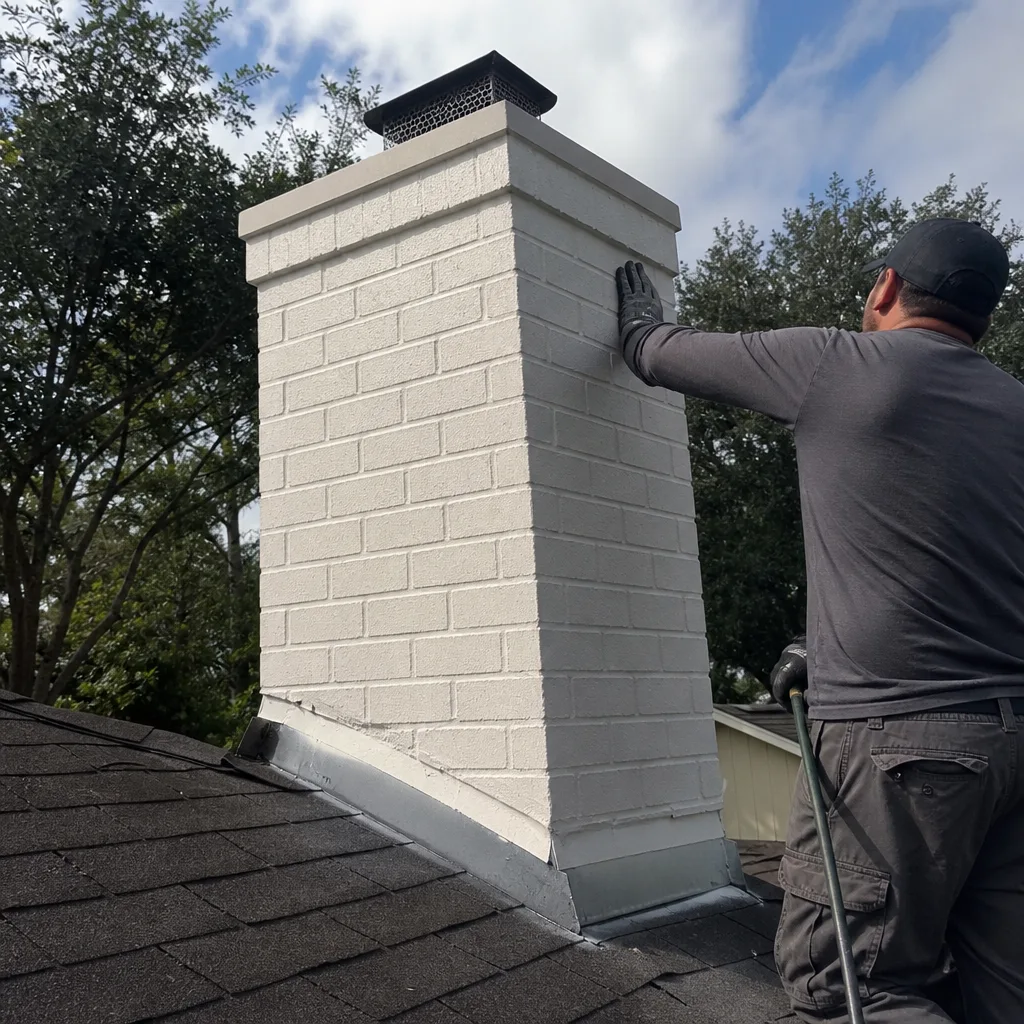
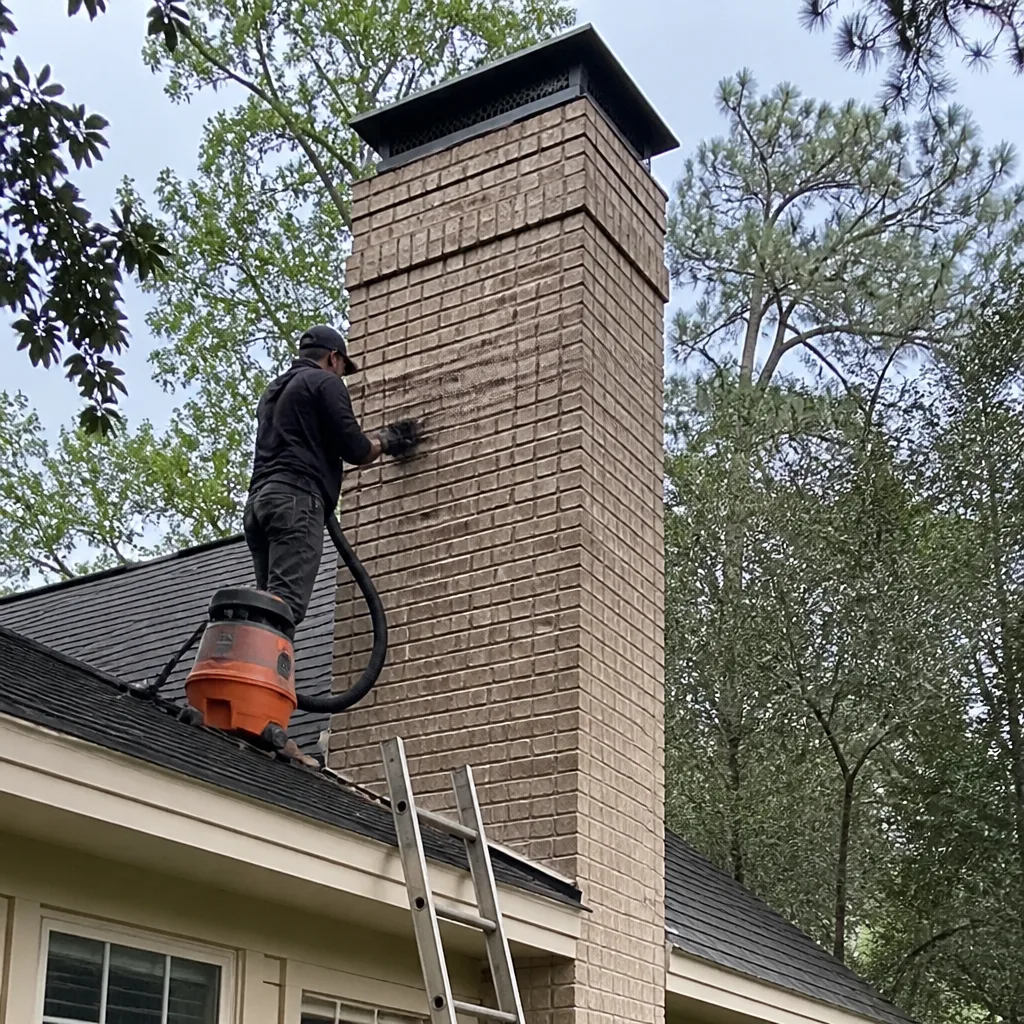
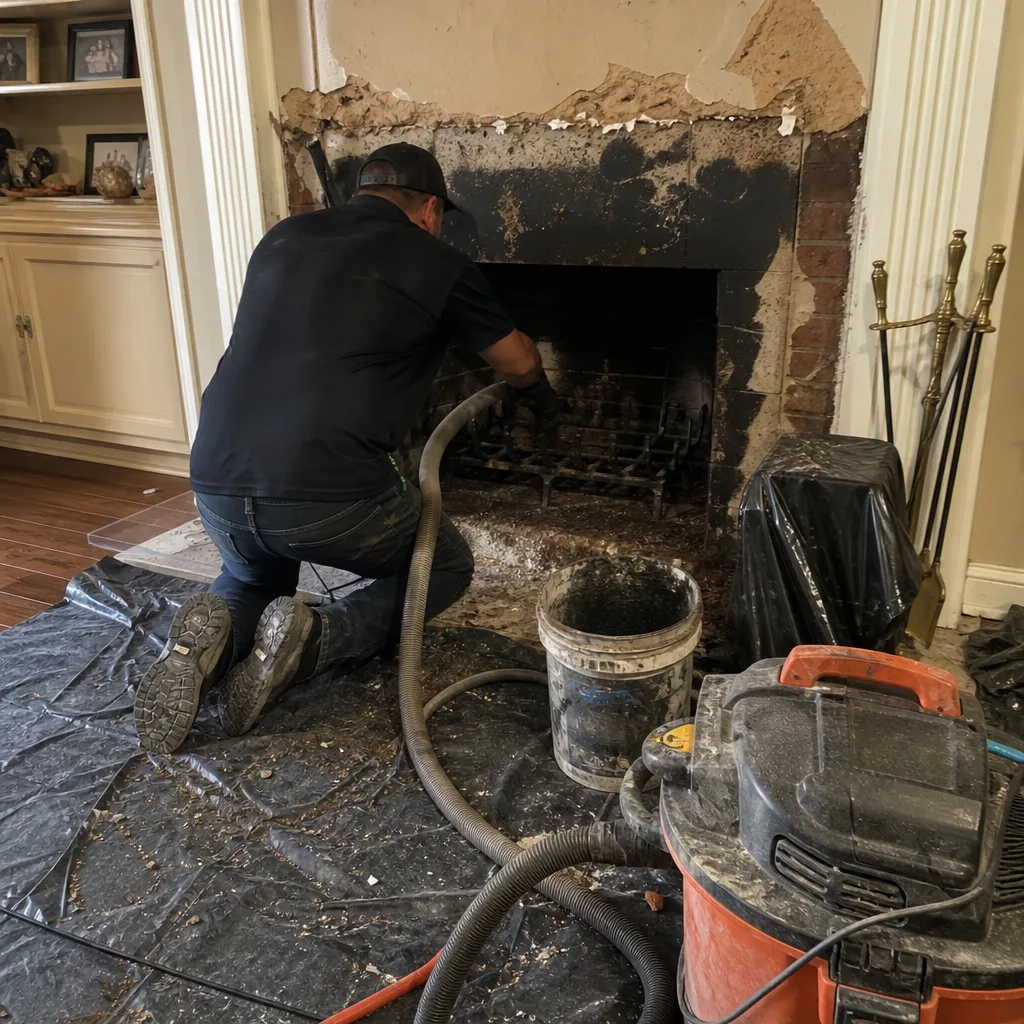 Before
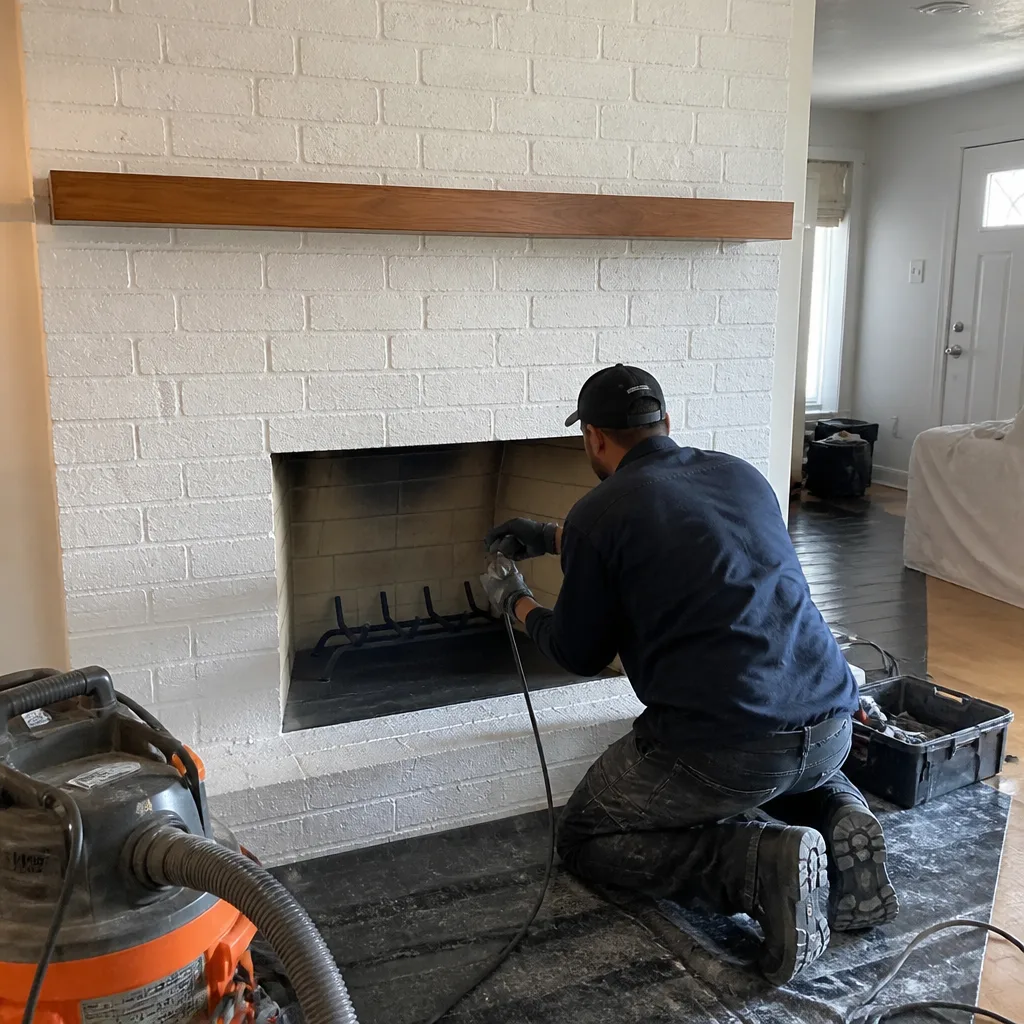 After
After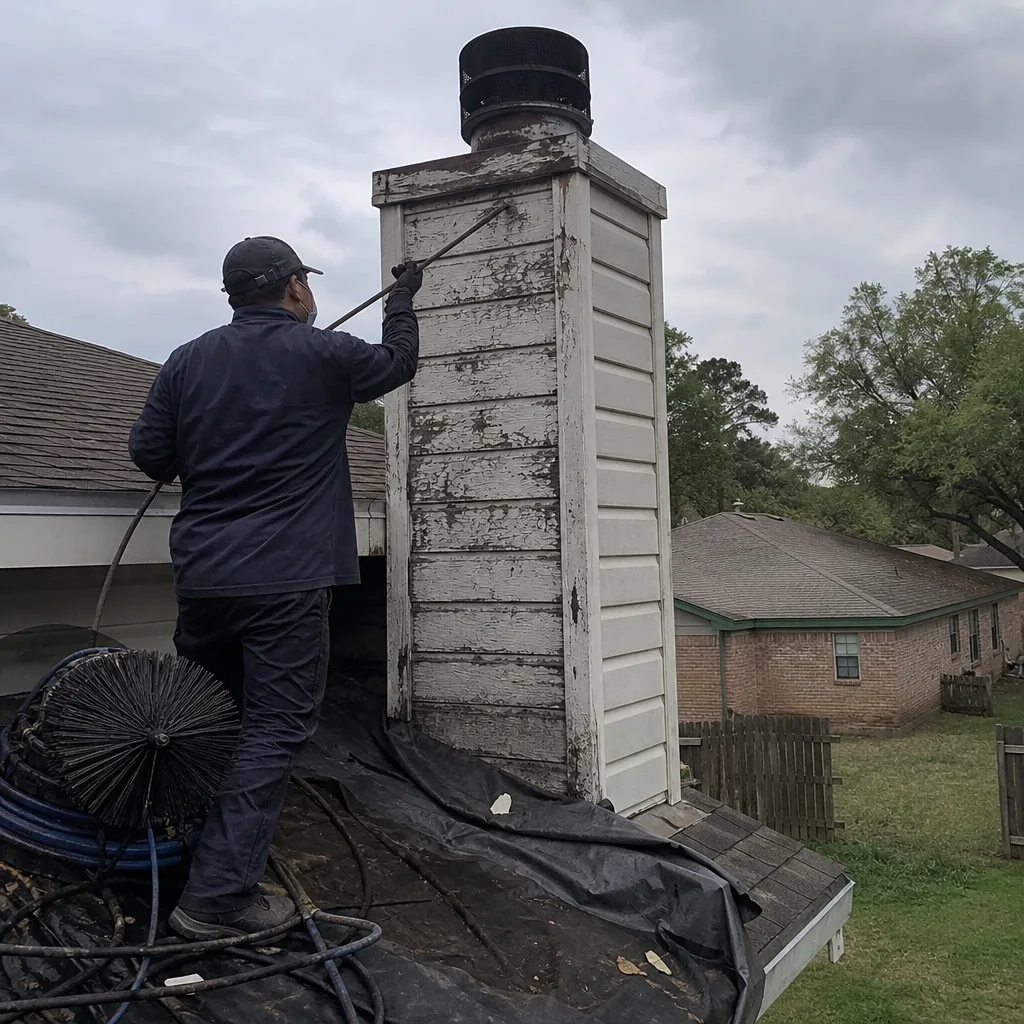 Before
 After
After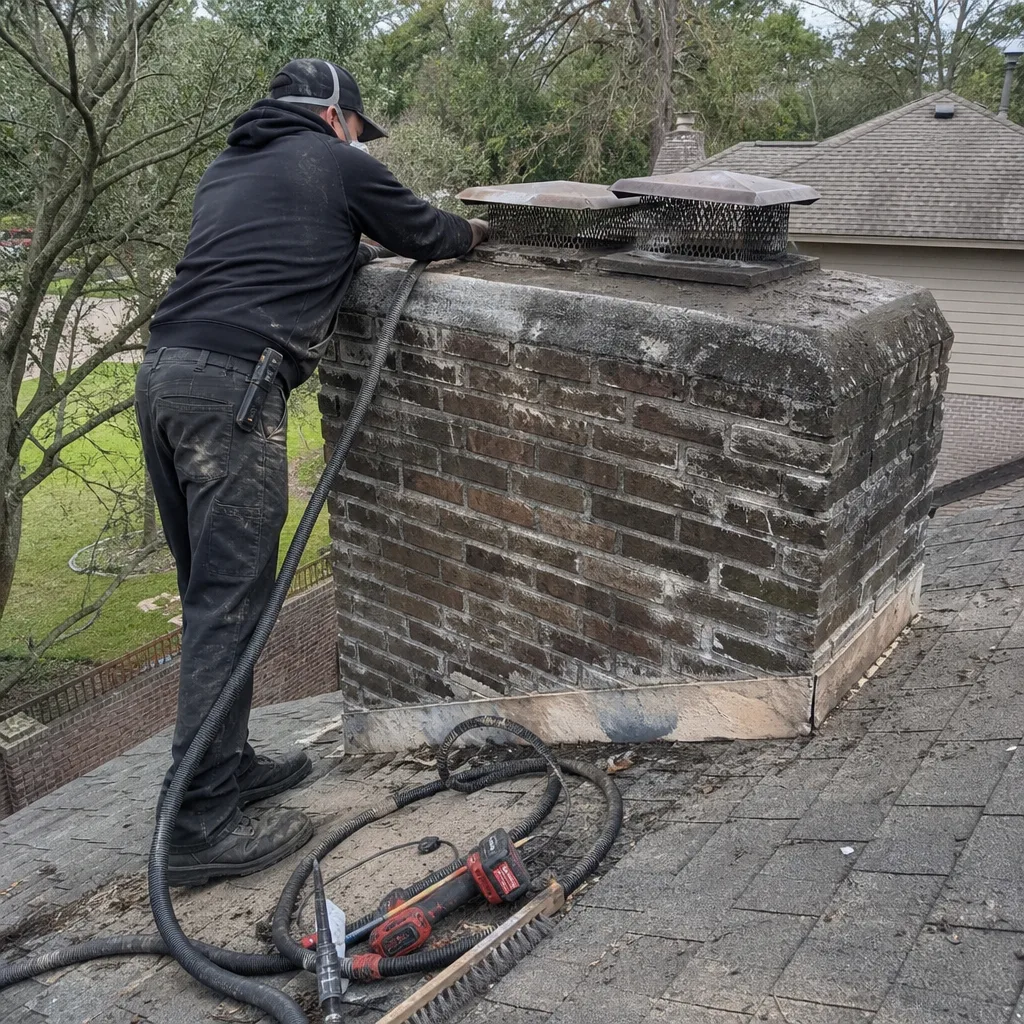 Before
 After
After