
Last updated October 15, 2026
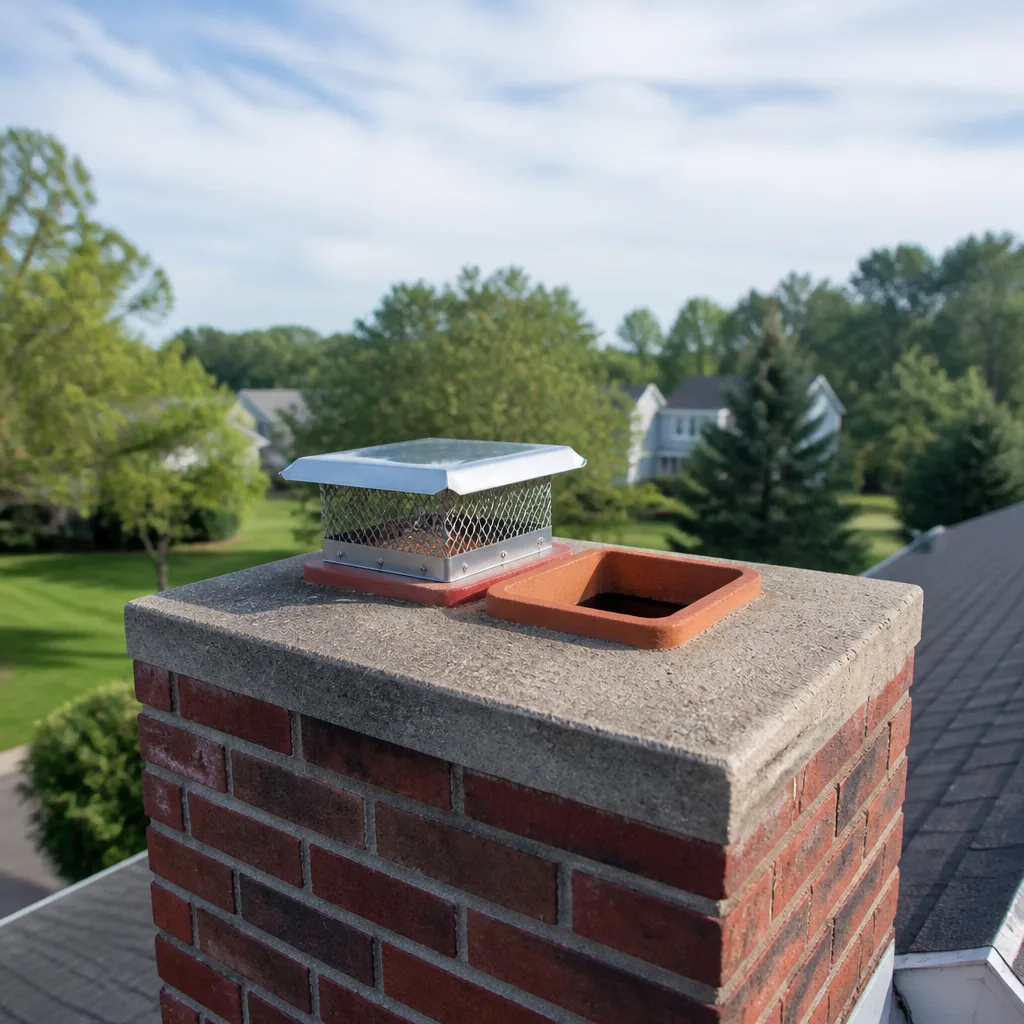 Sweep & inspection
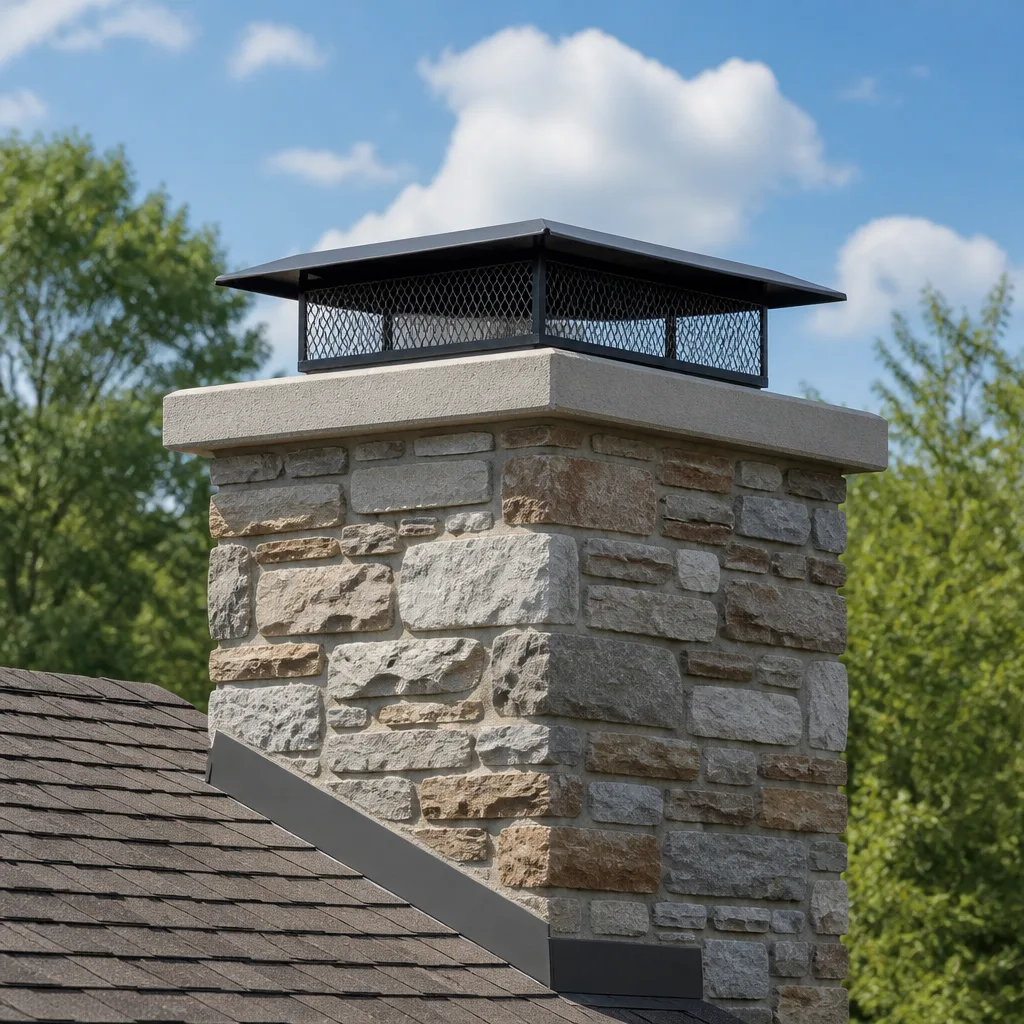 Caps & crowns
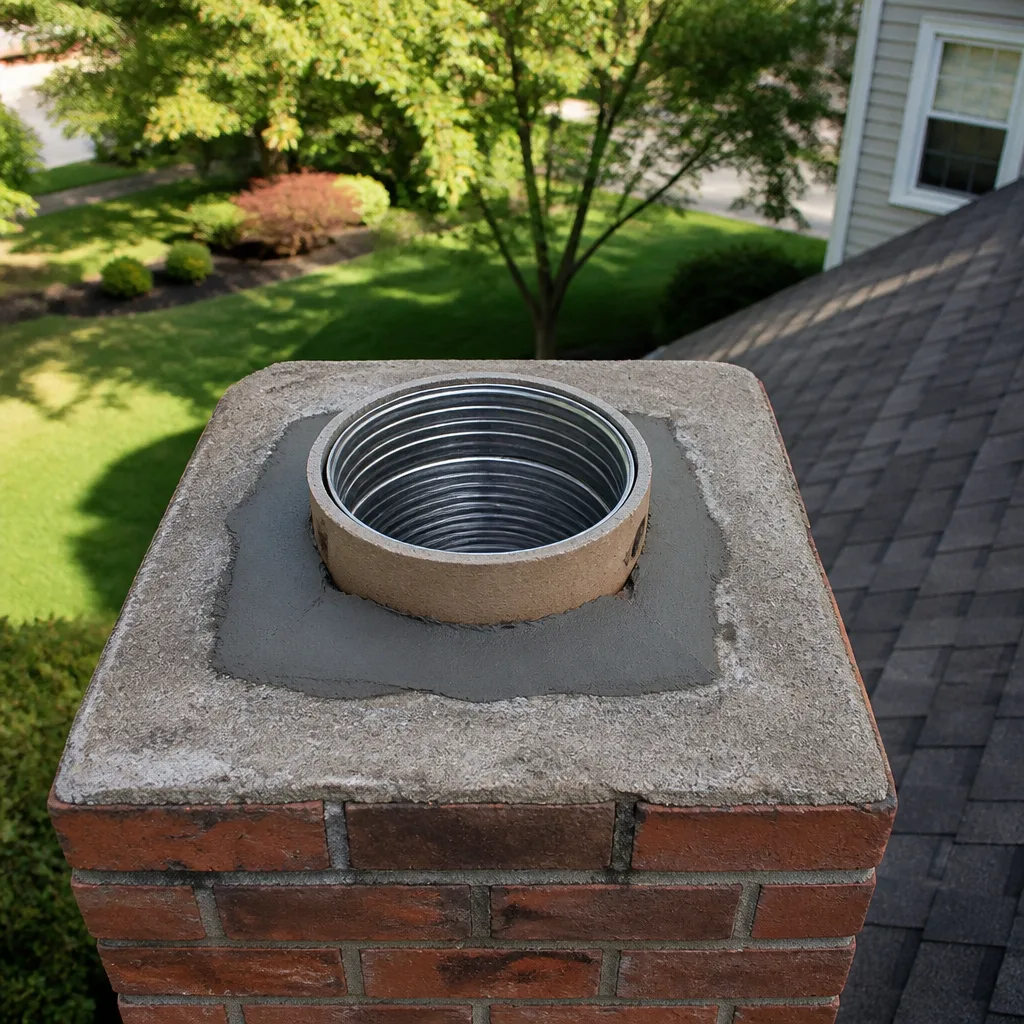 Flue relining
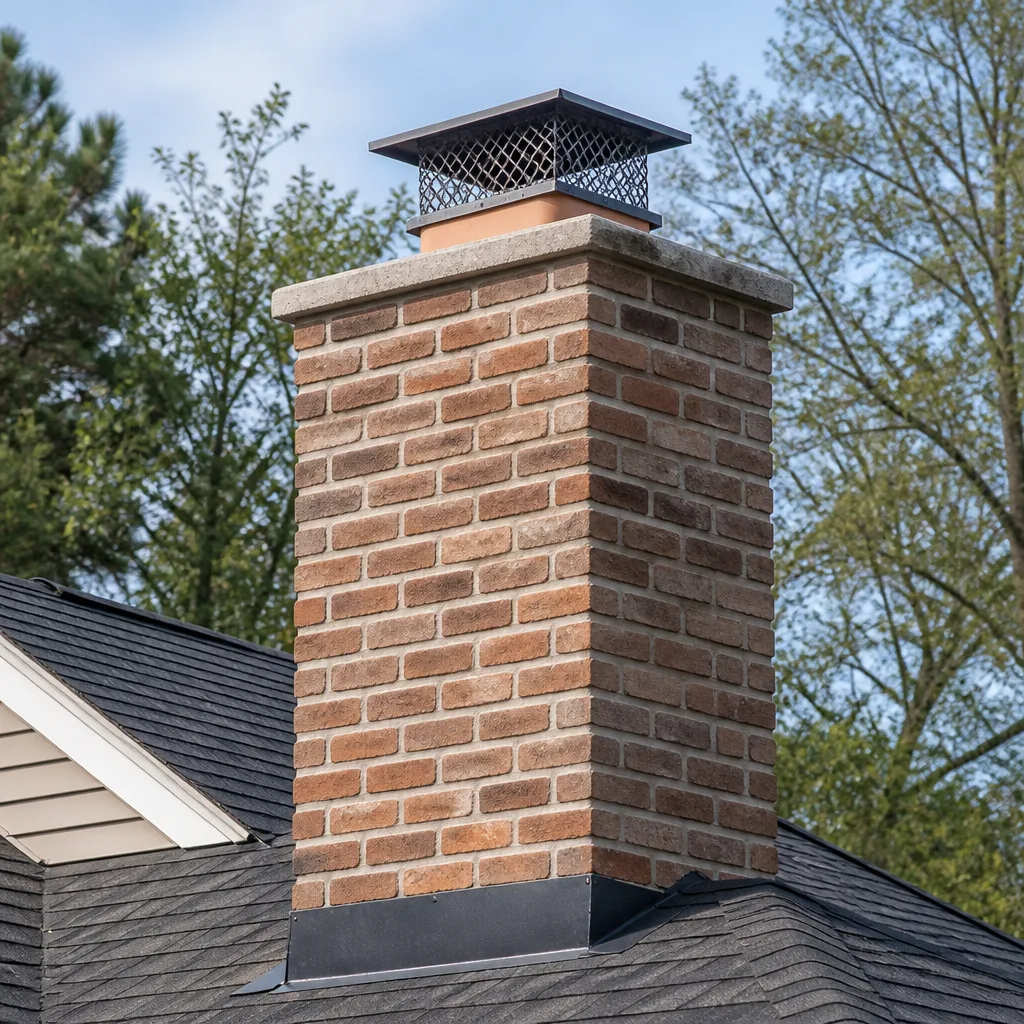 Masonry repair
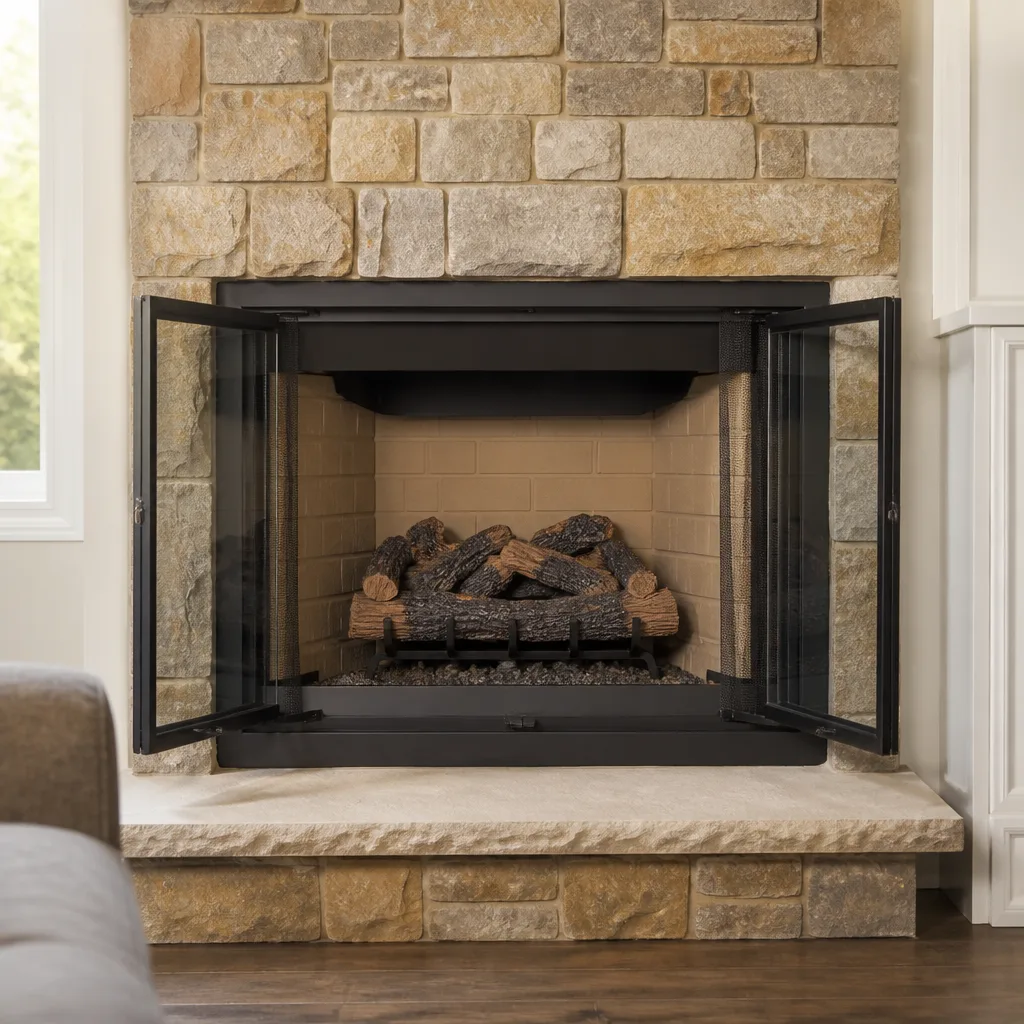 Gas fireplace service
Level 1 sweep and inspection to the NFPA 211 annual standard - flue, crown, cap, and flashing checked and photographed
Chimney sweep logs do not sweep chimneys. They loosen some creosote - which then falls where a brush and vacuum still have to collect it.
DIY vs Professional Chimney Cleaning: The Houston Homeowner’s Decision Guide
You can buy a chimney brush kit for $60 and clean your own flue. What you can’t do is hand your insurance adjuster a selfie as proof of a pre-fire inspection. That’s the real line in Houston, and it’s not about skill. It’s about liability, documentation, and what actually happens when something goes wrong six months after the fire dies down. This guide walks through exactly what a DIY job accomplishes, where it stops, when a professional is non-negotiable, and what the actual cost difference looks like in the Houston market. For more on this topic, see our How to Hire a Chimney Cleaning Contractor in Houston: A Step-by-Step Guide.
Styles & brands we work with
Quick Answer
DIY chimney cleaning makes sense for a narrow set of Houston homeowners: those with a gas fireplace used fewer than 10 times per season and a flue that is visually clean with no Stage 2 creosote. Professional chimney cleaning is non-negotiable when you need documentation for an insurance claim or home sale, when any Stage 2 or glazed creosote is present, or when there is any structural concern you can’t see without a camera. The professional route also carries a written warranty, which a brush kit does not.
Table of Contents
- What DIY Chimney Cleaning Actually Accomplishes
- When DIY Is Genuinely Sufficient
- When Professional Service Is Non-Negotiable
- The Real Cost Comparison in Houston
- The Documentation Gap: What a Professional Inspection Produces
- Houston Climate and Chimney Risk: What Actually Happens Here
- What a Professional Sweep Includes, Step by Step
- Common Mistakes to Avoid
- When to Call a Professional
- Frequently Asked Questions
- The Bottom Line
What DIY Chimney Cleaning Actually Accomplishes
A DIY chimney cleaning removes Stage 1 creosote from the accessible sections of the flue. Stage 1 creosote is the light, sooty, flaky deposit that forms when wood smoke cools and condenses on the chimney wall. It brushes off with a wire or poly brush. If your flue has a straight run and you can reach it from the firebox or the roof, a brush kit will pull a meaningful amount of that material out. That part of the job is not complicated. We’ll say it plainly: the physical act of brushing a flue is learnable, and plenty of Houston homeowners do it safely.
Where DIY stops is at the exact same point a professional sweep would stop. A brush removes loose surface deposits. It does not remove Stage 2 creosote, which is the hard, shiny, tar-like glaze that bonds to the flue wall. Stage 2 requires rotary cleaning heads or chemical treatment. It does not remove Stage 3 creosote, which is a dense, fuel-rich glaze that sometimes must be addressed with a HeatShield resurfacing system rather than mechanical brushing. A brush also cannot tell you whether the flue liner behind the creosote has cracked, whether the mortar joints have opened up, or whether the chimney crown is spalling. Those conditions are invisible to the homeowner standing at the firebox with a flashlight.
In Houston, we see a specific pattern: homeowners who use their fireplace only in December and January will often have a flue that looks clean from the bottom but carries a thin glaze near the smoke shelf, where the airflow changes direction and creosote cools fastest. That’s a stage between what a homeowner can see and what a camera inspection will find. It’s also the stage where a DIY clean can leave enough material behind that a chimney fire remains possible even after the visible soot is gone.
When DIY Is Genuinely Sufficient
There are two scenarios in Houston where we will tell a homeowner, without hesitation, that a DIY clean is a reasonable choice. The first is a gas fireplace used fewer than 10 times per season with a visually clean flue. Gas combustion produces water vapor and a very fine soot, not the tarry creosote that wood produces. If the fireplace is vented properly and the flue shows no buildup when you look up from the firebox with a flashlight, the risk from creosote is minimal. The bigger risk with gas units is carbon monoxide from a blocked or leaking flue, which is not something a brush addresses anyway.
The second scenario is a wood-burning fireplace that has not been used since the last professional sweep and shows no visible change. If you had the chimney swept last season, used it twice, and the flue interior still looks clean and dry, a DIY touch-up with a brush can maintain that condition between professional inspections. That’s a maintenance interval, not a replacement for inspection.
What both scenarios share is information. You are only making a sound DIY decision if you actually know what you are looking at. Most Houston homeowners do not have a camera that can see the full flue length, and the human eye from the firebox cannot assess the top 10 feet of a chimney. That’s the honest limitation. We sell professional chimney service in Houston, but we also answer phones from people who just want to know whether they need us. Sometimes the answer is no. This page is the same answer, written down.
When Professional Service Is Non-Negotiable
There are four scenarios where a professional chimney sweep in Houston is not a judgment call. It is a requirement.
First, any home sale. A buyer’s inspector will flag the chimney and ask for a Level 2 inspection, which includes a camera run and a written report. A seller’s last DIY brush session does not satisfy that. If you are selling a home in Houston, Kildeer, or any of the surrounding communities, you will eventually need documentation that only a professional inspection produces.
Second, insurance documentation. After a chimney fire or a claim involving the fireplace, an adjuster may require a certified inspection report. A selfie with a brush doesn’t count. The report needs to describe the flue condition, the creosote stage if present, and any recommended repairs, signed and dated.
Third, any Stage 2 or Stage 3 creosote. If the flue interior is shiny, glazed, or black and crusty, brushing will not remove it safely. Rotary cleaning tools spin at high speed and knock glaze off the flue wall. A homeowner using a hand brush will either accomplish nothing or, worse, dislodge a patch of glaze enough to create an uneven surface that collects more creosote faster.
Fourth, any structural concern. Cracked flue tiles, spalling brick, a damaged crown, a rusted damper, water staining on the ceiling near the chimney, or any sign of animal entry. These conditions require a camera inspection and often a chimney repair in Houston. A brush treats the symptom of buildup; it does nothing for the cause of a failing chimney.
The Real Cost Comparison in Houston
The DIY route is not free. A brushed kit runs $50 to $80 at a Houston hardware store. You’ll also want a ladder, a drop cloth, a dust mask, and safety glasses if you don’t already own them. Figure on three hours of labor for a first-time DIY cleaner who does it carefully and cleans up afterward. That labor includes roof access if you choose to work from the top, which introduces fall risk that we’ll address later.
A professional chimney sweep in Houston typically runs $180 to $340 for a standard single-flue clean with no repairs. See our Chimney Cleaning Cost Breakdown: The Houston Homeowner’s Reference for 2026 for a detailed breakdown. That price includes the labor, the equipment, the disposal of the creosote, and a written report. The report is the part of the service that has lasting value. The sweep itself removes material that will accumulate again. The report documents the condition of the flue, the firebox, the damper, the cap, and the crown on a specific date.
Here’s the line-item view:
- DIY brush kit: $50 to $80, one-time purchase
- DIY time: Roughly three hours, including setup, brushing, cleanup, and roof or firebox access
- Professional sweep, Houston average: $180 to $340, flat rate before work begins
- Professional inspection report: Included with the sweep
- DIY warranty: None
- Professional warranty: 365-Day Done Right Promise on any repair, written guarantee for one full year
The cost comparison changes when the flue has Stage 2 creosote. A homeowner with a brush kit will either fail to remove it or spend a full day trying. The professional brings rotary equipment and a chemical treatment, and the price reflects the additional labor. A homeowner who buys a brush kit, discovers glaze they can’t remove, and then calls a professional has paid twice: once in time and once in the service call. That’s why the decision starts with knowing what’s actually in the flue, not with a trip to the hardware store.
The Documentation Gap: What a Professional Inspection Produces
A professional chimney inspection in Houston produces a written report that names the condition of each component of the chimney system. The flue liner gets a written assessment, by material type and by condition. The smoke chamber, the firebox, the damper, the cap, the crown, and the flashing each get a line-item observation. A camera run records images or video of the flue interior at the time of the inspection.
That report matters in three specific moments. The first is an insurance claim. If a chimney fire or a house fire involving the fireplace occurs, the insurer will ask when the chimney was last inspected and by whom. A written report from a professional sweep is evidence of maintenance. A homeowner’s memory of brushing the flue is not.
The second is a home sale. Houston real estate contracts typically include an inspection contingency, and a chimney flagged by a home inspector will require a follow-up from a chimney professional. A seller with a recent inspection report can answer the objection immediately. A seller without one faces a negotiation at best and a failed sale at worst.
The third is a repair warranty. If a flue liner is replaced with a DuraFlex system, the manufacturer’s warranty documentation typically requires installation by a professional and an inspection record. A DIY clean doesn’t void a liner warranty by itself, but it also doesn’t establish the maintenance history that some claims require. The written record is part of the asset.
In our experience, Houston homeowners are most likely to need this documentation when they are not expecting it. A water leak appears two years after a clean. A foundation shift opens a mortar joint. A neighbor’s chimney fire prompts an insurance review. In each case, the homeowner who has a dated report from a professional sweep answers with a document, not a story.
Houston Climate and Chimney Risk: What Actually Happens Here
Houston’s climate does specific things to chimneys. The city’s freeze-thaw cycle is not as severe as the Midwest, but it exists. Winter fronts drop temperatures below freezing, sometimes for multiple nights, and then the Gulf humidity returns. Water that has seeped into mortar joints freezes, expands, and opens the joints slightly. Repeated cycles create slow damage that is invisible from the ground and irrelevant until it isn’t.
Humidity is the bigger factor. A Houston chimney that goes unused from March through November sits in humid air for eight months. Creosote absorbs moisture. Absorbed moisture expands the creosote and accelerates corrosion of metal components like the damper and the cap. By the time a homeowner in Memorial or Pearland lights a fire in December, the flue has been through a long wet season that no brush kit addresses. Our Seasonal Chimney Cleaning Care for Houston: Year-Round Homeowner’s Guide covers how to manage these cycles.
Chimney fires in Houston do not look like the videos from colder climates. They are often smaller, slower, and less obvious. A small fire in the lower flue can burn itself out and leave a cracked flue tile that the homeowner never sees. That’s the most dangerous kind, because the next fire vents through the crack into the chimney chase or the surrounding structure. A visual check from the firebox will miss a crack 15 feet up the flue. A camera inspection will find it.
This is why the Houston version of this decision is not about whether a homeowner is capable of brushing a flue. It’s about whether the homeowner can see the entire flue and document what they saw. A brush kit does the first task. It does not do the second.
What a Professional Sweep Includes, Step by Step
Here is the sequence of a professional chimney sweep in Houston, as we run it at Flint Chimney Co Houston. Homeowners who are deciding between DIY and professional should know exactly what the professional route includes.
- Interior protection. Drop cloths are laid from the entry door to the fireplace. The firebox opening is sealed with plastic sheeting and tape before any brushing begins. A vacuum with a HEPA filter runs during the entire sweep to control dust.
- Flue inspection. The technician runs a camera from the firebox to the top of the flue. The homeowner sees the footage. If the flue is clean enough for a simple sweep, the technician says so. If there is Stage 2 creosote or structural damage, the technician says so before any cleaning begins.
- Mechanical brushing. A brush sized to the flue diameter is run from the firebox up or from the roof down, depending on the chimney configuration. The goal is removal of all Stage 1 creosote from the flue walls.
- Smoke chamber and firebox cleaning. The smoke chamber, the angled area above the damper, is brushed and vacuumed. The firebox is cleaned of ash and debris.
- Component check. The damper is opened and closed. The cap is checked from the roof. The crown is inspected for cracks. The flashing is checked for gaps.
- Report. The technician writes a line-item report covering the flue condition, the creosote stage before and after, and any recommendations. The homeowner gets a copy on the spot.
The price for this service in Houston is written before any work starts. That’s the Garrison Standard, the same code every Garrison Partners location follows. Not all chimney companies in Houston work this way. Some quote a low number on the phone and then find problems once they’re inside. We have answered too many calls from Houston homeowners who went through that exact experience to run our business the same way.
Common Mistakes to Avoid
- Brushing a glazed flue with a hand brush. Stage 2 creosote is hard and shiny, and a hand brush glides over it. The homeowner thinks the flue is clean because the brush came back without soot. The glaze is still there, and it is still fuel.
- Cleaning from the roof without a safety harness. Houston roofs are steep, and many are tile or metal, both slippery. A fall from a single-story roof is enough to kill or disable. If you are doing DIY work on a roof, use a harness tied off to a roof anchor, or work from the firebox with a brush kit designed for bottom-up cleaning.
- Not inspecting the flue before brushing. If the flue liner has a crack and the homeowner brushes over it, the brushing can widen the crack or dislodge a flue tile. The correct sequence is always inspection first, then cleaning. That’s true for a professional and it’s true for a homeowner.
- Assuming a gas fireplace never needs attention. Gas units produce less creosote but they produce carbon monoxide if the flue is blocked by a bird nest or a storm-debris plug. A blocked gas flue is a carbon monoxide risk, not a chimney fire risk. The visual check matters as much as it does for wood.
- Skipping the report. A homeowner who does a careful DIY clean and then has a chimney fire has no documentation to show the insurer. The fire will become a dispute about maintenance, and the homeowner will lose it. The brush kit doesn’t come with a paper trail.
- Hiring the cheapest sweep in Houston. A low-ball chimney sweep often makes the money back on “necessary” repairs discovered after the clean begins. If the price changes at the door, the price was not the price. Ask for a written quote before any work starts, and if the company won’t provide one, call a different company.
When to Call a Professional
Call a professional if you see any glaze in the flue, if you are selling a home, if you are filing or responding to an insurance claim, if you smell a chemical or campfire smell coming from the fireplace when it’s not in use, or if water has ever leaked near the chimney. Also call if your fireplace has not been inspected in three years or more, regardless of how often you use it. A flue can degrade while the fireplace sits idle, especially in Houston humidity.
Flint Chimney Co Houston offers free estimates in Houston. Call (325) 750-6259 and a live person will answer. If you decide to proceed, you’ll get a written price before any work begins. That part is not negotiable. We’ve been part of the Garrison Partners family since 2002, and the Garrison Code applies on every job: written price, written scope, written guarantee.
Frequently Asked Questions
A standard chimney sweep in Houston typically costs between $180 and $340 for a single flue with no repairs. The price depends on the flue condition, the creosote stage, and the height and accessibility of the chimney. At Flint Chimney Co Houston, the price is always written before any work starts. Call (325) 750-6259 for an exact quote. Estimates are free.
A wood-burning chimney should be swept after every cord of wood burned, or at least once per burning season. A gas fireplace should be inspected annually, even if it’s used only a handful of times. Houston’s humidity accelerates corrosion and creosote moisture absorption during the long unused season, so an annual inspection is the sound baseline for most homes in the city.
Yes, if the flue is straight, accessible, and contains only light Stage 1 creosote, and if you are comfortable working from the firebox with a brush kit. A DIY clean is not sufficient if the flue has glazed creosote, cracked tiles, or any structural concern. Those conditions require a camera inspection and, in many cases, a professional repair. Call (325) 750-6259 to ask about what you’re seeing before you decide.
It doesn’t void your policy by itself, but it also doesn’t produce the documentation an insurer will ask for after a fire. If a chimney fire occurs and you are asked when the chimney was last inspected by a professional, a DIY clean is not a professional inspection. The documentation gap is the strongest argument for a professional sweep at least every other season in Houston.
Stage 2 creosote is a shiny, hard, tar-like glaze that forms when wood smoke condenses quickly and deposits on the flue wall. It looks like black glass rather than flaky soot. You can sometimes see it by shining a strong flashlight up from the firebox, but the upper flue is usually only visible with a camera. If you see any glossy black surface, do not attempt to brush it. Call a professional. The glaze requires rotary cleaning, not hand brushing.
Yes. Every professional sweep we perform at Flint Chimney Co Houston includes a camera inspection of the flue before and after cleaning, a check of the damper, cap, crown, and flashing, and a written report. The report is the part of the service that holds value over time. It’s your proof of maintenance for insurance and for any future home sale. Call (325) 750-6259 to book, and you’ll get the written price before the work begins.
The Bottom Line
The Houston decision between DIY and professional chimney cleaning is not a contest of skill. It’s a question of what you need the job to prove. A $60 brush kit removes loose soot from the flue. It does not produce a written report, a camera record, a warranty, or a document that will satisfy an insurer or a buyer. For a gas fireplace used lightly and a visually clean flue, DIY is defensible. For a home sale, an insurance claim, any glazed creosote, or any structural concern, professional service is the only option that protects you. Flint Chimney Co Houston has been serving Houston since 2002 under the Garrison Standard: written price, written scope, written guarantee. Call (325) 750-6259 for a free estimate.
Written by Hank Delano, Owner at Flint Chimney Co Houston, serving Houston since 2002.
See the difference
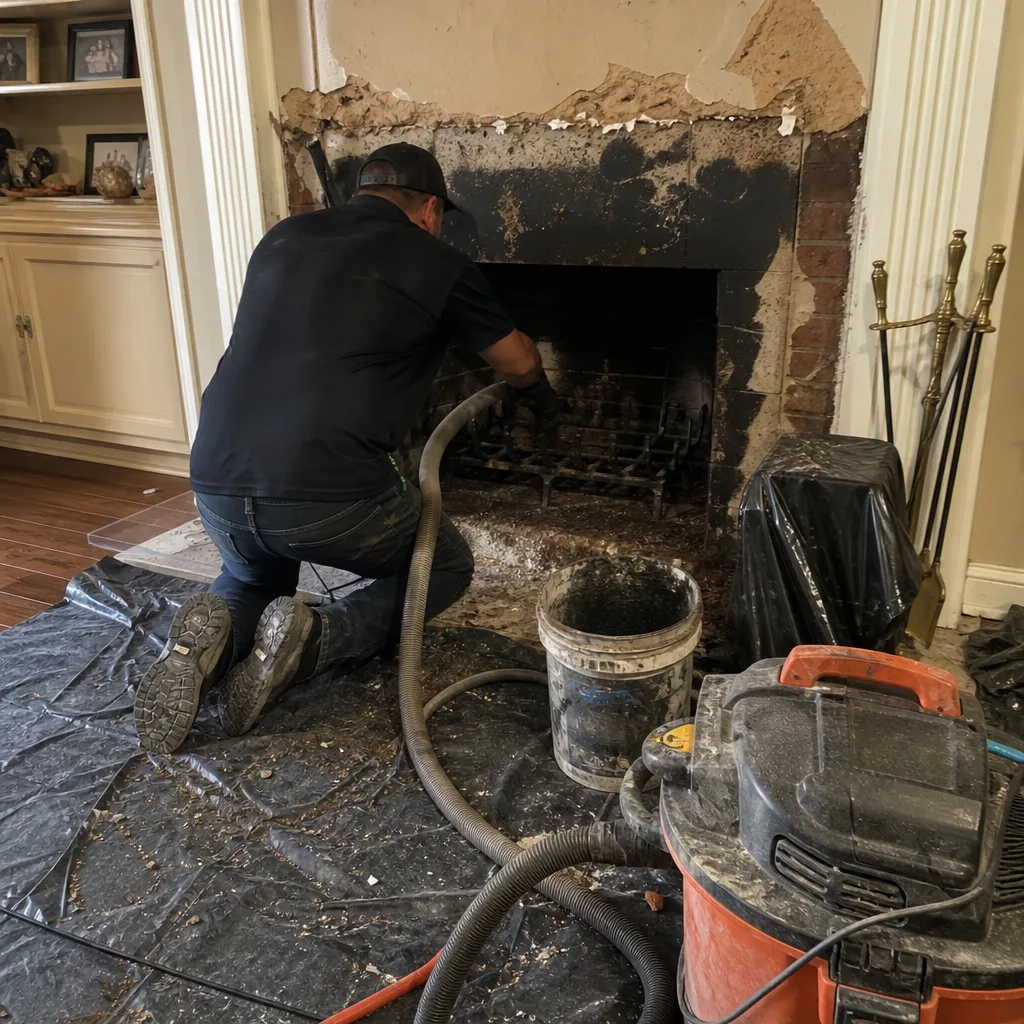 Before
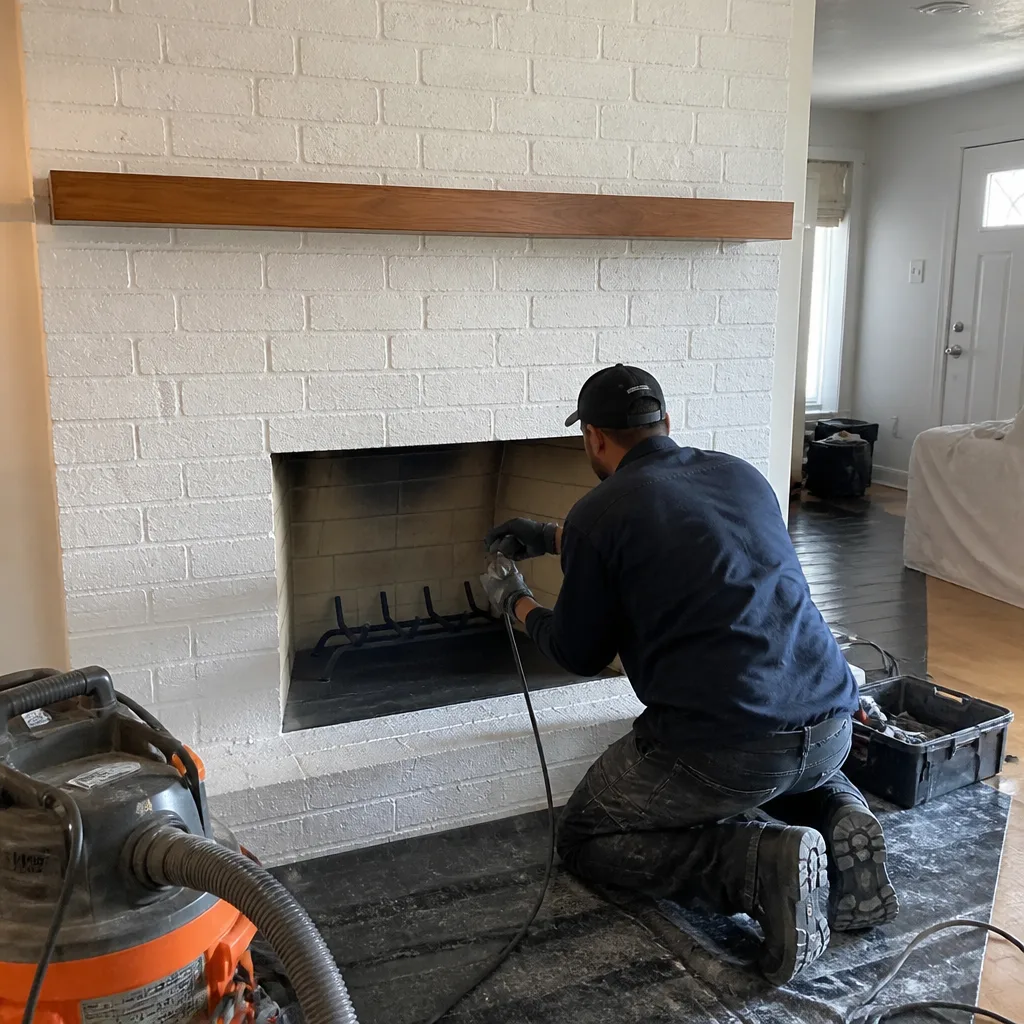 After
After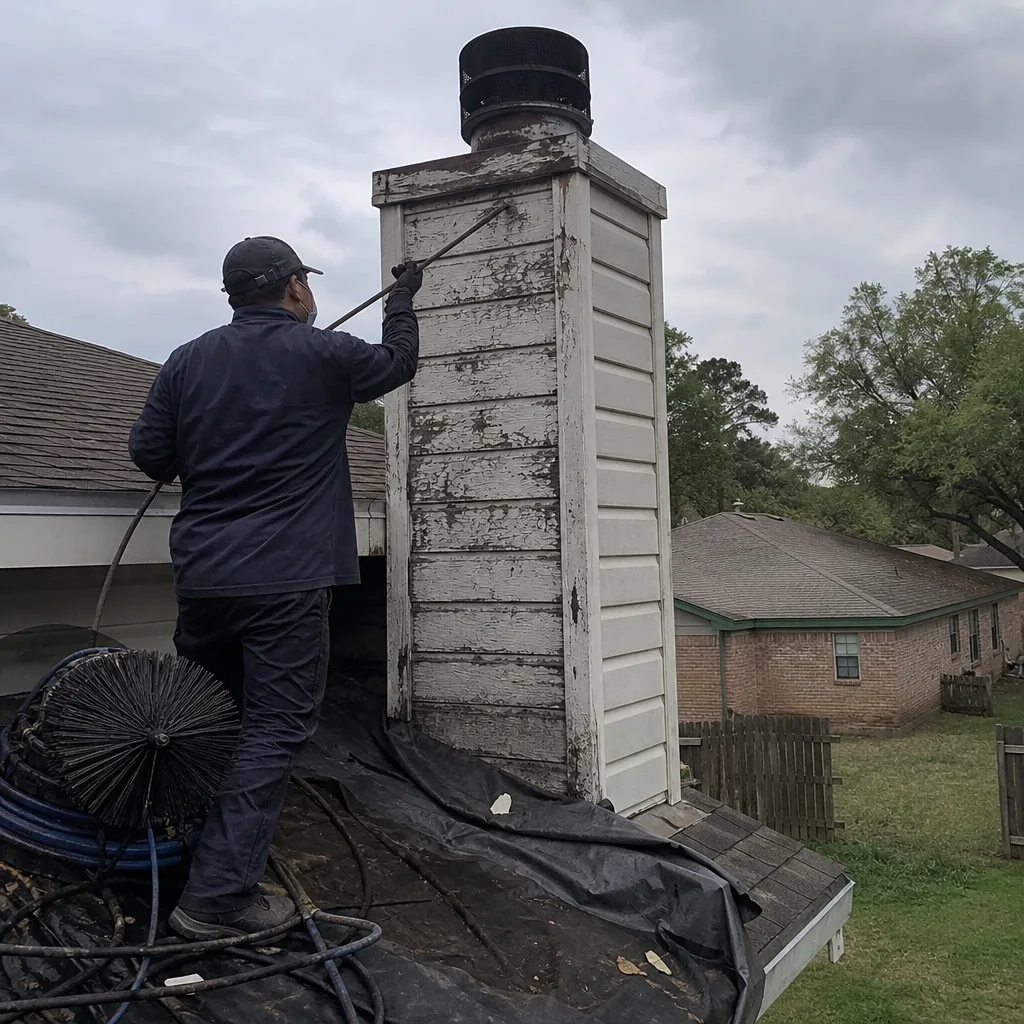 Before
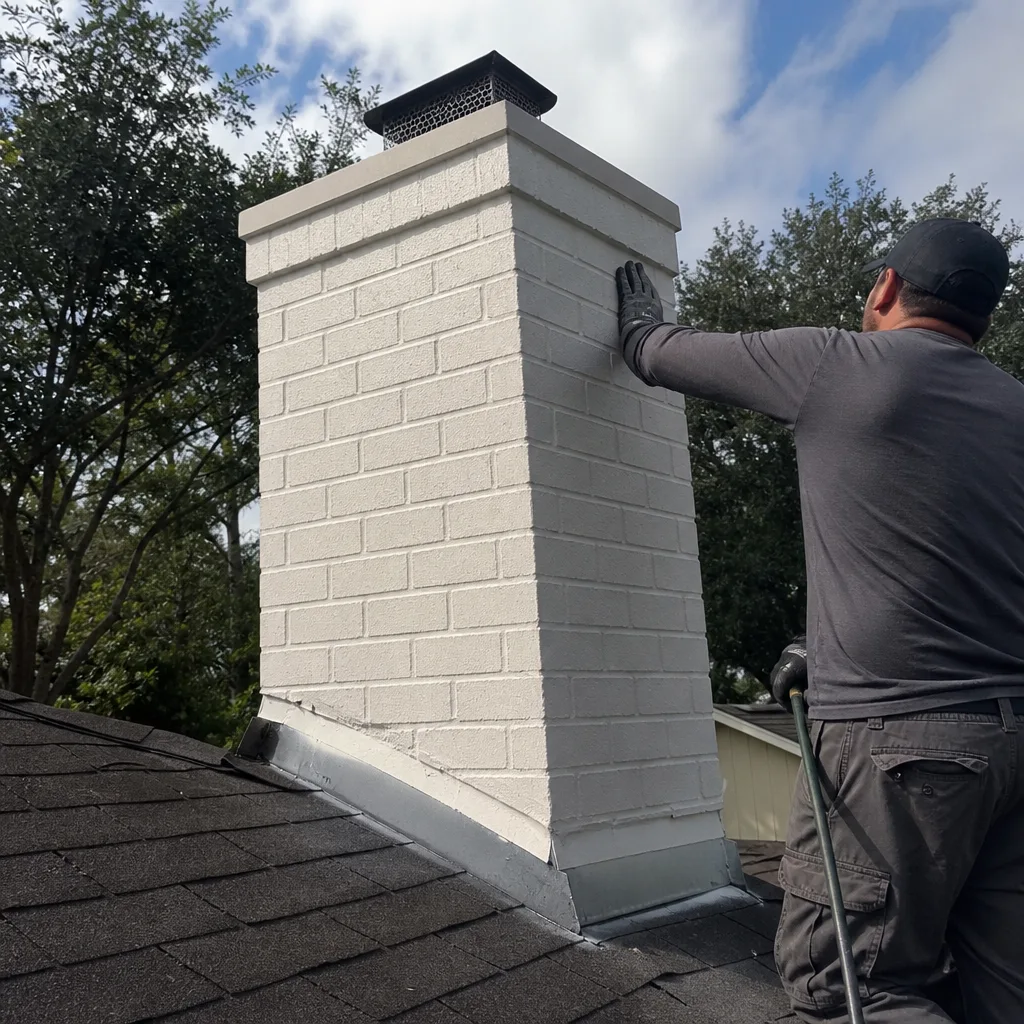 After
After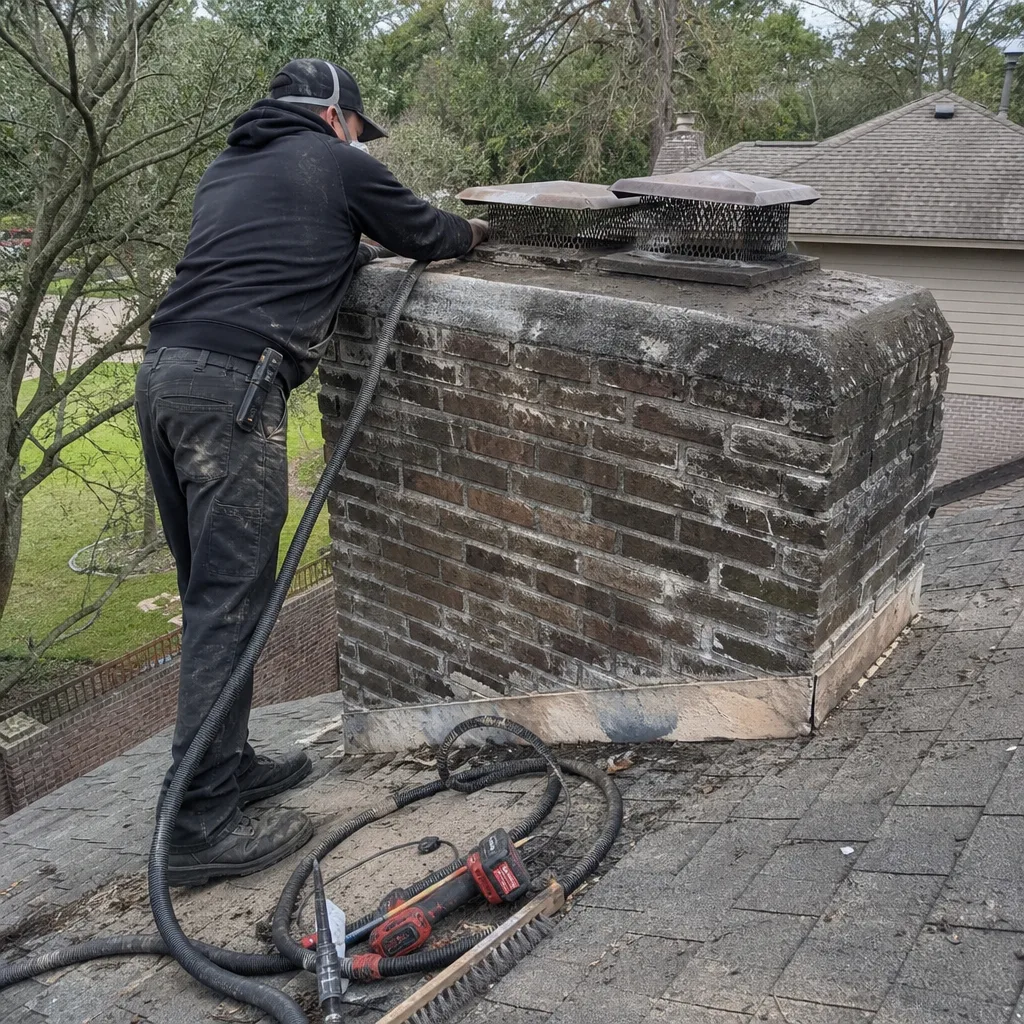 Before
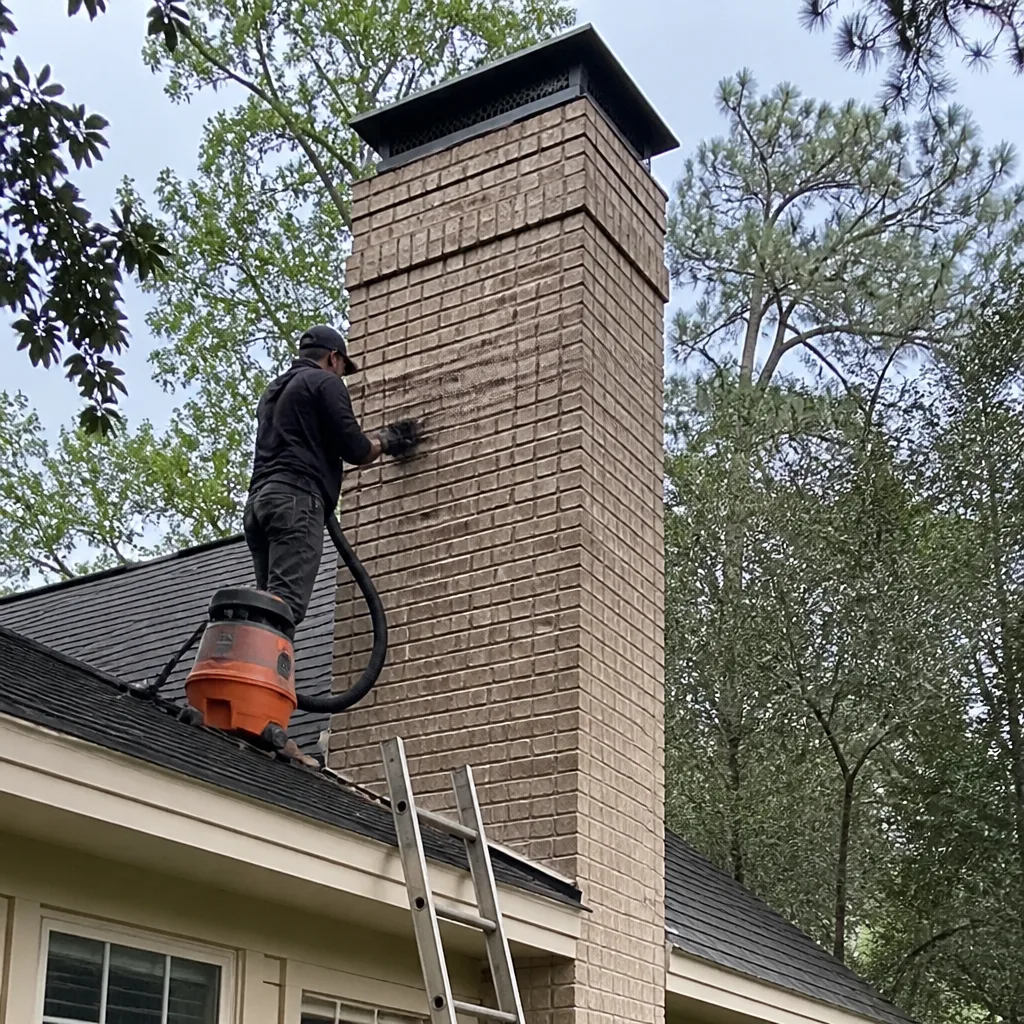 After
After