
Last updated October 15, 2026
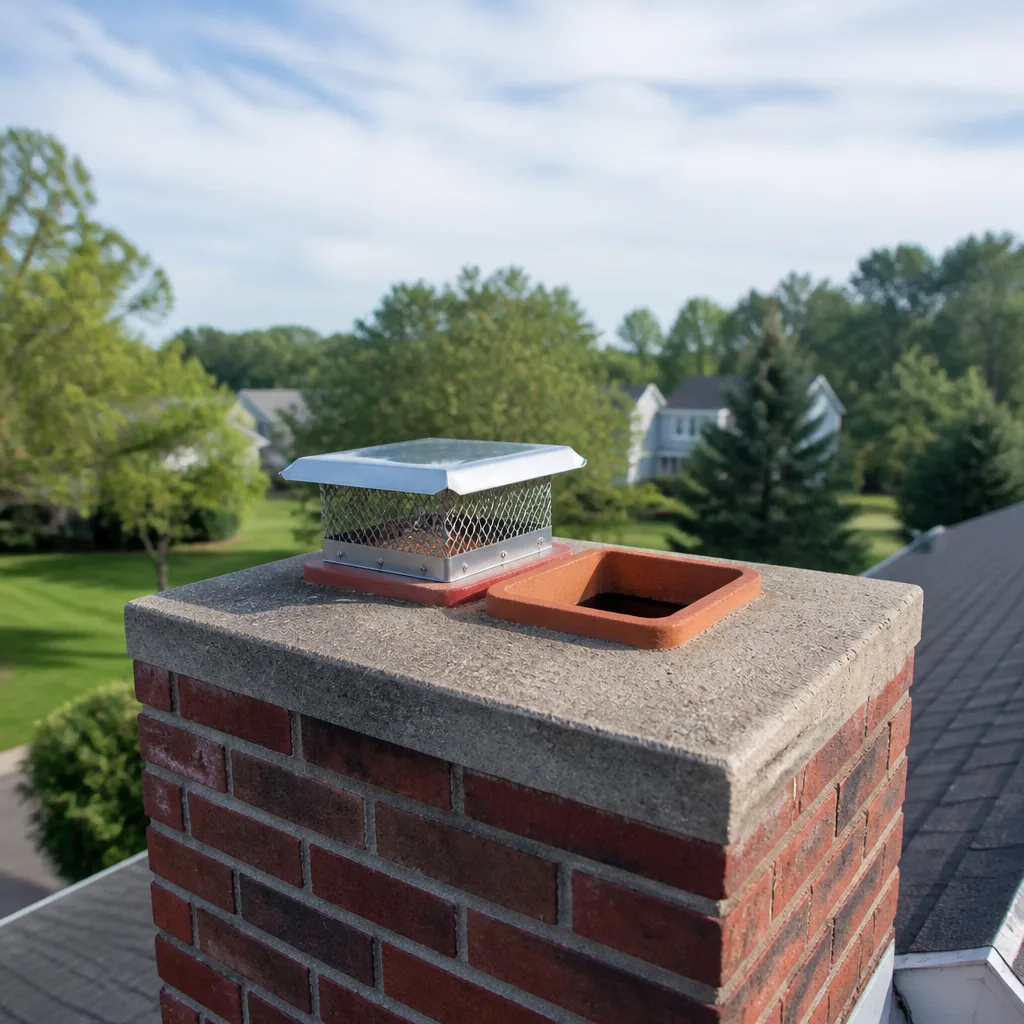 Sweep & inspection
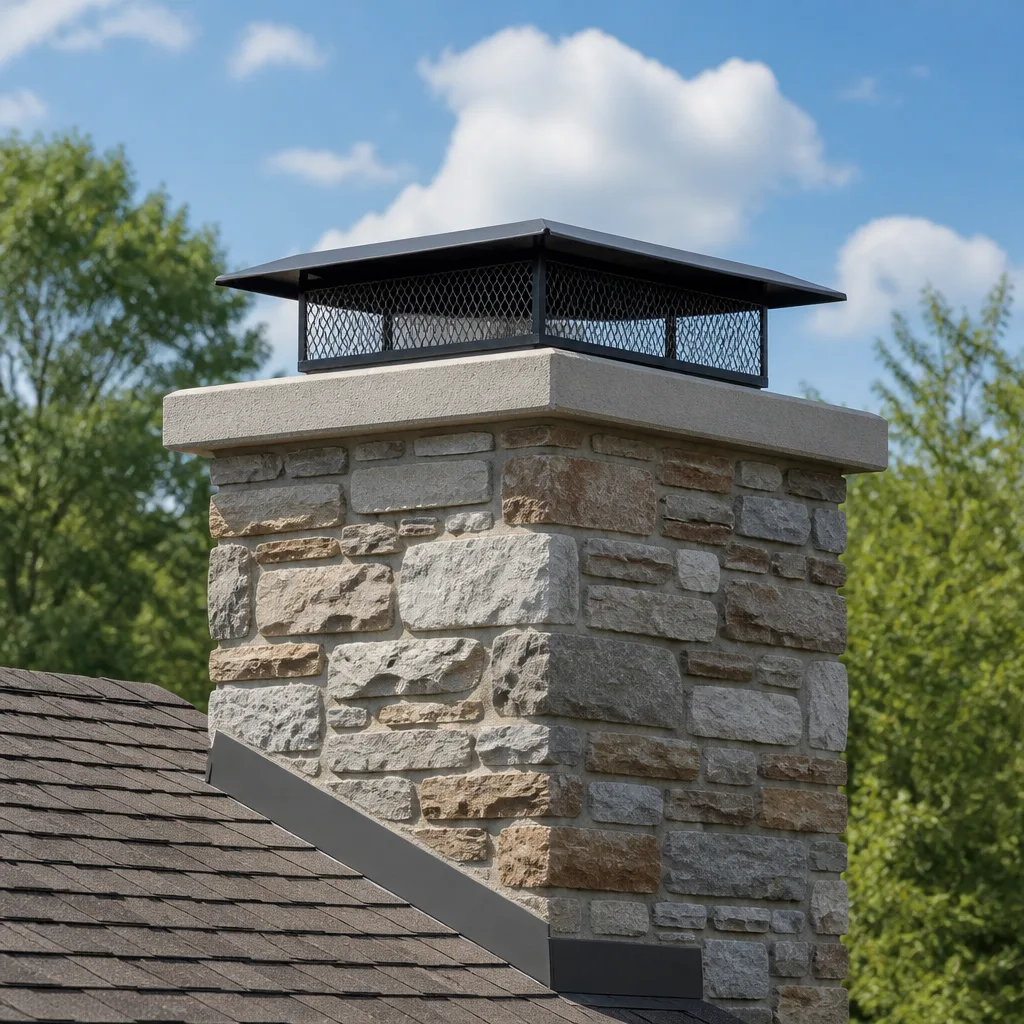 Caps & crowns
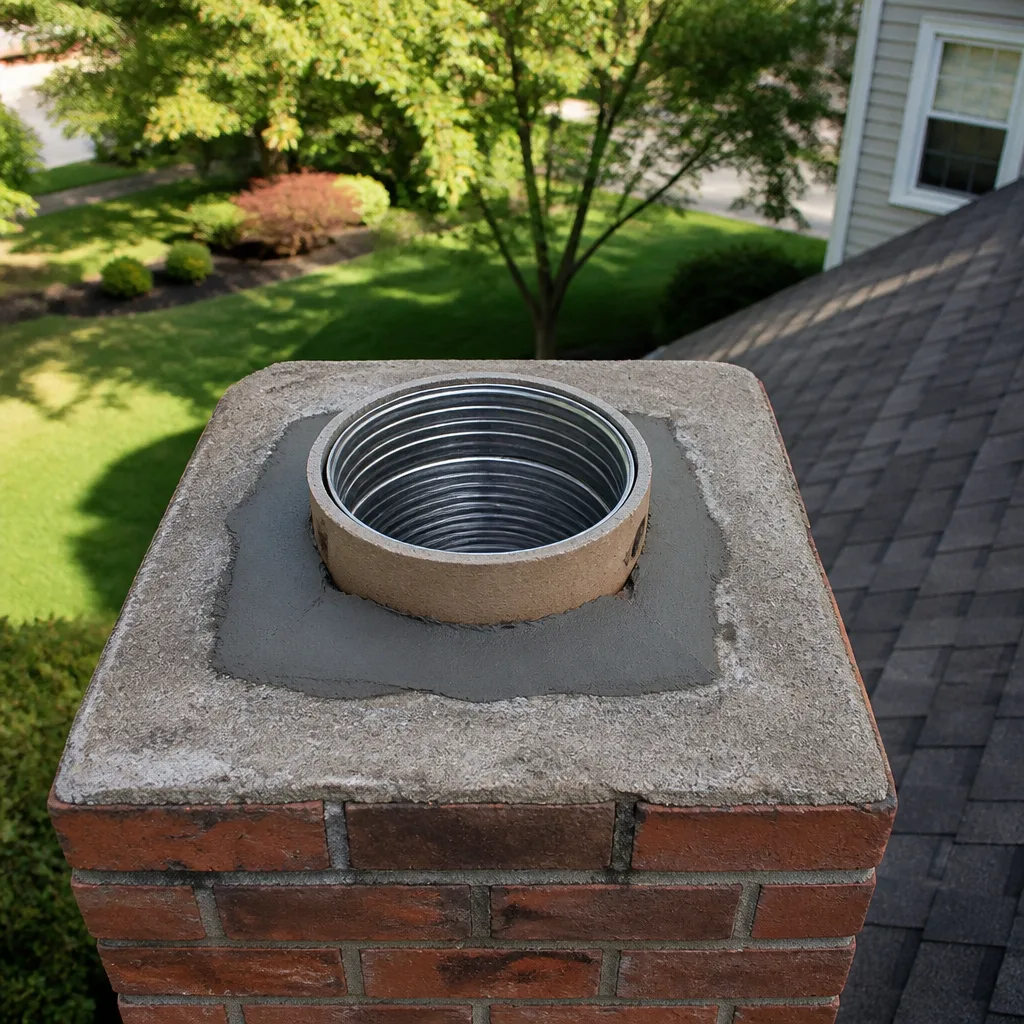 Flue relining
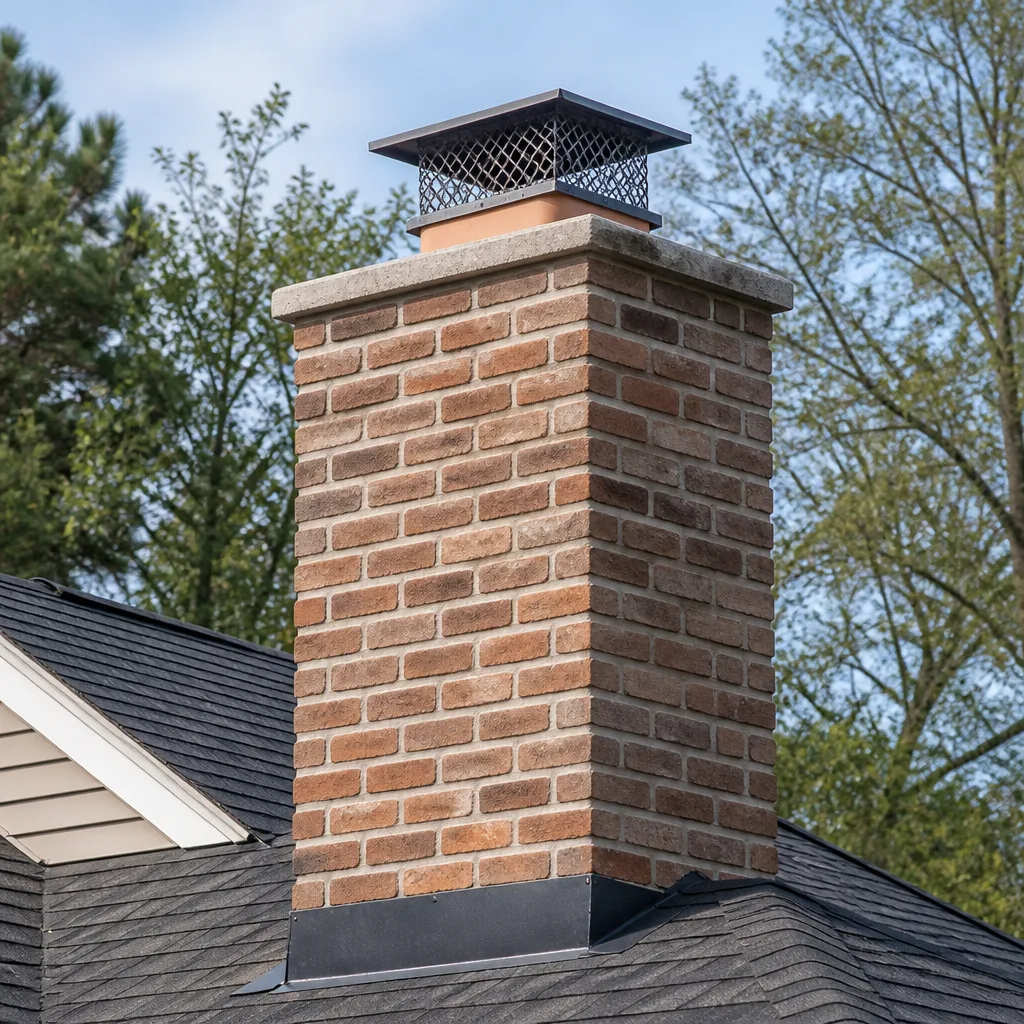 Masonry repair
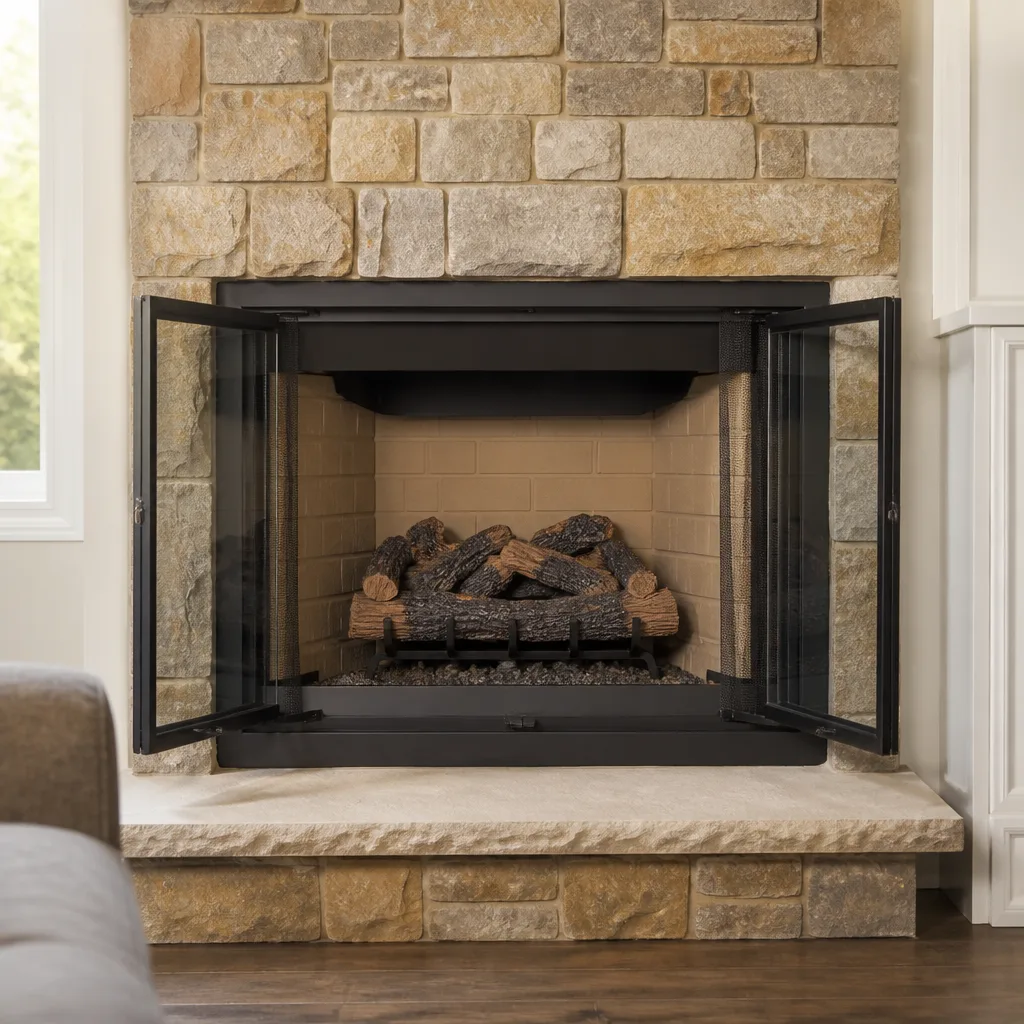 Gas fireplace service
Level 1 sweep and inspection to the NFPA 211 annual standard - flue, crown, cap, and flashing checked and photographed
Chimney sweep logs do not sweep chimneys. They loosen some creosote - which then falls where a brush and vacuum still have to collect it.
Chimney Sweep Maintenance Checklist for Houston Homeowners
The most dangerous time for a Houston chimney isn’t December. It’s October, when the first cold front drops the temperature enough to justify a fire, and a flue that’s been sealed since February gets asked to do its job again without anyone having looked inside. In our experience, that first fire is when hidden problems announce themselves, sometimes with smoke rolling back into the living room, sometimes with something worse. This guide gives Houston homeowners a maintenance calendar built around the city’s actual burn season, not a generic national template. You’ll learn what to check each month, what you can see with your own eyes, what requires a camera and a trained Chimney Sweep, and how to keep a service record that makes every future decision easier.
Styles & brands we work with
Quick Answer
A Houston chimney maintenance checklist works best as a year-round schedule with two distinct phases: active-season checks from November through February (smoke behavior, glass doors, damper operation) and off-season inspections from March through October, when the real work happens. The off-season is when you catch animal nests, moisture damage at the crown, and creosote buildup that hardened over summer. A professional chimney sweep in Houston should inspect and clean at least once per year, ideally in late summer or early fall, before the first burn.
Table of Contents
- Why Houston Needs a Different Checklist
- The Houston Burn Season Calendar
- Month-by-Month Maintenance Tasks
- What Homeowners Can Visually Inspect
- What Requires a Professional Camera
- Documentation Habits That Protect Your Home
- Off-Season Damage: What to Fix Now vs. What Can Wait
- Common Mistakes to Avoid
- When to Call a Professional
- Frequently Asked Questions
- The Bottom Line
Why Houston Needs a Different Checklist
Most chimney maintenance checklists online are written for houses in Ohio or New Hampshire, where fires burn from October through April and the flue does continuous work for half the year. Houston is different. A fireplace in Houston runs from roughly mid-November to late February, maybe 15 to 25 burns total depending on the winter. The other nine months, the chimney sits idle. That changes the risk profile entirely.
An idle chimney is not a safe chimney. During the long Houston off-season, three things happen with regularity. First, animals move in. Squirrels, birds, and raccoons find an uncapped or damaged chimney to be a weatherproof cavity, and what they build and leave behind can block the flue entirely. Second, moisture gets in. Houston’s humidity plus the city’s frequent heavy rain means a cracked crown or deteriorated mortar joint lets water into the brick-and-mortar matrix, where it slowly dissolves the structure from the inside. Third, creosote hardens. The soft, brushable creosote deposited by last season’s fires bakes in the Houston heat and becomes a hard, glassy layer that brushes can’t remove.
So the Houston checklist inverts the national version. Up north, you check the chimney before burning season and trust it through the winter. Down here, you check it during the long dormancy, because that’s when the damage accumulates. The burn season then becomes a monitoring period, not a preparation period.
The Houston Burn Season Calendar
Houston’s burn season is short but real. The first genuinely cold stretch usually arrives in November, and the last fireplace-worthy evening typically lands in late February. Within that window, most Houston homeowners burn between 10 and 25 fires, depending on personal tolerance and whether the house has central heat as the primary system.
Here’s the seasonal structure that should govern your maintenance thinking:
- November through February: active burn season. Weekly visual checks of smoke behavior, glass doors, and the area around the firebox. Monthly check of the damper for smooth operation.
- March: transition month. The last fire goes out, and the chimney begins its nine-month dormancy. Schedule a professional chimney inspection in Houston as close to the end of burn season as possible, while creosote is still soft and easy to remove.
- April through September: the long off-season. This is when the real maintenance happens: cap checks, crown inspection, animal intrusion prevention, moisture monitoring, efflorescence tracking.
- October: pre-season verification. The chimney should already be clean and repaired by now. October is for a final visual check and damper test, not a deep cleaning.
Thinking in these four blocks changes how you schedule. A March sweep means you’re removing this season’s creosote before summer heat bakes it hard, as explained in our Complete Guide to Chimney Cleaning in Houston. An October sweep means you’re paying more for a harder job and gambling that nothing found in October needs repair before the first fire.
Month-by-Month Maintenance Tasks
Here’s the task-by-task breakdown Houston homeowners should follow. Each task takes minutes. The point is consistency, not heroic effort.
November: First-Fire Safety Sequence
- Open the damper fully and look up with a flashlight. You’re checking for obvious blockage: a bird nest, a cluster of leaves, a fallen piece of masonry. If you see anything, do not light a fire until a professional clears it.
- Check the firebox for cracked firebrick or loose mortar joints. Small cracks are normal. Gaps wider than a quarter inch are not.
- Close the damper and reopen it twice. It should move freely and seal cleanly. A sticky damper is often the first sign of warping or rust.
- Check the chimney cap from outside. A missing or dented cap is an open invitation to every animal in the neighborhood.
- Light a small fire using seasoned hardwood only. Watch the smoke. It should draw up and out cleanly. Any smoke spilling into the room means the flue is blocked, the damper isn’t fully open, or there’s a draft problem.
December – February: Weekly Active-Season Checks
- Before each fire, glance at the damper. It should be fully open, and the handle should move without resistance.
- Watch the first five minutes of each fire. If smoke enters the room and doesn’t clear within a minute, stop the fire and call a sweep. This is not normal operation.
- After each fire, leave the damper closed once the fire is fully out. An open damper lets conditioned air escape all night.
- Once a month, check the glass doors for cloudy buildup. Heavy soot accumulation on glass after only a few fires means incomplete combustion and possibly wet wood.
- Listen for unusual noises. A crackling fire is normal. A rushing or roaring sound from inside the flue is not; that can indicate a chimney fire or a blocked draft.
March: End-of-Season Professional Sweep
- Book a professional sweep and inspection as soon as the burn season ends. This is the single most important maintenance action on the Houston calendar.
- A standard chimney sweep in Houston typically runs $180 – $340 depending on flue condition and accessibility. This price range covers the sweep itself: removal of creosote, soot, and any debris from the flue, smoke chamber, and firebox.
- Ask the technician to document findings. A written report with photos is the minimum you should accept.
- Start or update your service log. Record the date, the technician’s name, what was found, and what was done.
April – May: Animal and Moisture Check
- Inspect the chimney cap from the ground with binoculars. Look for gaps, rust, or signs of animals around the cap.
- Listen for scratching or chirping sounds from inside the wall near the fireplace. These sounds usually appear in spring when animals build nests.
- Check the exterior brick for white, powdery residue. This is efflorescence, a sign that water is moving through the masonry and depositing minerals on the surface. It’s an early warning, not a structural problem, but it means moisture is getting in somewhere.
- After heavy rain, look for damp spots on the ceiling near the chimney chase or on the wall surrounding the fireplace.
June – August: Hard Creosote Formation Period
- Do a visual check of the firebox. If you see any black, shiny, tar-like residue on the damper or the upper firebox walls, that’s creosote that has condensed and hardened. It will not come off with a brush and requires chemical treatment or rotary removal by a professional.
- Keep the damper closed. An open damper during Houston’s humid summer lets moist air circulate up the flue, which accelerates corrosion of the damper hardware and any exposed metal.
- Check the crown. From the roof or with a drone camera, look for cracks in the concrete crown at the top of the chimney. Hairline cracks widen over summer as the concrete expands and contracts in the Texas heat.
September – October: Pre-Season Verification
- Do a final end-of-summer inspection: damper operation, firebox condition, visible cap damage, any new efflorescence.
- If any professional work was done over the summer, verify the repair is holding. For example, if a crown was sealed in June, check it again in October after the hot season’s expansion and contraction.
- Stock the wood rack. Use only seasoned hardwood that has been split and dried for at least six months. Green or wet wood is the single biggest cause of creosote buildup in Houston fireplaces.
- Test-fire on a mild day. A short fire on a 60-degree October evening tells you everything is working before you actually need it on a 35-degree night in January.
What Homeowners Can Visually Inspect
You don’t need specialized training to catch many chimney problems before they become expensive. What you need is a flashlight, a pair of binoculars, and a willingness to look. Here’s what you can check yourself, and what you’re looking for.
The damper. Open it fully and shine a flashlight up. You’re looking for three things: smooth operation (no grinding or sticking), a clean seal when closed, and no visible debris resting on top of the damper plate. A damper that won’t seal wastes conditioned air year-round, and a damper that’s stuck closed makes the fireplace unusable the first cold night.
The firebox. Look at the firebrick that lines the sides and back. Hairline cracks are cosmetic and do not need repair. Gaps where mortar has fallen out entirely, or bricks that are loose when you press on them, require attention. The firebox is the last line of defense between the fire and your home’s framing.
The smoke chamber. This is the angled section above the firebox where smoke funnels into the flue. From inside the firebox, you can see the bottom edge of it with a good flashlight. Look for flaking or scaling, which indicates the refractory mortar is deteriorating.
The exterior chimney. Walk around the outside of your house. Look at the brick from top to bottom. You’re checking for: spalling (brick faces popping off), cracking in the mortar joints, efflorescence (the white mineral film that signals water intrusion), and any visible leaning or separation from the house.
The cap and crown. From the ground with binoculars, check that the cap is present, centered, and not rusted through. The crown is the concrete slab at the top of the chimney. Look for cracks radiating from the flue opening, chunks missing from the edge, or standing water visible on top.
What you cannot see from these vantage points is the inside of the flue. That requires a camera. But these visual checks catch roughly half the problems we find in Houston chimneys, and they cost nothing but ten minutes of your time twice a year.
What Requires a Professional Camera
There are things inside a chimney that no homeowner can see from any angle, no matter how good the flashlight. The flue interior, the full length of the smoke chamber, the hidden faces of the masonry, and the condition of the liner all require a professional video inspection. Here’s what a camera shows that your eyes can’t.
Creosote thickness and stage. Creosote comes in three stages. Stage one is a light dusting, stage two is a flaky brown or black accumulation, and stage three is a hard, glazed, tar-like coating. Removing stage three creosote requires chemical treatments, rotary chains, or both. A camera tells us which stage we’re dealing with before we choose a removal method, and it documents the condition so you can see it yourself.
Hidden flue blockage. An animal nest might sit ten feet up the flue, invisible from the firebox and invisible from the roof. A camera sees it immediately. We’ve found nests in Houston chimneys that were fully intact and abandoned, and others that were actively occupied. Knowing which one matters for how we handle it.
Liner damage. In a masonry chimney, the flue liner is the clay or metal tube that contains the heat and gases. Cracks in a clay liner, or a liner that has separated at the joints, is a serious finding because it means heat and combustion products can reach the surrounding masonry. A camera inspection is the only way to see this reliably. If the liner needs attention, flue relining (replacing the inner liner that channels smoke safely out of the house) may be necessary.
Hidden water damage. Water that enters through a cracked crown doesn’t always show up as a damp spot right away. It travels down inside the chimney chase, where it soaks insulation, rots framing, and corrodes the damper assembly before it ever becomes visible from the living room or the exterior. A camera can catch the early signs before the repair bill grows.
When we inspect a Houston chimney, we run the camera the full length of the flue and show you the footage. Nothing gets recommended that you can’t see for yourself. That’s the Flint Chimney Co Houston home standard, and it’s one of the reasons we get called after other companies have already come and gone.
Documentation Habits That Protect Your Home
A service log is the most underrated tool in chimney maintenance. It’s a simple record that costs nothing to keep and often determines whether a future problem gets handled for free or at full cost. Here’s how to keep one, and why it matters for Houston homeowners specifically.
What to record. After every chimney service, write down the date, the company name, the technician’s name, what was inspected, what was found, and what was done. Include any photos or video references. A simple notebook works fine. A digital note with photos attached works better.
Why it matters. When something goes wrong, you need to know what was documented before. For example, if a sweep notes in March that the crown has hairline cracks and recommends sealing, and you decline, that’s a decision point with a paper trail. If the crown fails in October and leaks into the attic, you have a record of when the problem was first flagged and what you were advised to do. That’s not about assigning blame, it’s about making informed decisions with full context.
Guarantee terms in plain words. When a company gives you a written guarantee, the log is what proves when the work was done and what was covered. At Flint Chimney Co Houston, every repair carries the 365-Day Done Right Promise: a written guarantee, valid for one full year from the service date. If a covered repair fails within that year, we return at no charge. No argument, no second opinion, no renegotiation. The log is what tells you whether a new problem falls inside that year or outside it.
Insurance documentation. If you ever need to file a claim for chimney damage, the insurance adjuster will want to see that the chimney was maintained. A service log showing annual inspections and cleanings is the difference between a claim paid and a claim denied. Houston homeowners dealing with storm damage know this well.
Off-Season Damage: What to Fix Now vs. What Can Wait
When a summer inspection turns up problems, the next question is always the same: how urgent is this? Here’s how to think about it, based on what we see in Houston chimneys year after year.
Fix immediately, before the next burn:
- Any blockage in the flue, including animal nests. A blocked flue is a carbon monoxide risk. Do not burn until it’s cleared.
- Stage three creosote. Hard, glazed creosote is a primary fuel source for chimney fires. This gets cleaned before the first fire.
- A cracked or separated flue liner. Heat and gases escaping through liner cracks can reach combustible materials. This is one of the few findings that makes a fireplace genuinely unsafe to operate.
- A damper that won’t open. Not a fire hazard on its own, but it makes the fireplace unusable, and you won’t know until the first cold night.
Can be scheduled in the next several months:
- Hairline crown cracks. These should be sealed, but if caught early, you have flexibility on timing. A sealant job is typically a few hundred dollars and an hour or two of work.
- Minor efflorescence. This is a symptom, not a problem, though it tells you moisture is moving through the masonry. Fix the source, and the efflorescence stops.
- Small mortar joint deterioration. Repointing a few joints is important but not urgent. This is standard masonry maintenance that every brick chimney needs eventually.
- Glass door clouding or minor hardware issues. Cosmetic and functional, but not a safety concern.
Can safely wait indefinitely:
- Spalling on an exterior corner with no structural compromise. If the brick face has popped off but the chimney is still sound, you have time. This is often a cosmetic issue in Houston’s older brick homes.
- Discoloration inside the firebox. Normal wear from burning. Not a defect.
- Small hairline cracks in firebrick. Cosmetic. The firebox is built to handle this.
The honest answer from a good sweep is often “this can wait.” When you hire us for an inspection, that’s what you’ll get. If the finding is urgent, we’ll show you the video. If it can wait, we’ll say so in writing. The chimney repair in Houston work we do is always documented, and you always know the price before anything starts.
Common Mistakes to Avoid
- Burning green wood. In Houston, wood that hasn’t been properly seasoned is the leading cause of rapid creosote buildup. Green wood burns cooler and produces more smoke, and that smoke condenses on the flue walls as creosote. Use only wood that has been split and dried for at least six months.
- Leaving the damper open all year. An open damper lets Houston’s humid air circulate through the flue, which accelerates rust on the damper hardware and can lead to musty smells in the firebox. Close it when the fire is fully out.
- Skipping the post-season sweep because “it wasn’t used much.” Even ten fires in a Houston winter produce creosote. If left through the summer, that creosote hardens into a much more difficult removal job. A March sweep is always cheaper and cleaner than an October one.
- Ignoring a missing chimney cap. A cap costs a couple hundred dollars to replace. Raccoons, squirrels, and birds in the flue cost more to remove and can cause blockage that makes the fireplace unsafe. In Houston, where squirrel pressure is year-round, a missing cap is the most common cause of animal intrusion we see.
- Assuming a masonry chimney is waterproof. Brick and mortar are porous. Without a crown that’s in good shape and mortar joints that are sound, water has a direct path through the masonry and into the house structure. Houston’s rain and humidity make this a year-round concern, not a winter concern.
- Trusting a cleaning without seeing the video. A sweep that doesn’t run a camera is guessing about flue condition. If a company recommends a liner replacement or repointing and can’t show you video of the problem, get a second opinion before signing anything.
When to Call a Professional
Some things are self-evident. Smoke rolling back into the room. A strong smell of something burning that isn’t wood. A chimney fire with a roaring sound. Black stains on the wall around the firebox. These are immediate, urgent problems, and the right move is a phone call and a professional inspection before the next fire.
Other signals are quieter. Moisture on the ceiling near the chimney. A damper that’s suddenly hard to move. Animals that have been in the flue. Efflorescence that appeared this summer where there was none last year. These are not emergencies, but they don’t resolve on their own. A yearly professional inspection catches the slow failures before they become urgent, as we cover in our guide to DIY vs Professional Chimney Cleaning. In Houston’s climate, with the long off-season, an annual inspection in March or April is the single biggest thing you can do to keep the chimney safe for years. Flint Chimney Co Houston offers free estimates in Houston. Call (325) 750-6259 to schedule an inspection, and you’ll get a written price before any work starts.
Frequently Asked Questions
A standard chimney sweep in Houston typically runs $180 – $340, depending on flue condition, accessibility, and whether any additional cleaning beyond the standard sweep is needed. For an exact quote on your chimney, call (325) 750-6259. Estimates are free, and you’ll get a written price before any work begins.
Once per year, at minimum, and the best timing for Houston homeowners is March or April, right after the burn season ends. This removes the season’s creosote before summer heat hardens it, and it gives you the whole off-season to complete any repairs before the next burn window.
Yes. Even 10 to 15 fires per season in Houston deposit measurable creosote, and an idle chimney is vulnerable to animal intrusion and moisture damage during the long off-season. The annual inspection is about catching those off-season problems, not just cleaning soot.
You’re gambling that nothing has changed. The most common finding on skipped inspections is stage three creosote, hardened over the Houston summer, which requires more expensive removal. The most serious finding is a cracked liner, which can allow heat and gases to reach combustible framing. The camera inspection is the only way to know-see our more guides & resources for details. Call (325) 750-6259 to book one before the next burn season.
In many cases, a liner replacement can wait. In other cases, the liner is genuinely cracked, separated, or no longer intact, and the chimney is unsafe to use. The only way to answer the question honestly is with a camera inspection, where you can see the footage yourself. At Flint Chimney Co Houston, we don’t recommend liner work unless the video shows why, and we give you a written price first. If the liner does need work, we use brands like DuraFlex and Olympia Chimney, specified by the job, not by what’s easiest for us.
A Level 1 inspection is a visual check of the accessible parts of the chimney, done during a routine sweep when nothing has changed since the last inspection. A Level 2 inspection includes a video scan of the full flue interior and is required when there’s been a change: a new home purchase, a new appliance, a chimney fire, or a storm event. Most Houston homeowners should get a Level 2 inspection at least once, especially after buying a home.
The Bottom Line
A Houston chimney is a system that sits idle most of the year, and that’s exactly why it needs a year-round maintenance calendar rather than a fall checklist. The work divides into two phases: active-season monitoring during the short November-to-February burn window, and off-season protection from March through October, when animals, moisture, and hardened creosote do their damage. The single most important action is an annual professional sweep and inspection in early spring, with a camera, in writing. Keep a service log. Do the monthly visual checks. Fix urgent findings before the first fire, and let the honest non-urgent findings wait. For Houston homeowners who want a chimney company that puts the price and the guarantee in writing before any work starts, Flint Chimney Co Houston serves the greater Houston area with free estimates and the 365-Day Done Right Promise on every repair. Call (325) 750-6259 to schedule.
Written by Hank Delano, Owner at Flint Chimney Co Houston, serving Houston since 2002.
See the difference
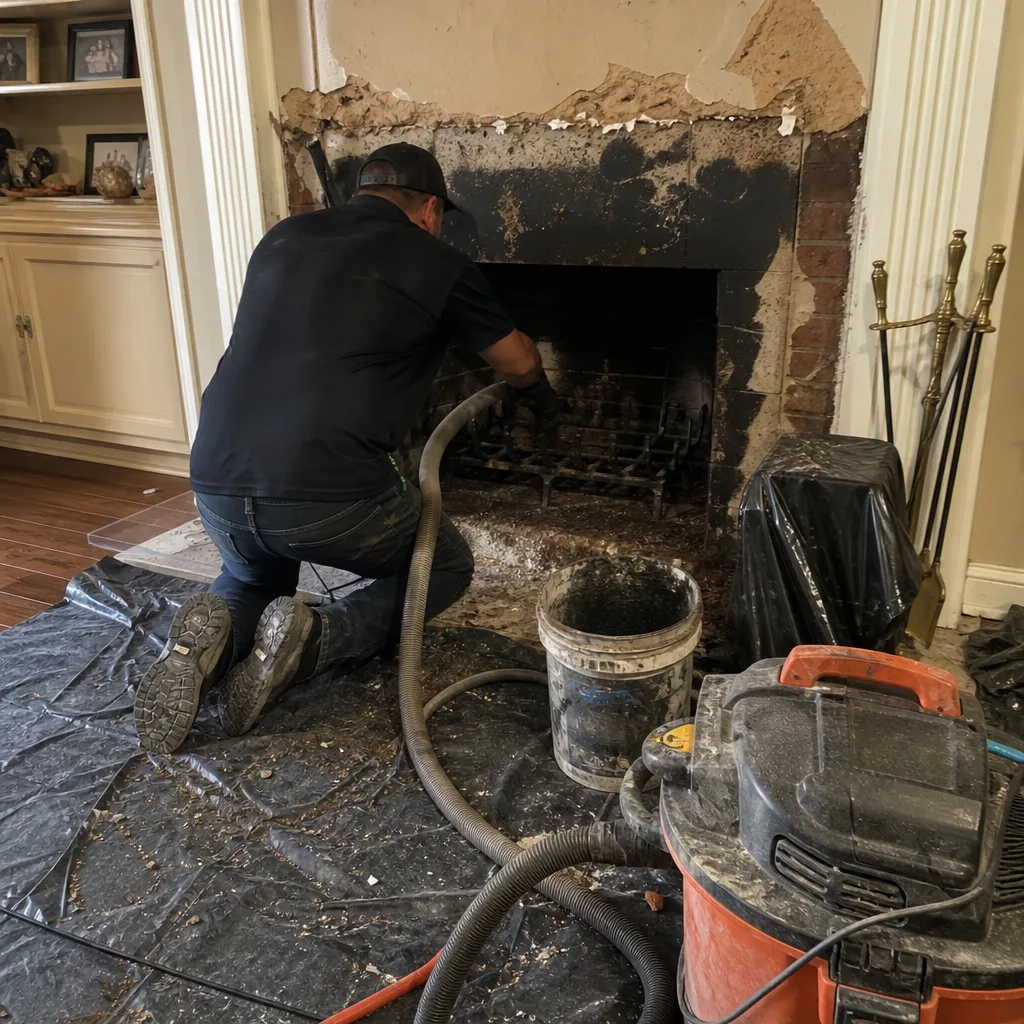 Before
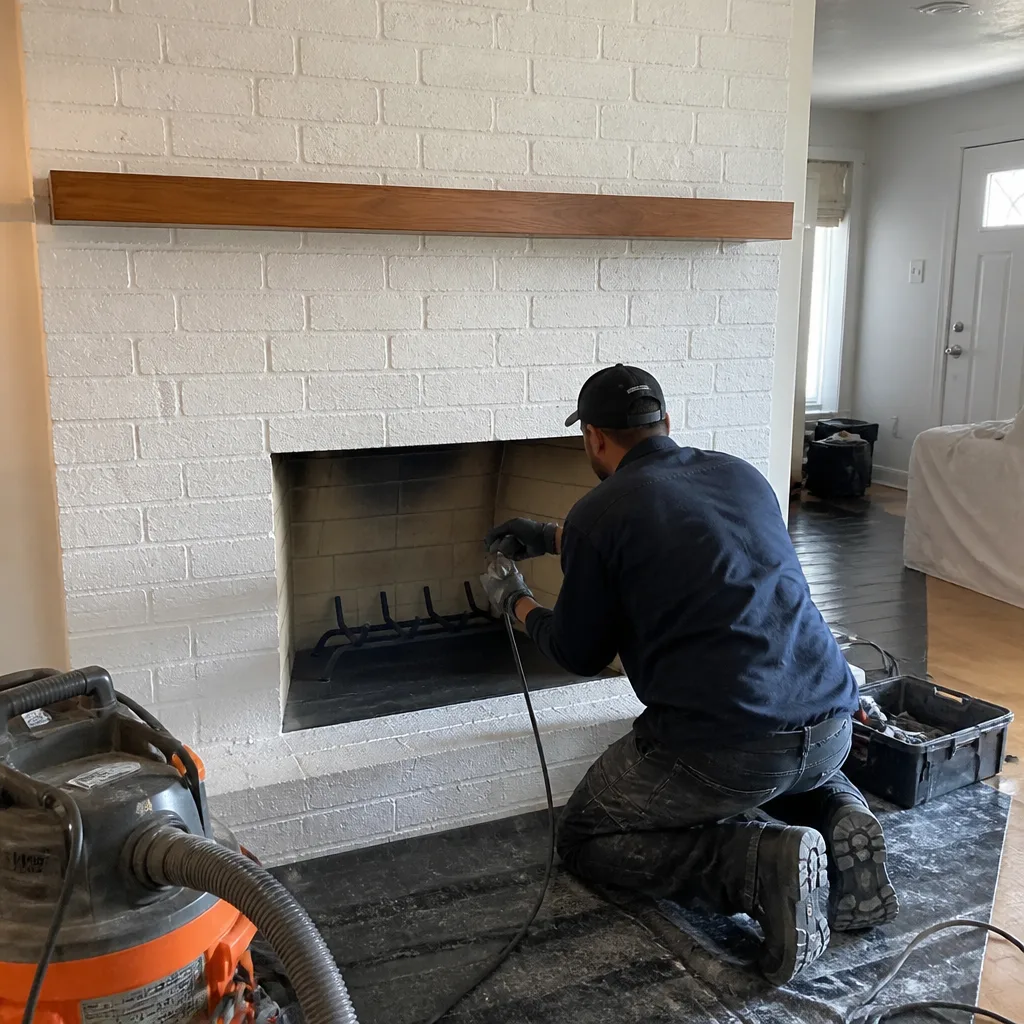 After
After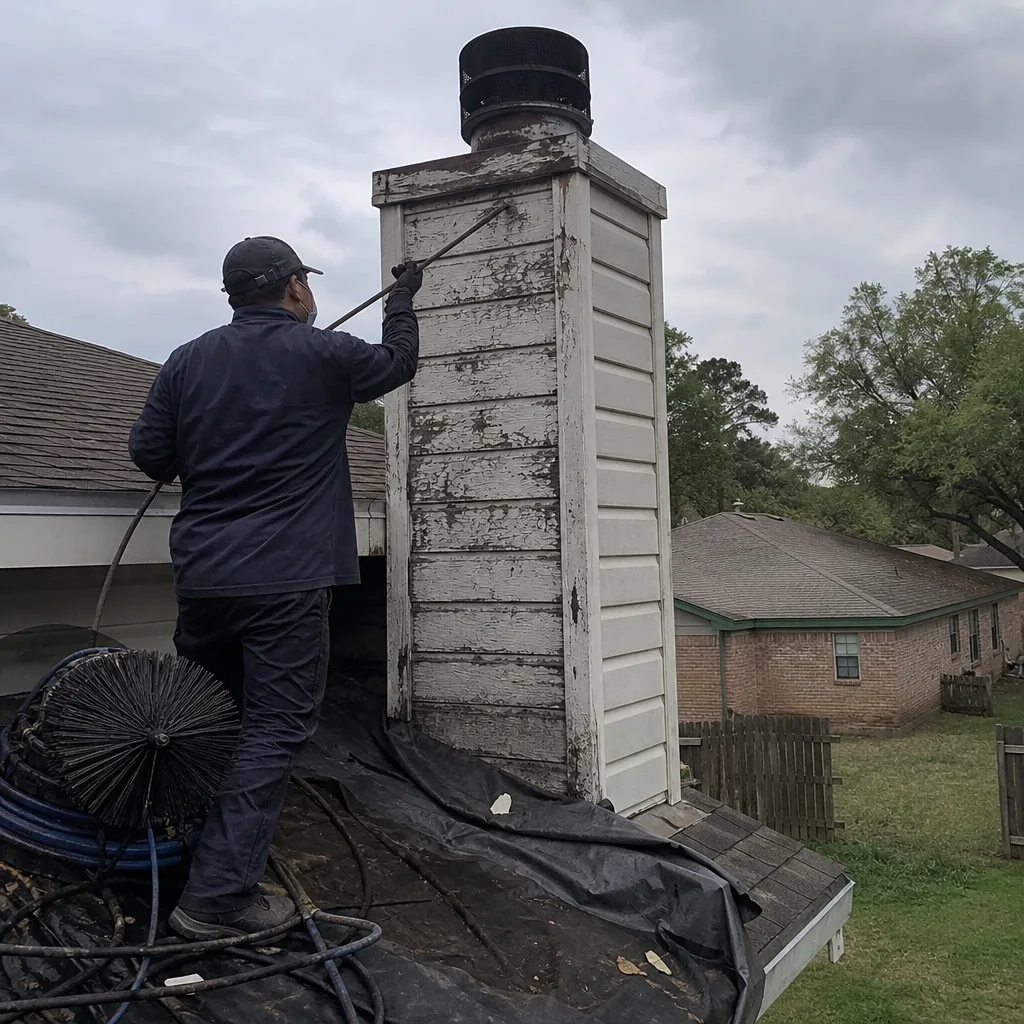 Before
 After
After Before
 After
After