
 Sweep & inspection
 Caps & crowns
 Flue relining
 Masonry repair
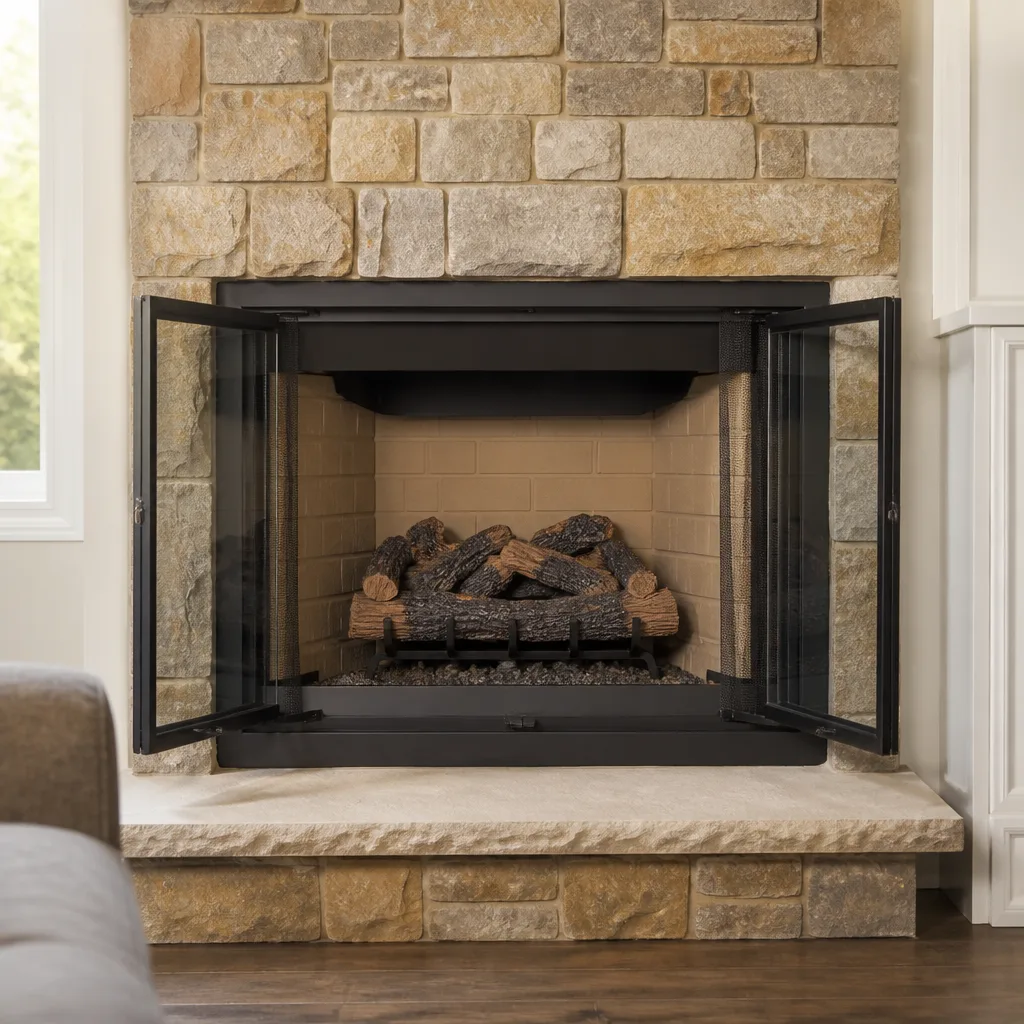 Gas fireplace service
Level 1 sweep and inspection to the NFPA 211 annual standard - flue, crown, cap, and flashing checked and photographed
Chimney sweep logs do not sweep chimneys. They loosen some creosote - which then falls where a brush and vacuum still have to collect it.
Styles & brands we work with
See the difference
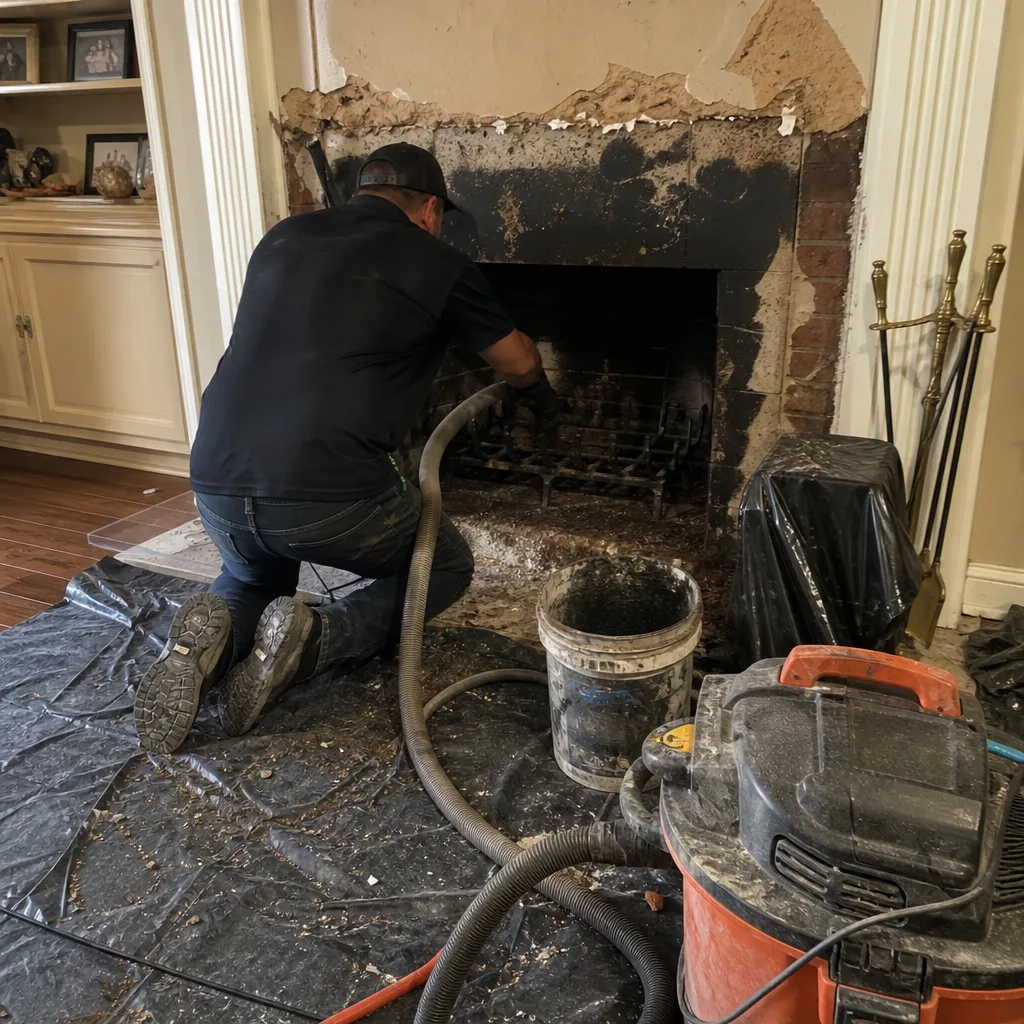 Before
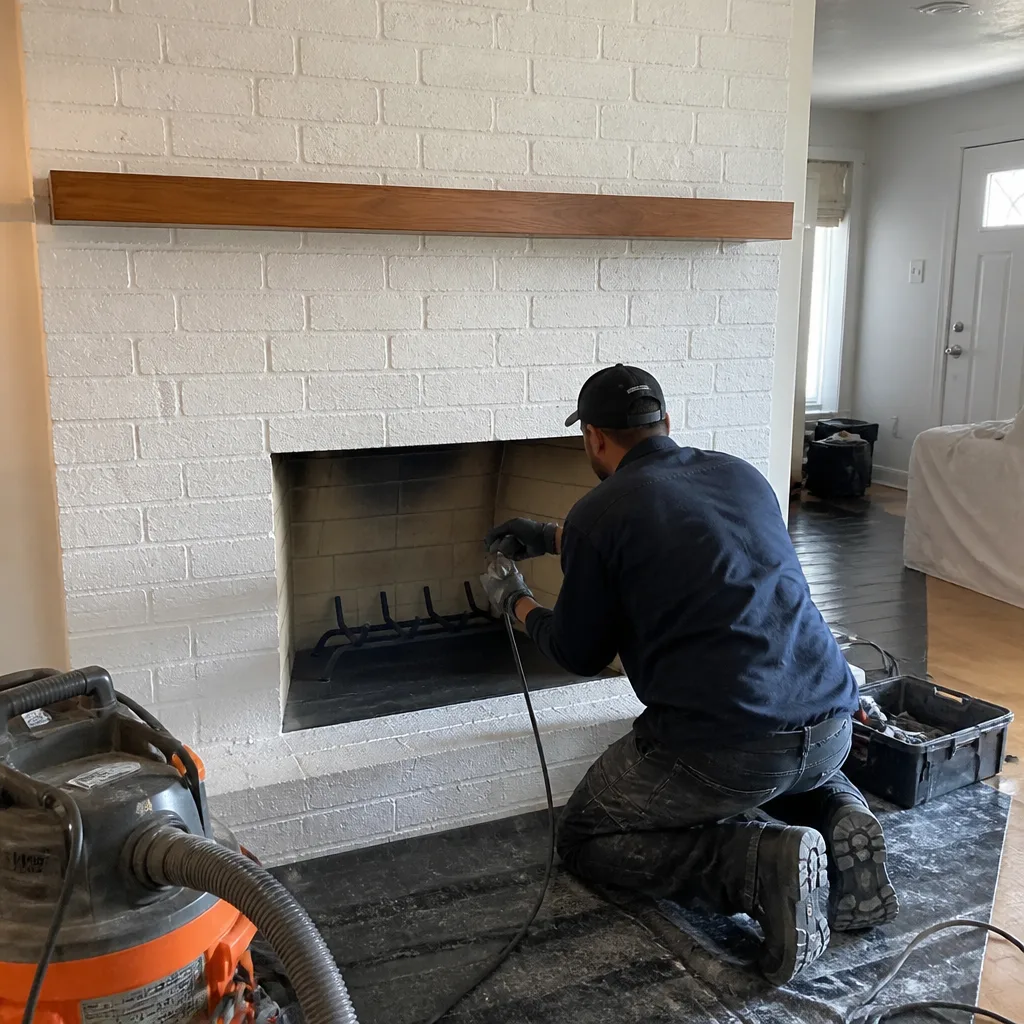 After
After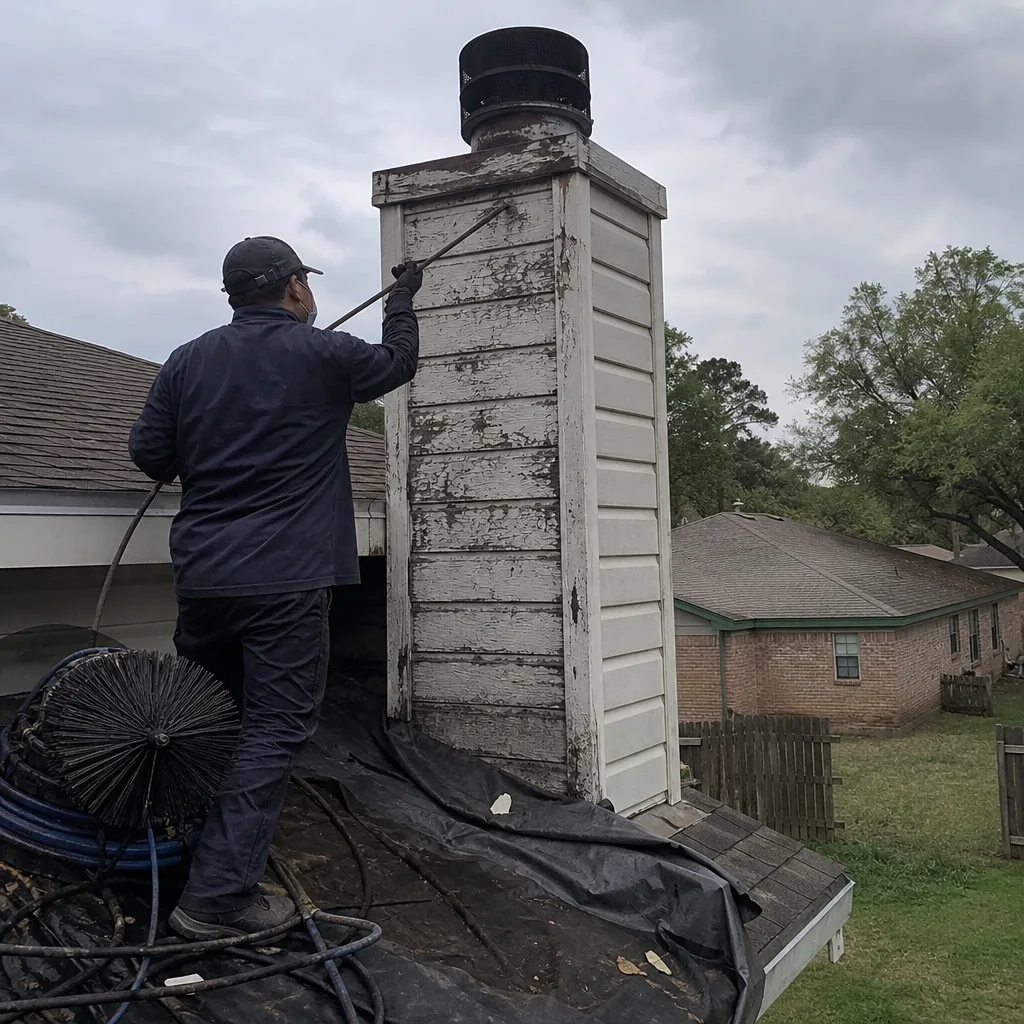 Before
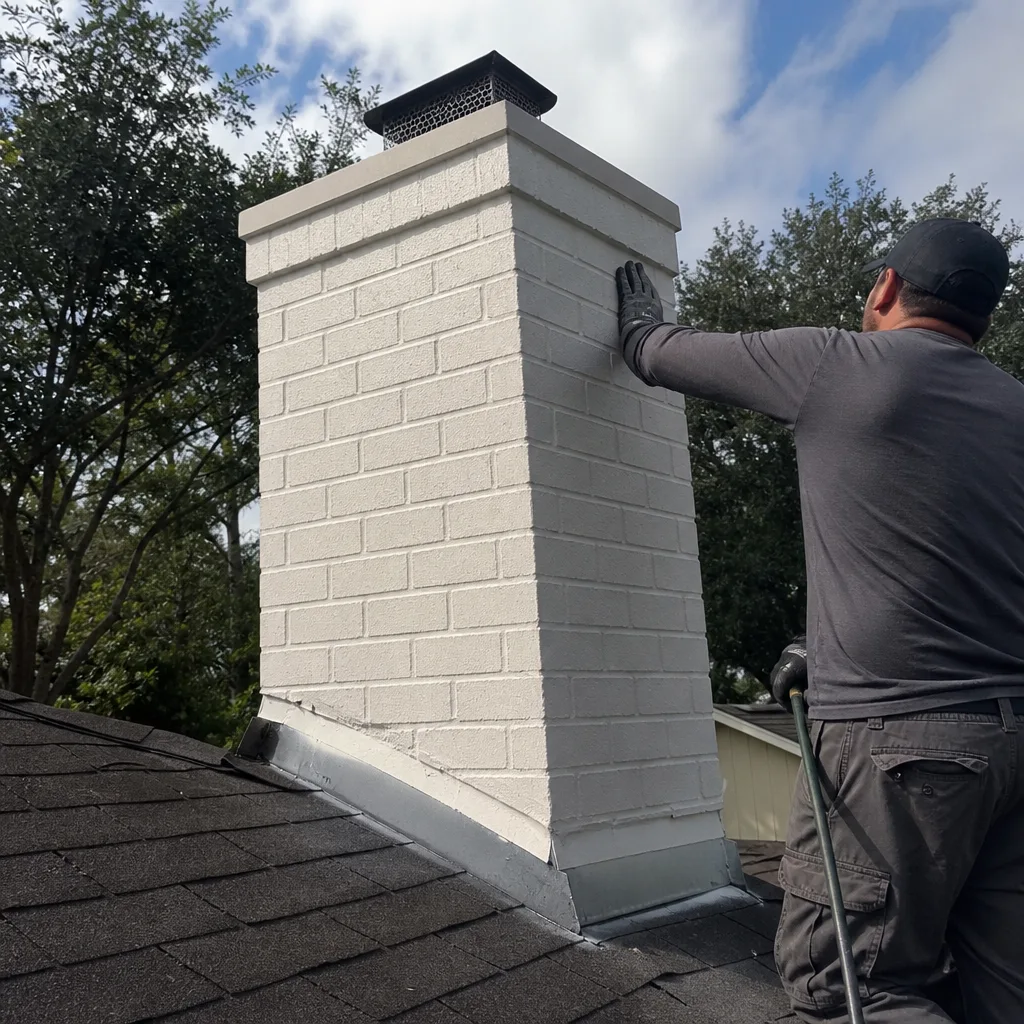 After
After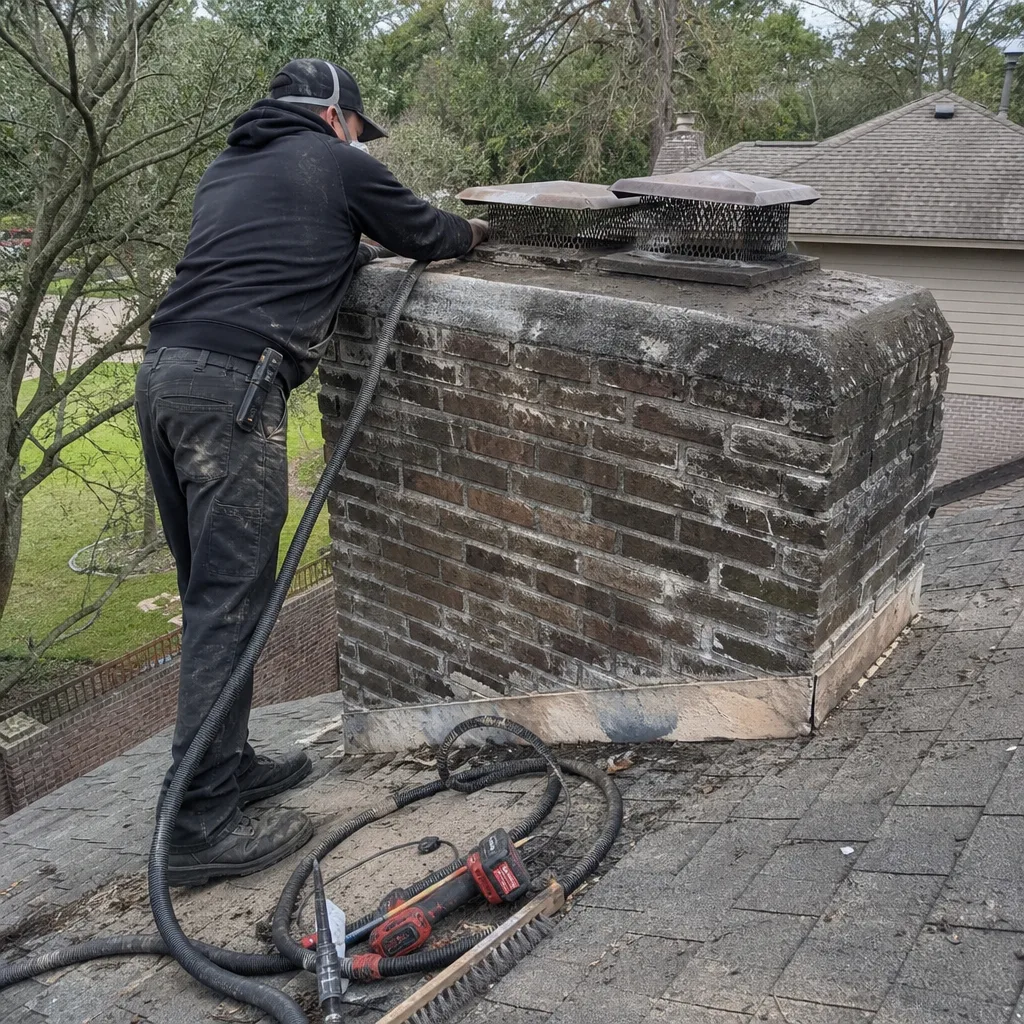 Before
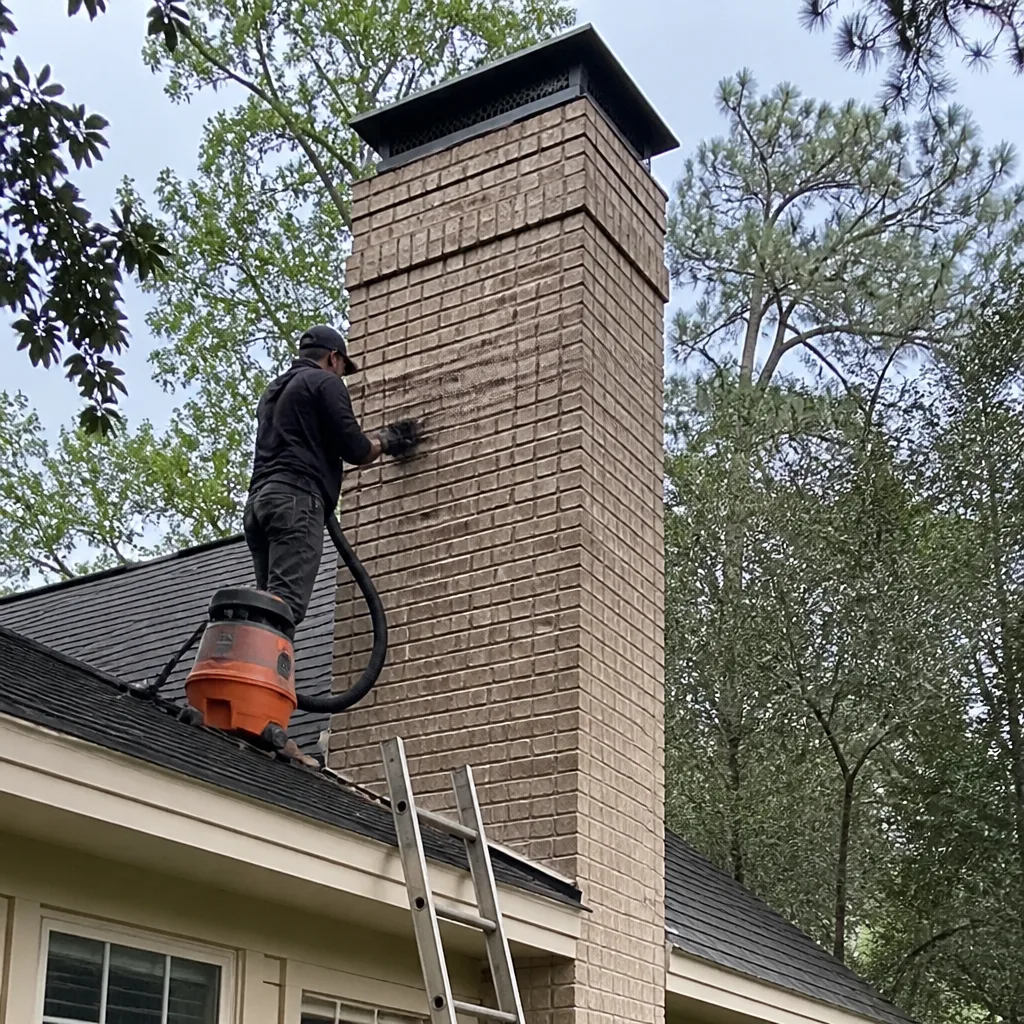 After
AfterCreosote Removal in Houston, TX
Creosote removal in Houston typically costs between $250 and $600 for a standard chimney, and it’s the single most important maintenance task for preventing chimney fires. We remove creosote using professional-grade brushes, rotary whip systems, and when needed, chemical treatments that break down the hardened glaze. If you’re seeing black, tar-like buildup inside your flue or you can’t remember the last time a sweep looked at it, call us at (325) 750-6259 and we’ll give you a written price before any work starts.
Creosote is what’s left behind when wood smoke cools and condenses inside your chimney. It builds in three stages: a flaky soot that brushes off easily, a granular tar that needs more aggressive sweeping, and finally a hard, shiny glaze that resists standard brushes entirely. Houston’s humidity makes the problem worse. The moisture in our air causes creosote to bond more tightly to flue walls, and the temperature swings between hot afternoons and cooler nights create more condensation cycles inside the chimney. We see it in neighborhoods across the city, from Meyerland to Spring Branch to Clear Lake. It’s part of why regular Chimney Cleaning & Sweep in Houston matters so much here.
Flint Chimney Co Houston handles creosote removal as part of our broader sweep service, and we treat it with the same discipline we bring to every job: a written scope of work, a fixed price before we begin, and a one-year guarantee on any repair we perform. Hank Delano runs our Houston operation under the same Garrison Standard that every Garrison Partners location follows, which means you get the same documented process whether we’re removing light soot or tackling a glazed third-degree creosote problem.
When You Need Creosote Removal
Most homeowners don’t think about creosote until something goes wrong. Here are the signs we tell Houston homeowners to watch for:
- Black, shiny buildup you can see inside the fireplace or flue. If you shine a flashlight up your chimney and see what looks like hardened tar, that’s stage-three glazed creosote. It doesn’t brush off with standard sweeping and requires rotary tools or chemical treatment.
- Smoke backing up into the room during fires. Creosote narrows the flue opening. When the smoke can’t draft properly, it pushes back into your living space instead of up and out.
- A strong, acrid odor coming from the fireplace, especially on humid days. Houston’s humidity activates creosote odor. If your living room smells like a campfire even when there’s no fire, you’ve got buildup.
- You’ve burned a lot of green or unseasoned wood. Wet wood produces cooler, smokier fires, which creates creosote at a much faster rate. If you’ve been working through a cord of wood that wasn’t properly dried, assume your flue needs attention.
- It’s been more than a year since your last sweep. The National Fire Protection Association recommends an annual chimney inspection and cleaning. In Houston’s climate, where we get heavy use in fall and winter but the chimney sits damp and idle through hot summers, annual service is the floor, not the ceiling.
- You hear a crackling or popping sound from inside the chimney during a fire. That’s often creosote igniting in small pockets. It may not be a full chimney fire yet, but it’s a warning sign you shouldn’t ignore.
Creosote is the fuel for chimney fires. It burns hot, it burns fast, and it can crack flue tiles or spread to the structure around your chimney before you know what’s happening. This isn’t a cosmetic issue and it isn’t a “maybe next season” issue. If you’re seeing any of these signs, call (325) 750-6259 and we’ll schedule a sweep and inspection.
Our Creosote Removal Process
Here’s exactly what happens when the Flint Chimney Co Houston crew arrives at your home:
- Inspection and measurements. Our technician examines the flue, identifies the type and severity of creosote present, and measures the flue dimensions. This tells us which tools and how much time the job needs. You get a written price based on what we actually find, not a guess over the phone.
- Written scope and price, before any work begins. You approve the number before we touch anything. The invoice you get at the end matches that number, every time.
- Protection of your living space. We lay down drop cloths, seal the fireplace opening, and run a HEPA-filtered vacuum to keep dust and debris out of your home. You won’t find soot on your furniture when we leave.
- Mechanical creosote removal. For stage-one and stage-two creosote, we use wire and poly brushes sized to your flue to scrub the walls clean. For stage-three glazed creosote, we use a rotary whip system that chips away the hardened tar without damaging the flue liner.
- Chemical treatment when needed. For heavy glaze, we may apply a professional-grade creosote treatment like those from Gelco or Olympia Chimney that chemically break down the tar so it can be brushed away on a follow-up visit or during the same service call. We don’t rely on chemicals as a substitute for mechanical cleaning, but they’re a legitimate tool for the hard cases.
- Post-sweep inspection and documentation. After the creosote is removed, we inspect the flue for any damage the buildup was hiding, document what we found, and note anything that needs attention. If there’s damage we can repair, our repair work carries a written one-year guarantee.
Every step follows the Garrison Code: show up on time, do the work right, document everything, and stand behind it in writing. We’ve been operating this way since 2002 as part of the Garrison Partners family of independently owned chimney service companies.
Creosote Removal Pricing in Houston
A standard creosote removal in Houston, done as part of a full chimney sweep, typically runs between $250 and $450 for a single-flue chimney with stage-one or stage-two buildup. If you have glazed stage-three creosote that requires rotary tools and chemical treatment, expect to pay between $450 and $600. These are the ranges we quote most often across Houston, from Heights bungalows to Cypress two-story builds to Pearland brick colonials.
What changes the price:
- Severity of creosote. Light soot is quick. Hard glaze takes longer and needs specialized tooling.
- Flue height and accessibility. A two-story chimney is more work than a one-story run. Steep roofs add time.
- Number of flues. Some Houston homes have separate flues for the fireplace and the furnace or water heater.
- Damage discovered during removal. If creosote removal reveals cracked flue tiles or a deteriorated liner, that’s a separate repair with its own written quote. You approve it before we do it.
We never give a price over the phone and then change it at the door. You get a written estimate after we’ve looked at your chimney, and that’s the number you pay. If you’d like a free estimate, call (325) 750-6259. A live person answers, around the clock.
Why Creosote Builds Faster in Houston
Houston’s climate works against your chimney in ways that colder cities don’t deal with. The humidity here means the air your fire draws in carries more moisture, which cools the smoke faster as it rises and deposits more creosote on the flue walls. Then there’s the temperature cycling: Houston winters hover in the 40s and 50s with occasional drops, and when it warms up during the day and cools at night, the condensation inside the chimney accelerates creosote formation. Add in the fact that many Houston homes burn wood only sporadically, with fires that start cold and never reach the high temperatures that would burn off some of the creosote naturally, and you’ve got a recipe for faster buildup than a homeowner in, say, a dry climate would ever see.
We also see specific regional patterns. In Kingwood and Atascocita, where lots are heavily wooded, homeowners burn more hardwoods like oak and hickory, which produce more creosote than softwoods. In Bellaire and West University, older chimneys often have unlined or clay-tiled flues that give creosote more surface texture to grab onto. These aren’t theoretical concerns. They’re the patterns our technicians document during sweeps every week.
Creosote and Chimney Fires: What Houston Homeowners Should Know
A chimney fire fueled by creosote can reach internal temperatures over 2,000 degrees Fahrenheit. That’s hot enough to crack flue tiles, melt mortar, and in some cases ignite structural framing around the chimney. Even a chimney fire that stays contained inside the flue can do enough damage to make future fires dangerous until the flue is repaired or relined. It’s rare that a homeowner realizes the full extent of damage until a sweep inspects afterward.
Here’s the thing most Houston homeowners don’t know: a chimney fire doesn’t always look like a dramatic blaze. Sometimes it sounds like a low rumble or a train passing in the distance. Sometimes it’s just a quick whoosh and a puff of smoke. By the time you notice it, the damage is already done. That’s why annual creosote removal isn’t a suggestion. It’s the difference between a chimney you can safely enjoy and one that’s quietly becoming a hazard.
DIY Creosote Removal: A Word of Caution
There are creosote sweeping logs and powders sold at hardware stores throughout Houston, and they have a legitimate but narrow use: they’re meant to soften stage-one creosote between professional sweeps. They are not a replacement for mechanical removal. If you’ve got stage-two or stage-three buildup and you burn one of those logs, the chemical reaction can actually make the creosote stickier and harder to remove later. And if you’re thinking about climbing on your roof with a brush you bought online, reconsider. Steep Houston roofs plus tile or composition shingles plus a chimney chase equals a fall risk that isn’t worth it. We’re state-licensed and insured, and our technicians are trained to work on roofs safely. Call us instead of testing your balance.
FAQs – Creosote Removal
How much does creosote removal cost in Houston?
Creosote removal in Houston typically costs $250 to $450 for standard buildup, and $450 to $600 for glazed stage-three creosote that requires rotary tools and chemical treatment. The severity of the buildup, chimney height, and number of flues all affect the final number. Call (325) 750-6259 for a free written estimate based on your actual chimney.
Can you remove creosote the same day I call?
Yes, in most cases we can schedule a same-day or next-day creosote removal in Houston depending on the day and route. Our phones are answered by a live person 24/7, so call (325) 750-6259 and we’ll get you on the schedule and give you a firm arrival window.
Is creosote removal the same as a chimney sweep?
Creosote removal is the core task within a full chimney sweep. A sweep includes creosote removal plus a visual inspection of the flue, damper, firebox, and chase cover. We treat them as one service and price them together.
How often should I have creosote removed from my Houston chimney?
At minimum once per year, and more often if you burn frequently, burn green wood, or have a wood stove. Houston’s high humidity accelerates creosote formation, so if you use your fireplace weekly during the fall and winter, consider a sweep before the season starts and another mid-season check if you notice any buildup signs.
What happens if creosote removal reveals damage to my flue?
We document the damage, show you what we found, and provide a separate written quote for repair. Any repair we perform carries a written one-year guarantee from Flint Chimney Co Houston. If a covered repair fails during that year, we return and fix it at no charge. You never have to wonder if we’ll stand behind the work.
Written by Hank Delano, Owner at Flint Chimney Co Houston, serving Houston.