
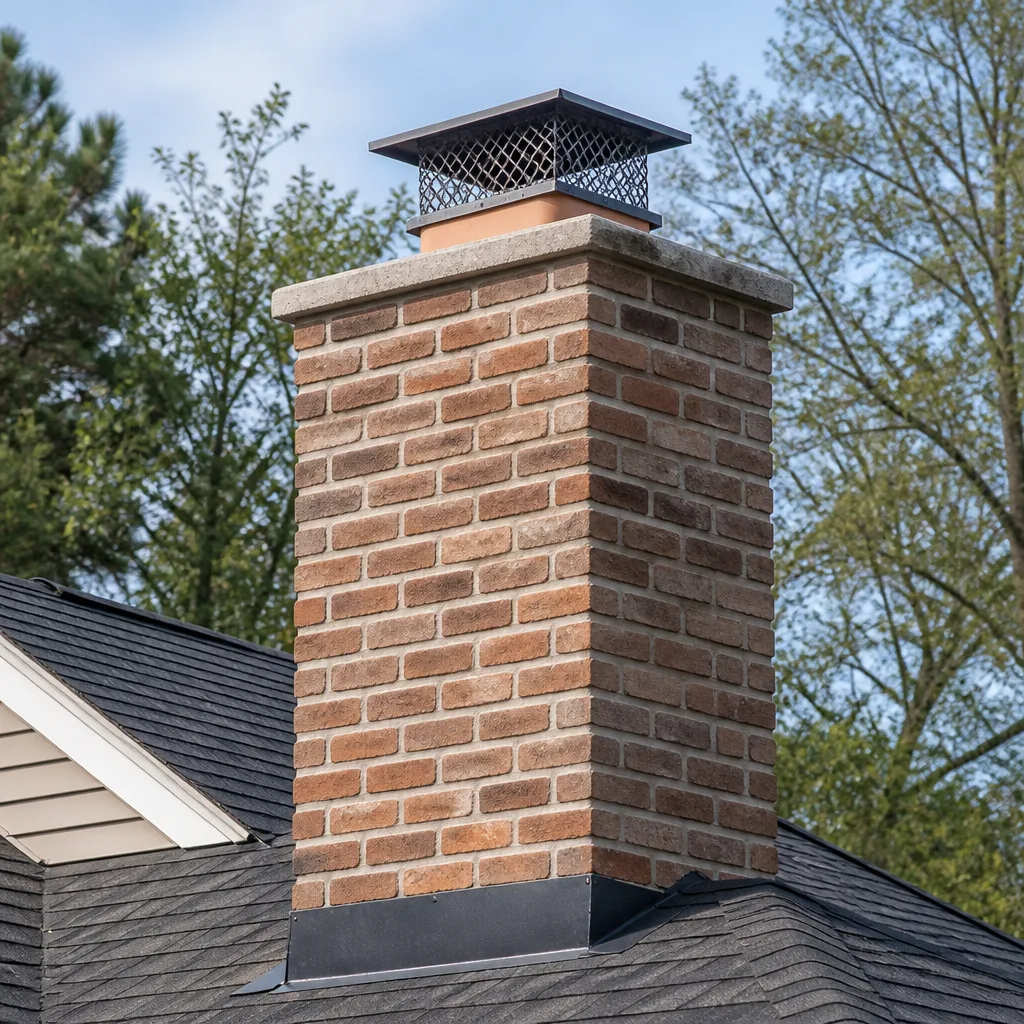
 Masonry repair
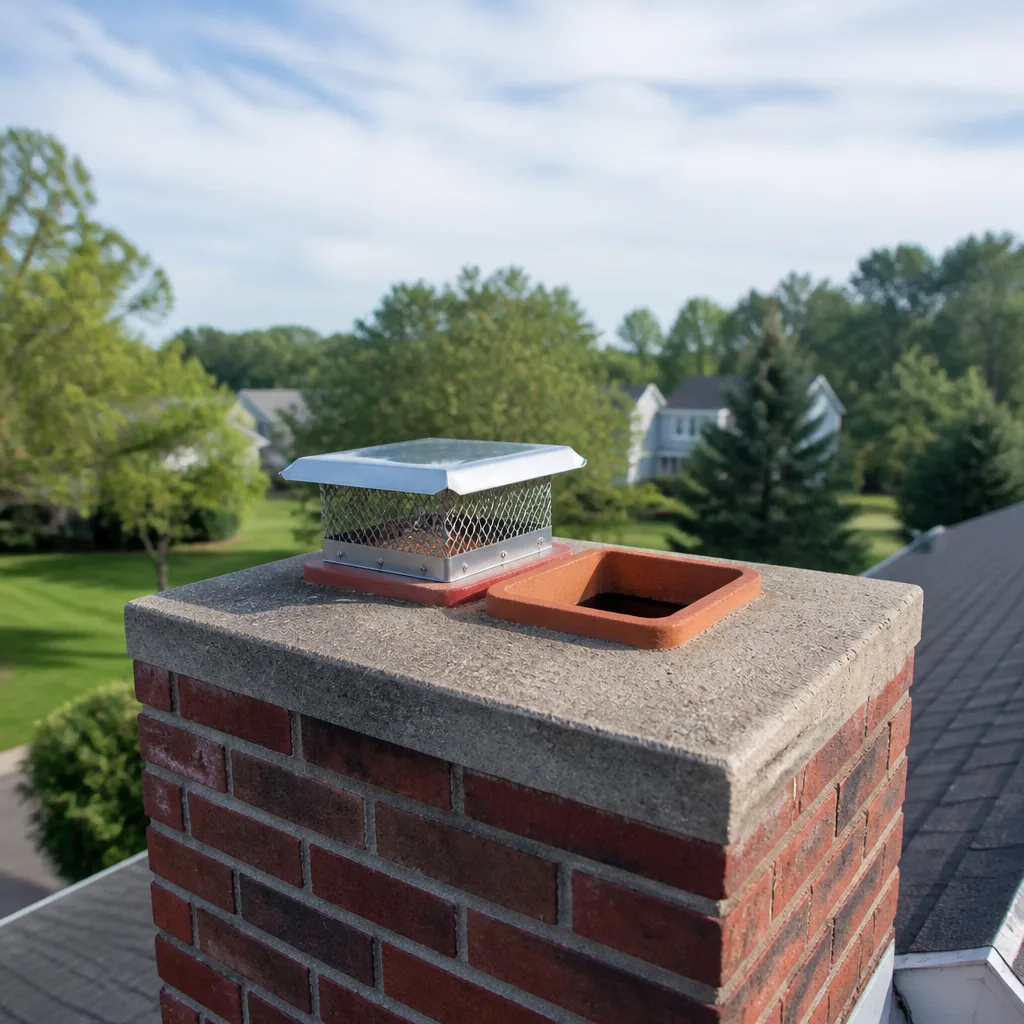 Sweep & inspection
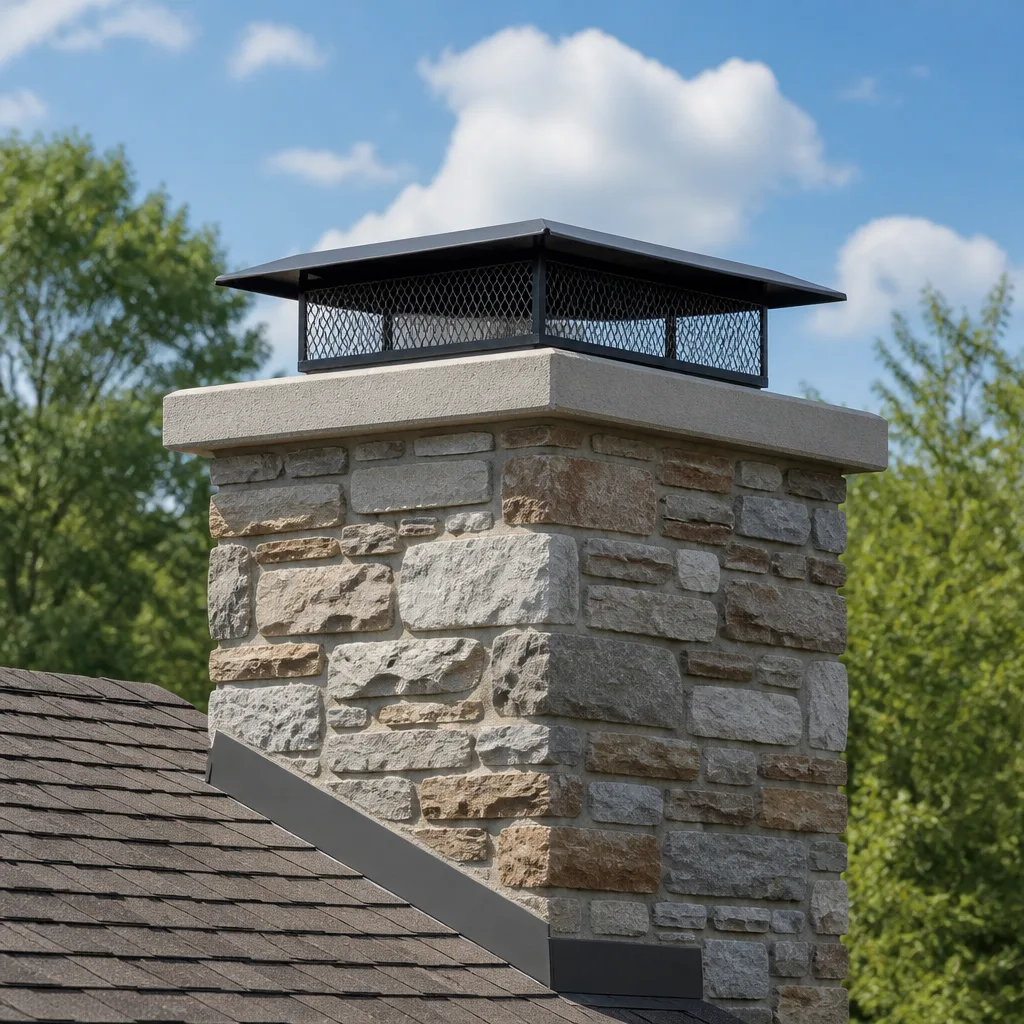 Caps & crowns
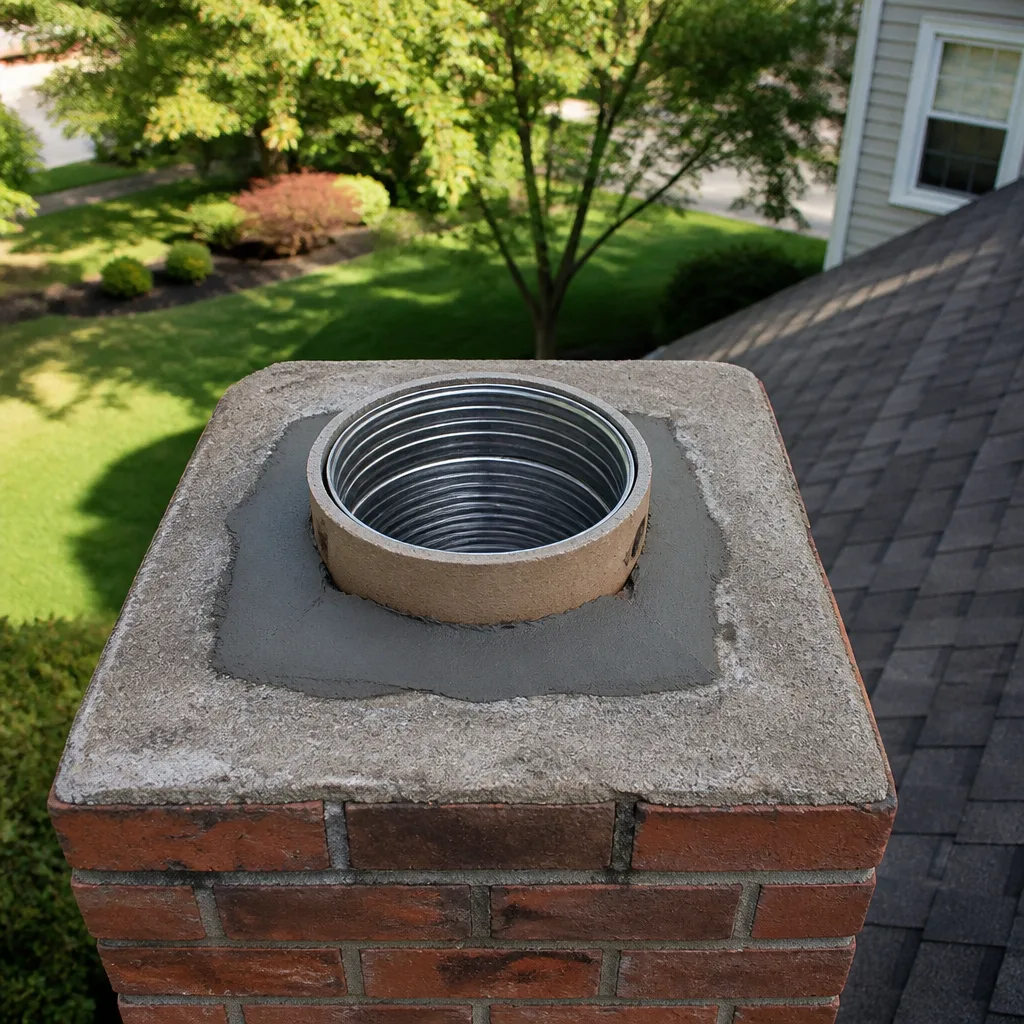 Flue relining
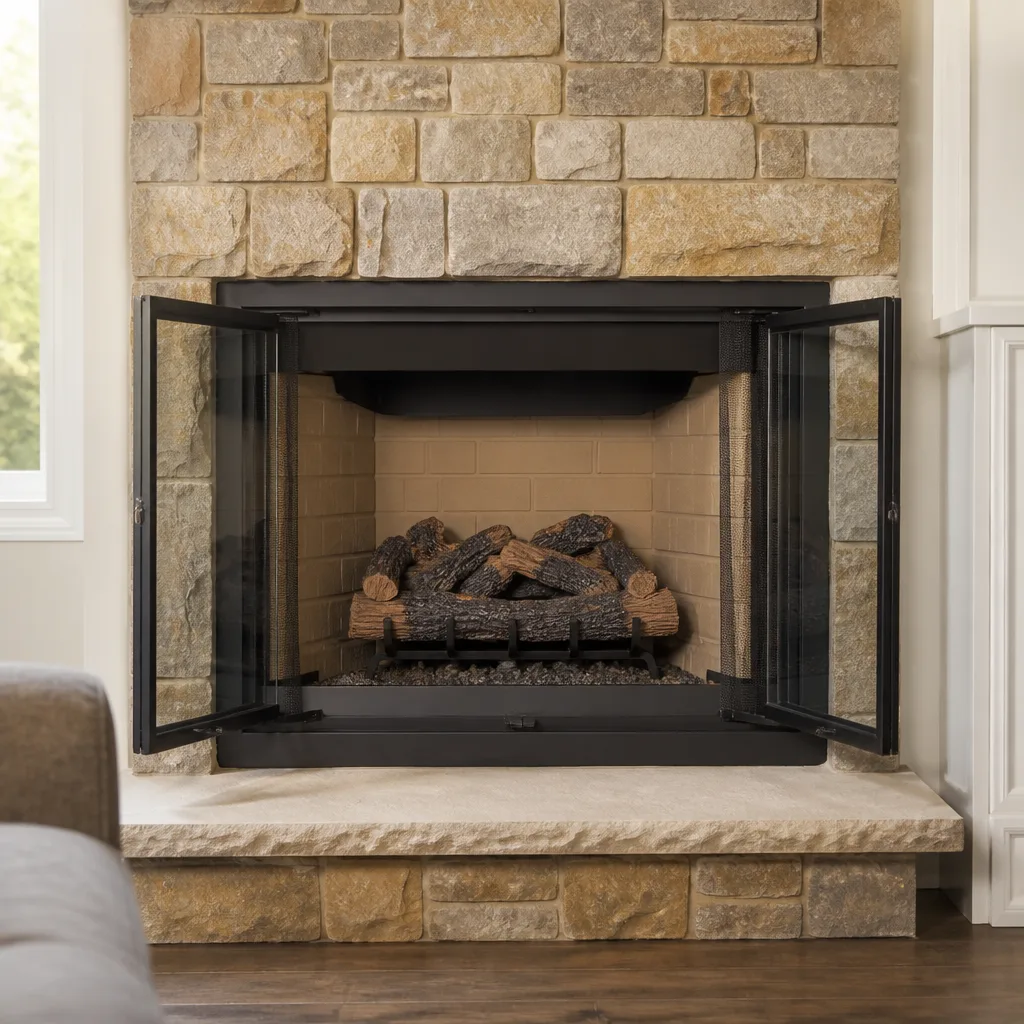 Gas fireplace service
Level 1 sweep and inspection to the NFPA 211 annual standard - flue, crown, cap, and flashing checked and photographed
Chimney sweep logs do not sweep chimneys. They loosen some creosote - which then falls where a brush and vacuum still have to collect it.
HeatShield Damper Repair: The Houston Owner’s Guide
HeatShield damper repair in Houston typically runs $225 – $485 installed, depending on whether we’re replacing the damper plate, the cable assembly, or the entire top-sealing unit. We stock HeatShield-compatible damper parts on our trucks, so most repairs happen the same visit we diagnose the problem. Homeowners usually discover the failure the same way: a damper that won’t close all the way, a cable that pulls loose, or a cold draft that shows up in the firebox even when the fireplace isn’t in use.
In Houston’s climate, the failure pattern is predictable. High humidity and salt-adjacent coastal air accelerate corrosion on the cast aluminum damper plates HeatShield uses. Moisture works into the pivot hardware, and what starts as a stiff lever becomes a seized assembly in about four to six seasons of regular use. Hank Delano tells customers the same thing he’d say standing in their living room: “Tell me what you’re seeing, I’ll tell you what it costs to fix it.”
Which HeatShield Models This Applies To
HeatShield’s top-sealing damper line includes the original HeatShield damper and the newer HeatShield II series, both of which use a cable-driven, spring-assisted opening mechanism. The HeatShield II is the one we see most often in Houston homes, especially in older Montrose and Heights fireplaces where the original damper was pulled out during a chimney rebuild. If you have the original model, the pivot arms are shorter and the damper plate sits flatter against the flue tile. The II series uses a taller gasket seat, so the parts are not interchangeable between the two.
Identifying your exact part is simple: open the damper fully and look for the raised model number stamped on the underside of the plate. Most HeatShield II units read “HS2-8” through “HS2-13,” where the number matches the inside diameter of your flue in inches. If the stamp is corroded away, measure the flue opening at its widest point. A wrong-sized damper plate won’t seat correctly, and that means a draft leak the product was designed to stop. HeatShield stopped manufacturing some first-generation replacement plates, so when we can’t source a true OEM part, we use a machined aftermarket equivalent of the same 6061 aluminum spec. We’ll tell you which one is going in before the work starts. We are an independent service provider and are not affiliated with HeatShield or its parent companies.
Styles & brands we work with
Signs Your HeatShield Damper Repair Is Failing
- The damper cable pulls free or goes slack. The cable connects to a spring-loaded reel mounted inside the firebox. When the cable anchor crimp lets go, the damper loses tension and won’t respond to the lever. This is the most common HeatShield failure we see in Houston, and it’s usually a fifteen-minute fix with a new cable assembly.
- Cold air drops into the firebox when the fireplace isn’t burning. HeatShield dampers seal against a silicone or fiberglass gasket. Houston’s humidity hardens that gasket over time, and once it loses its shape, air moves freely. The fix is a replacement gasket, not a whole new damper unit.
- The damper plate sticks halfway open or closed. Aluminum plates oxidize, especially in fireplaces that see occasional use. The oxide layer creates friction at the pivot points. If left too long, the plate can warp and the repair shifts from a cleaning job to a full plate replacement.
- You hear a metallic rattle when the wind blows across the chimney cap. That’s the damper plate vibrating against its seat, which means the closure spring has lost tension or the plate is slightly out of alignment. Left alone, the seat will wear an uneven groove and the seal will never be right.
- The lever in the firebox is hard to move or feels gritty. The cable housing collects dust and creosote residue, and in Houston, moisture makes that residue gummy. If the housing is rusted through, that’s a cable assembly replacement. If it’s just dirty, we clean and lubricate the track.
See the difference
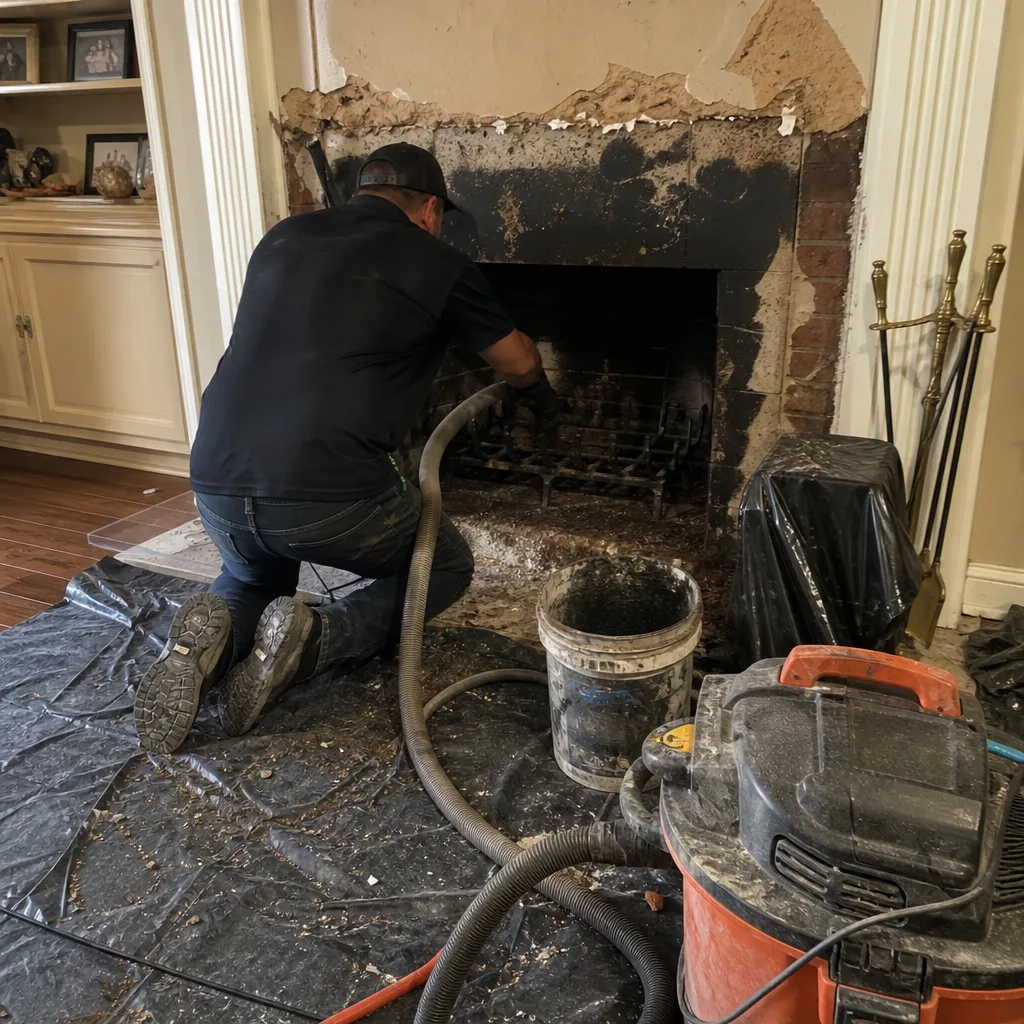 Before
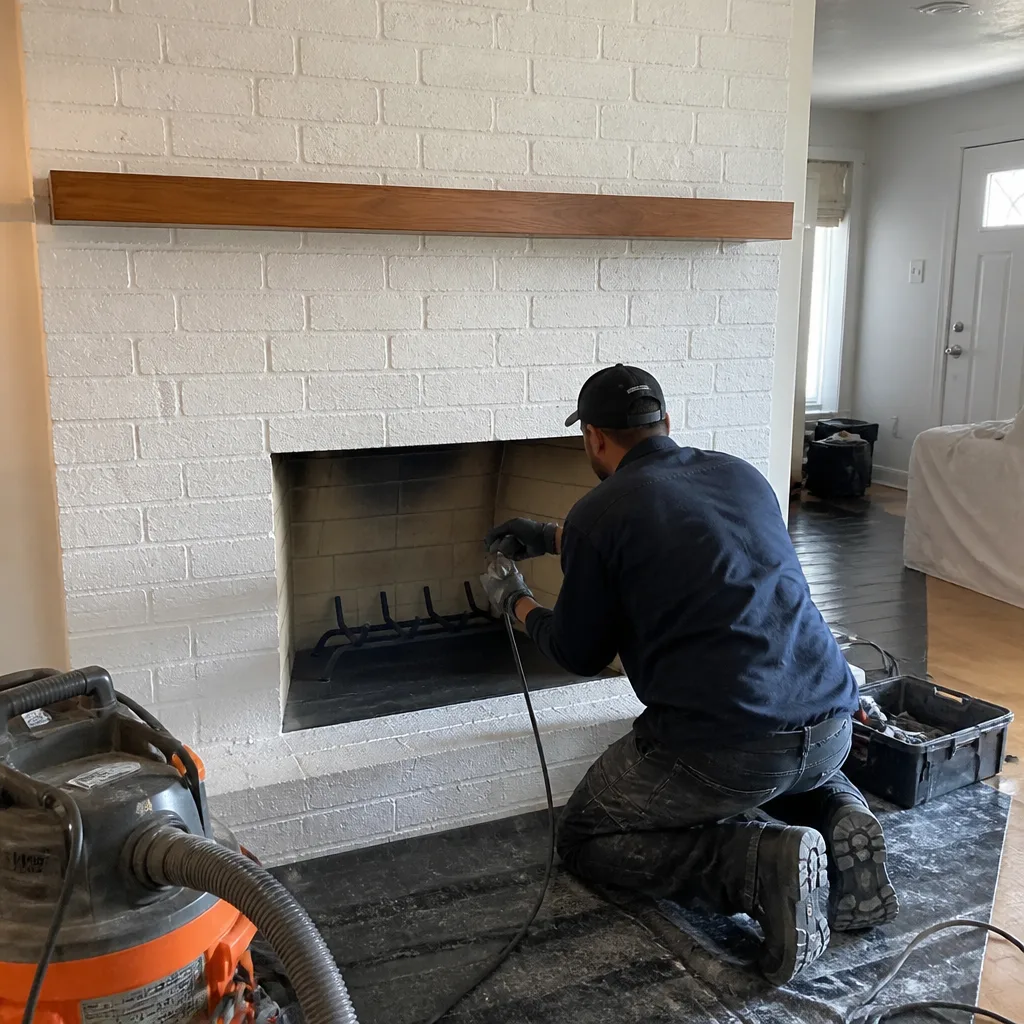 After
After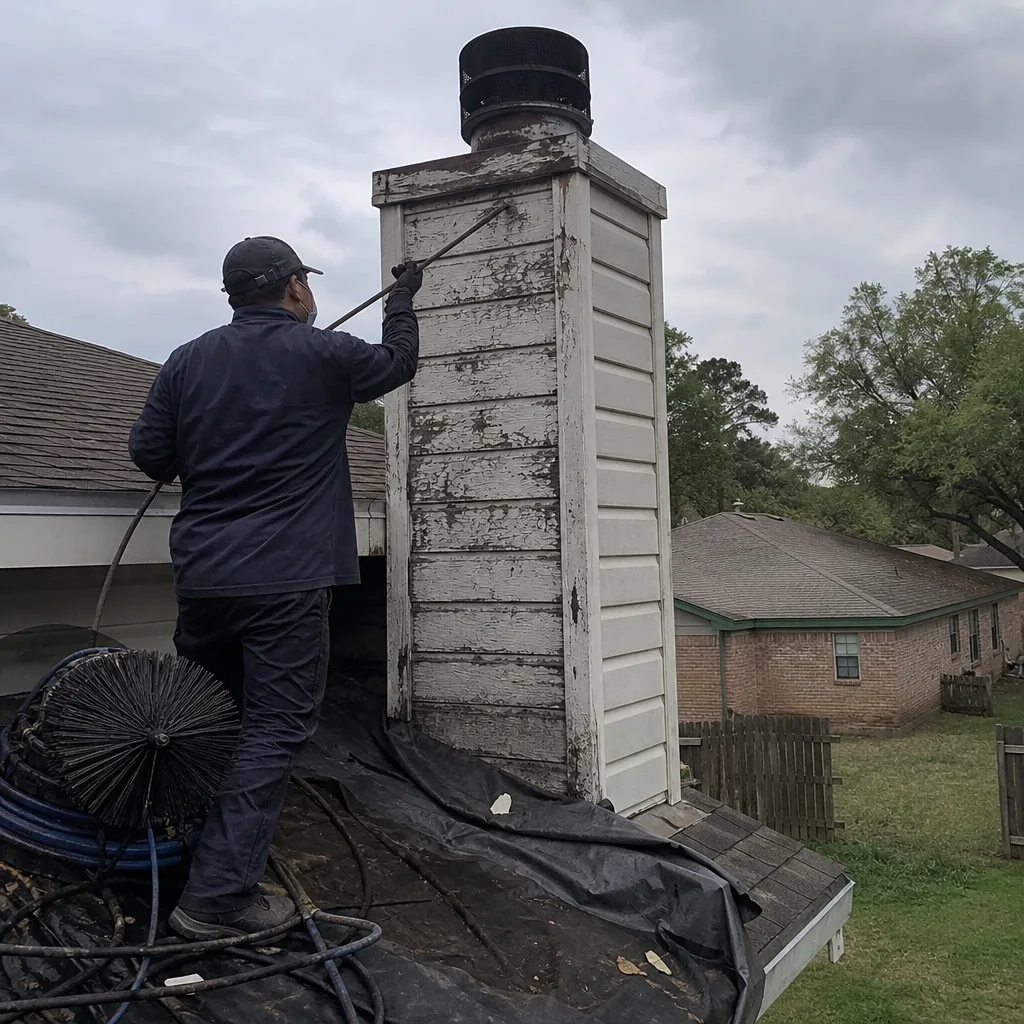 Before
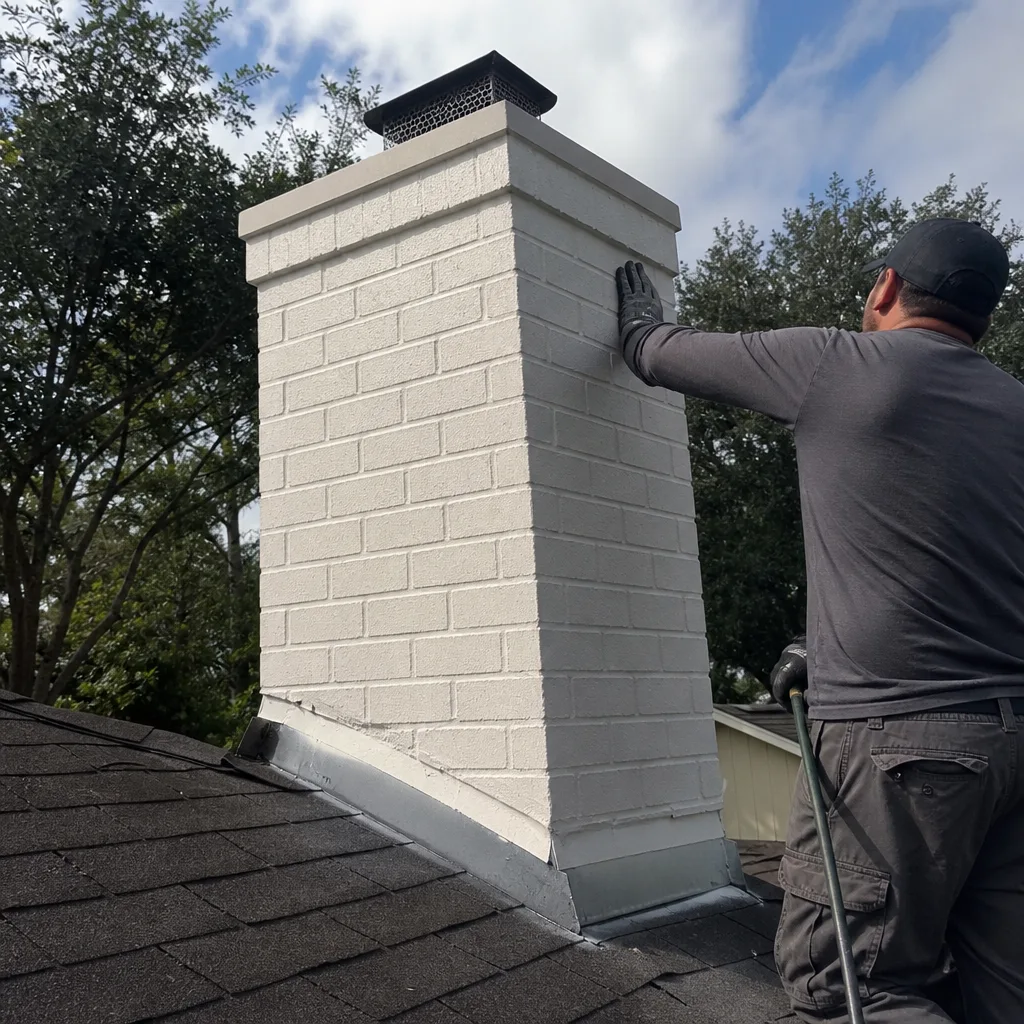 After
After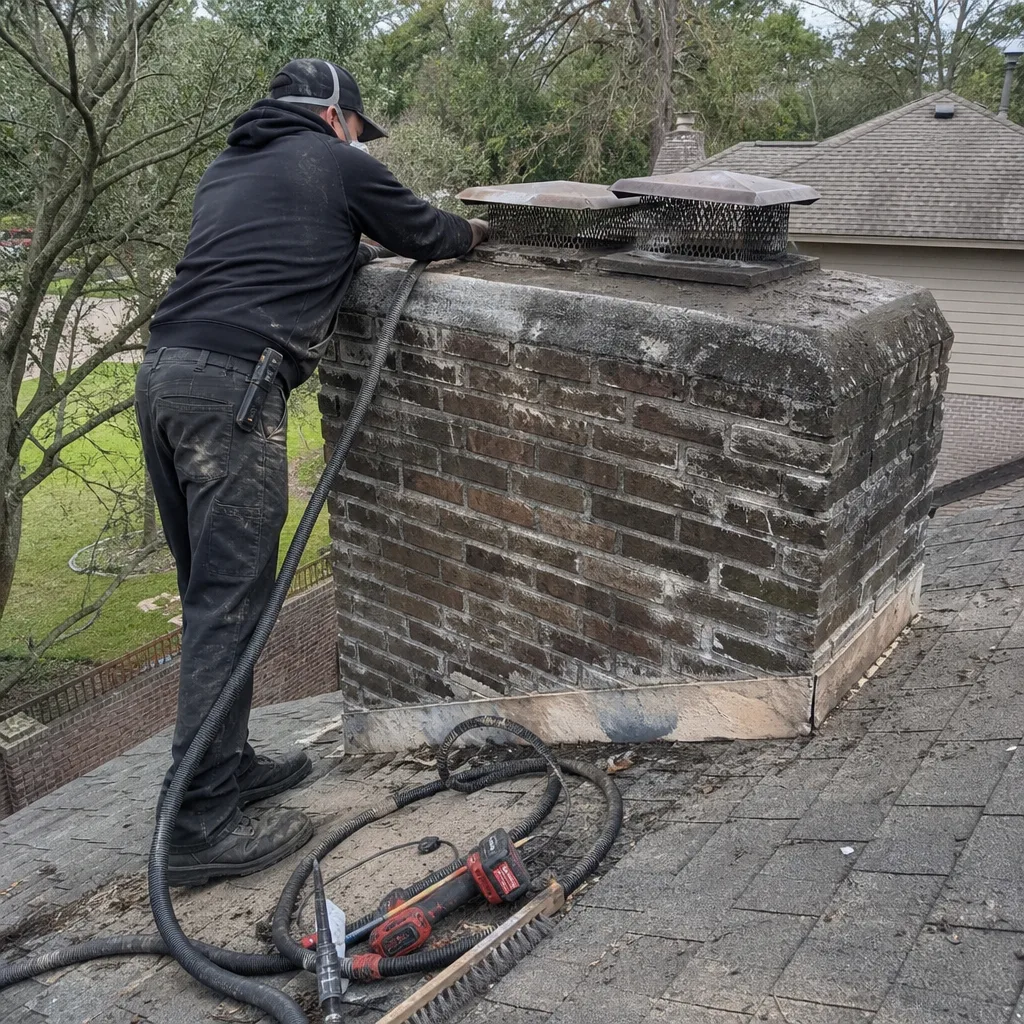 Before
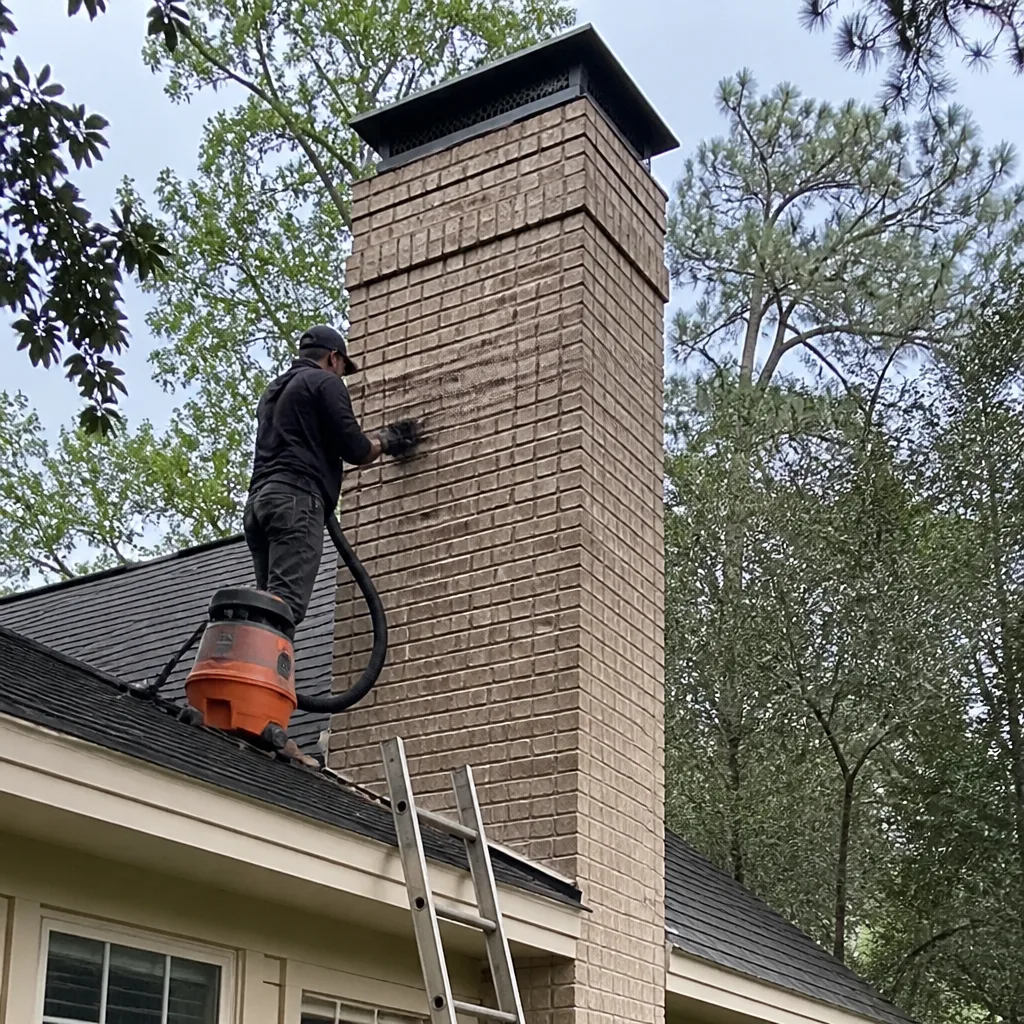 After
AfterReplacement Cost & What’s Included
A HeatShield damper repair in Houston runs $225 – $485 installed. The low end covers cable assembly replacement or a gasket swap. The high end covers a full plate and pivot replacement on a larger flue, which requires more time to seat and test. Every quote is a written flat price, not an estimate, and you’ll see it before any tool comes off the truck.
Every HeatShield damper repair we do includes the new part, removal of the old hardware, application of a high-temp anti-seize on all pivot points, and a pull-test to verify the damper opens and seals correctly. The work is covered by our 365-Day Done Right Promise. If the repair fails within one year, we come back at no charge. That’s in writing, on the invoice, before you sign anything.
DIY or Call Us?
The damper plate itself is under spring tension, and a released cable can snap back hard enough to split skin or take an eye. We don’t recommend messing with the cable reel without the right retaining tool. What you can safely do is inspect the firebox side: move the lever slowly, and if you feel resistance before the plate opens fully, stop and call us. If the plate is stuck open and you need to close the fireplace until we arrive, wedge a fireplace plug or a piece of insulation board into the flue opening. Don’t force the lever.
For Houston homeowners, the real risk with a failed damper isn’t just the draft. It’s that a stuck-open damper turns your chimney into an express lane for humid air, and Humidtexas air moves through a chimney faster than most people expect. Over a summer, that’s moisture sitting on your damper hardware, your firebox, and any masonry above it. If your HeatShield damper isn’t sealing, call us at (325) 750-6259 and we’ll put it right.
FAQs
With regular use, expect eight to twelve years from the original plate and five to eight from the cable assembly. Houston’s humidity cuts into that lifespan, especially for fireplaces on the west side of a house that catch afternoon sun and then cool down fast at night. The good news is that the gasket and cable are replaceable parts, so you don’t have to scrap the whole unit when one component wears. Call us and we’ll tell you exactly which part needs attention.
Most HeatShield dampers can be repaired, and we rarely recommend a full chimney overhaul unless there’s damage beyond the damper. Cable assemblies, gaskets, pivot arms, and springs are all replaceable. The only time we recommend replacing the complete unit is when the plate itself has warped or cracked, which is uncommon. We’ll show you pictures of the damage before we recommend anything.
Most HeatShield damper repairs take between 45 and 90 minutes on-site, including setup, replacement, testing, and cleanup. If we need a part that isn’t on the truck, we’ll arrange a return visit inside the week. We leave the firebox cleaner than we found it, and you’ll see the test results before we pack up.
Yes. Our Houston trucks carry the most common HeatShield cable assemblies, gaskets, and pivot hardware, along with parts for DuraFlex and Gelco systems we service across the Houston area. If your specific size isn’t on the truck, our supplier network gets it to us in one to three days.
Written by Hank Delano, Owner, Flint Chimney Co Houston at Flint Chimney Co Houston, serving Houston and nearby areas.