
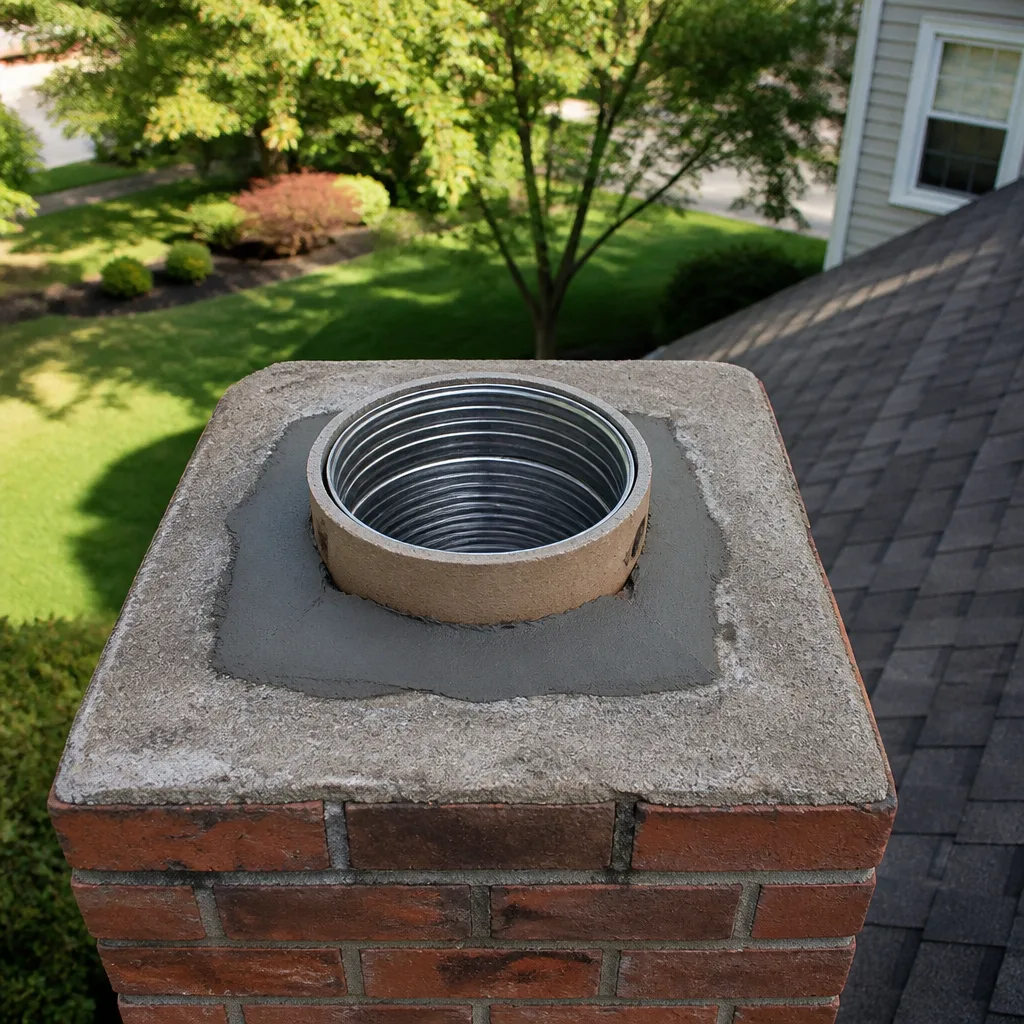
 Flue relining
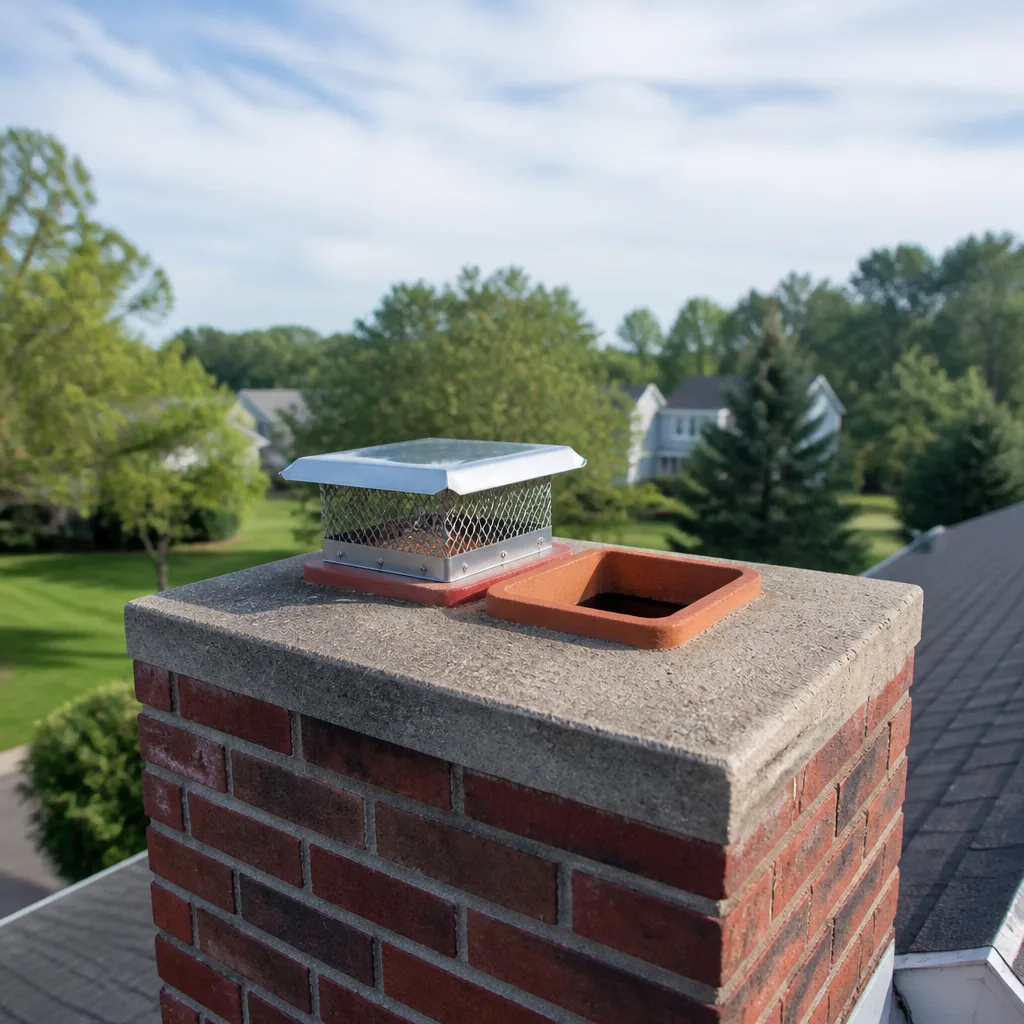 Sweep & inspection
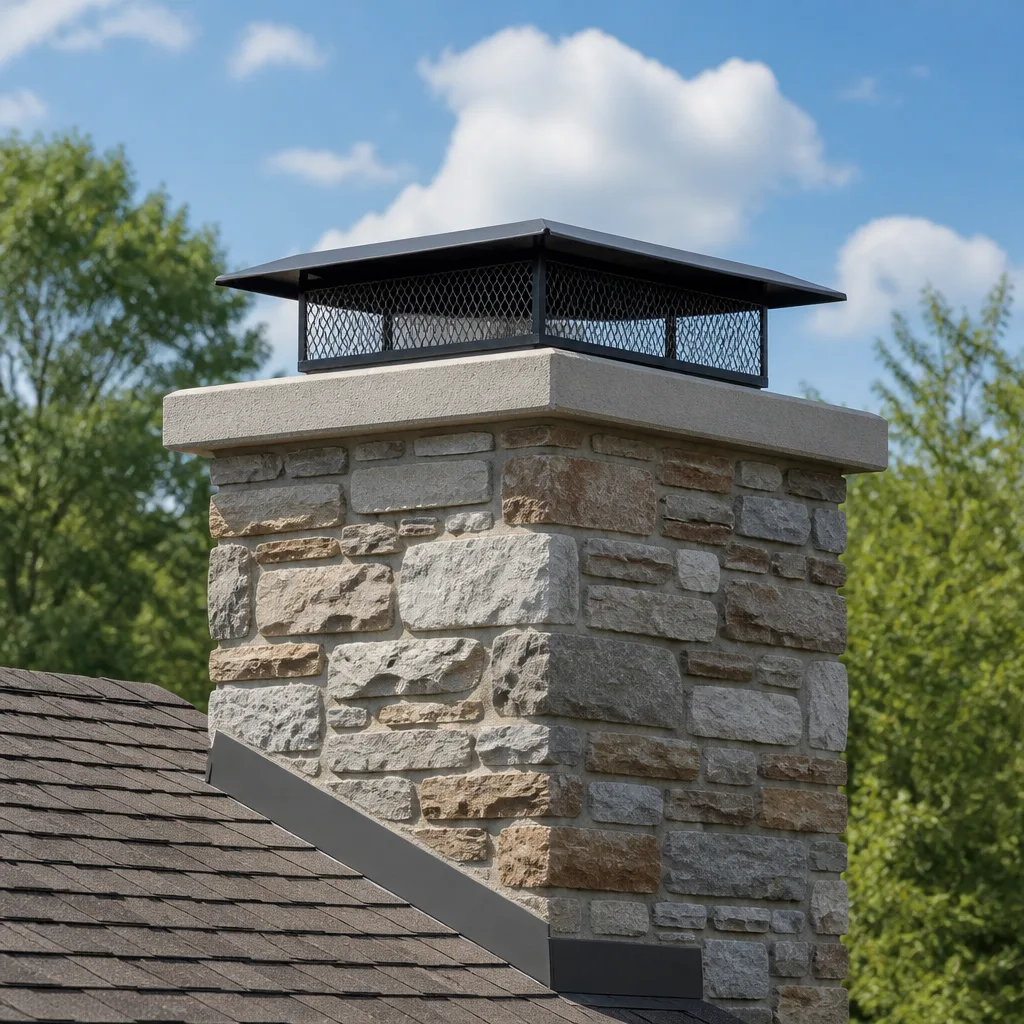 Caps & crowns
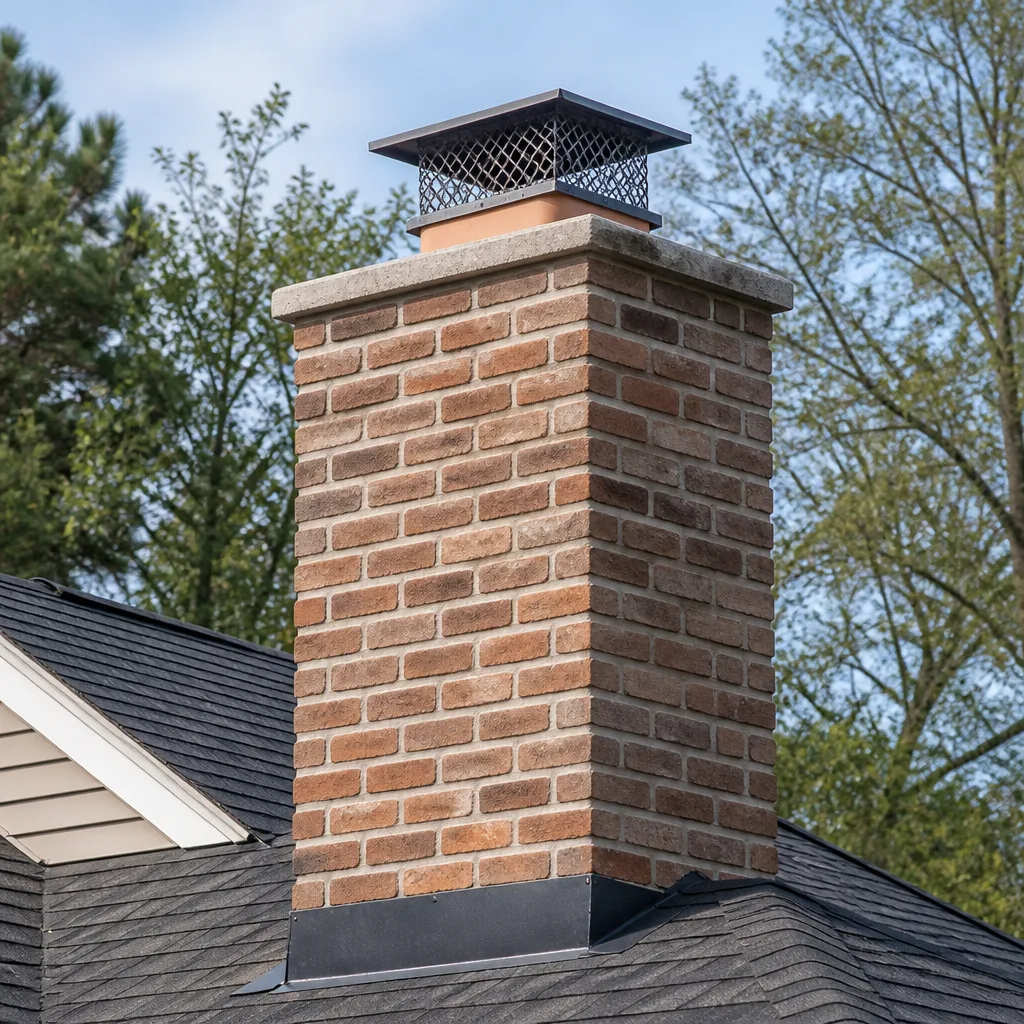 Masonry repair
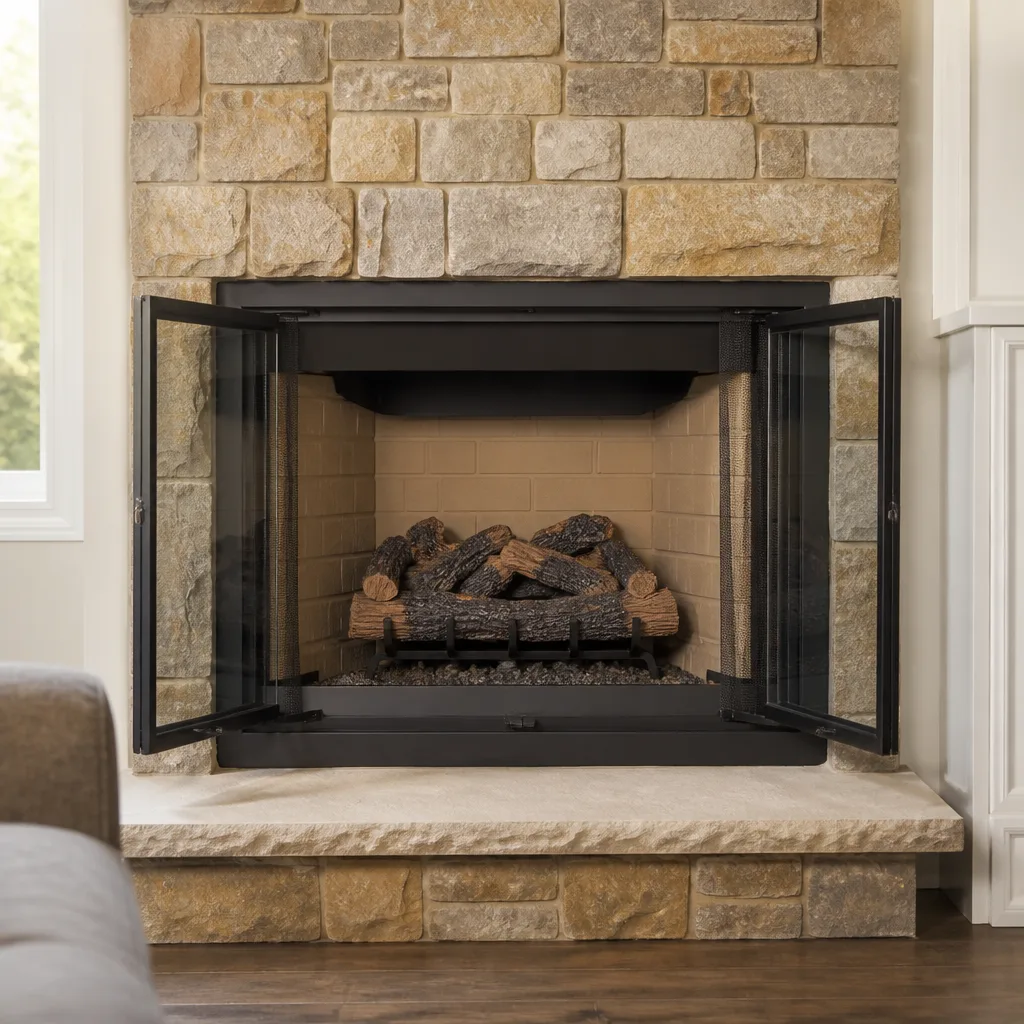 Gas fireplace service
Level 1 sweep and inspection to the NFPA 211 annual standard - flue, crown, cap, and flashing checked and photographed
Chimney sweep logs do not sweep chimneys. They loosen some creosote - which then falls where a brush and vacuum still have to collect it.
HeatShield Flue Liner Replacement: The Houston Owner’s Guide
HeatShield flue liner replacement in Houston typically runs $2,800 – $5,400 installed, depending on the liner length, existing damage, and accessibility. We stock HeatShield materials on our trucks, which means the swap is usually completed in a single visit. Most homeowners discover they need this page because a sweep or inspection showed cracked flue tiles, or because they already had a HeatShield repair done and the underlying masonry kept moving. In Houston, that’s common: our clay soil expands and contracts with every wet-dry cycle, and older chimneys in neighborhoods like The Heights, Montrose, and Bellaire take the brunt of it. What started as a hairline crack becomes a pathway for heat and gas in a season or two.
Key Takeaways
- HeatShield liner replacement in Houston: $2,800 – $5,400 typical, written price before we start
- We stock HeatShield, DuraFlex, and Gelco parts on the truck, no waiting on a warehouse order
- The 365-Day Done Right Promise covers the replacement for a full year, in writing
- If the liner is the problem, delaying means fire risk and carbon monoxide exposure; if it’s minor surface spalling, it can often wait
Which HeatShield Models This Applies To
HeatShield is a ceramic-based resurfacing system rather than a rigid flue liner, and that’s the single biggest source of confusion we see on Houston jobs. Homeowners hear “liner replacement” and imagine pulling out a steel tube. What we’re actually replacing is the failed HeatShield coating that was applied to the inside of your existing clay tile flue. The system works by mopping a refractory ceramic compound onto the flue walls, restoring a smooth, insulated surface. When it fails, it fails by spalling, cracking, and separating from the underlying tile, usually at the mortar joints.
Identifying which HeatShield application you have matters for pricing. The two most common are the standard HeatShield resurfacing (for minor joint erosion) and the reinforced version with a metallic backing for structural cracks. Look for the original inspection report or invoice from the installer. If you don’t have it, we measure the flue diameter and the length of spalled areas; we can match HeatShield replacement specs from those measurements. And we’re an independent service provider, not a HeatShield dealer or franchise. That means our recommendation is based on what the flue actually needs, not on a quota for a particular product line.
Styles & brands we work with
Signs Your HeatShield Flue Liner Replacement Is Failing
- Water or rust staining on the firebox walls. When the HeatShield coating cracks, moisture wicks through the flue tiles and into the firebox. In Houston’s humidity, this happens faster than in dry climates. You’ll see dark stains or a chalky white residue.
- Flaking ceramic material collecting at the bottom of the fireplace. That’s spalling: the HeatShield surface breaking off in small curved shards. If you find gray or terra-cotta-colored flakes in the firebox after the fire is cold, the coating is giving way.
- A sulfur or smoke smell after the fire is out. A failed liner surface lets combustion gases cling to the disturbed mortar behind it. The odor you’re noticing is flue gas that didn’t fully vent.
- Visible light or cracks when you shine a flashlight up the flue. We do this on every inspection. If you can see a seam where the HeatShield coating separated from the tile, that separation will only grow.
- The previous HeatShield repair was applied correctly but the chimney kept leaking. Some Houston flues move structurally because the footing or the crown was never addressed. The liner fails because the chimney underneath it is still moving.
None of those symptoms fix themselves, but not all of them demand a full replacement. That’s the next section.
See the difference
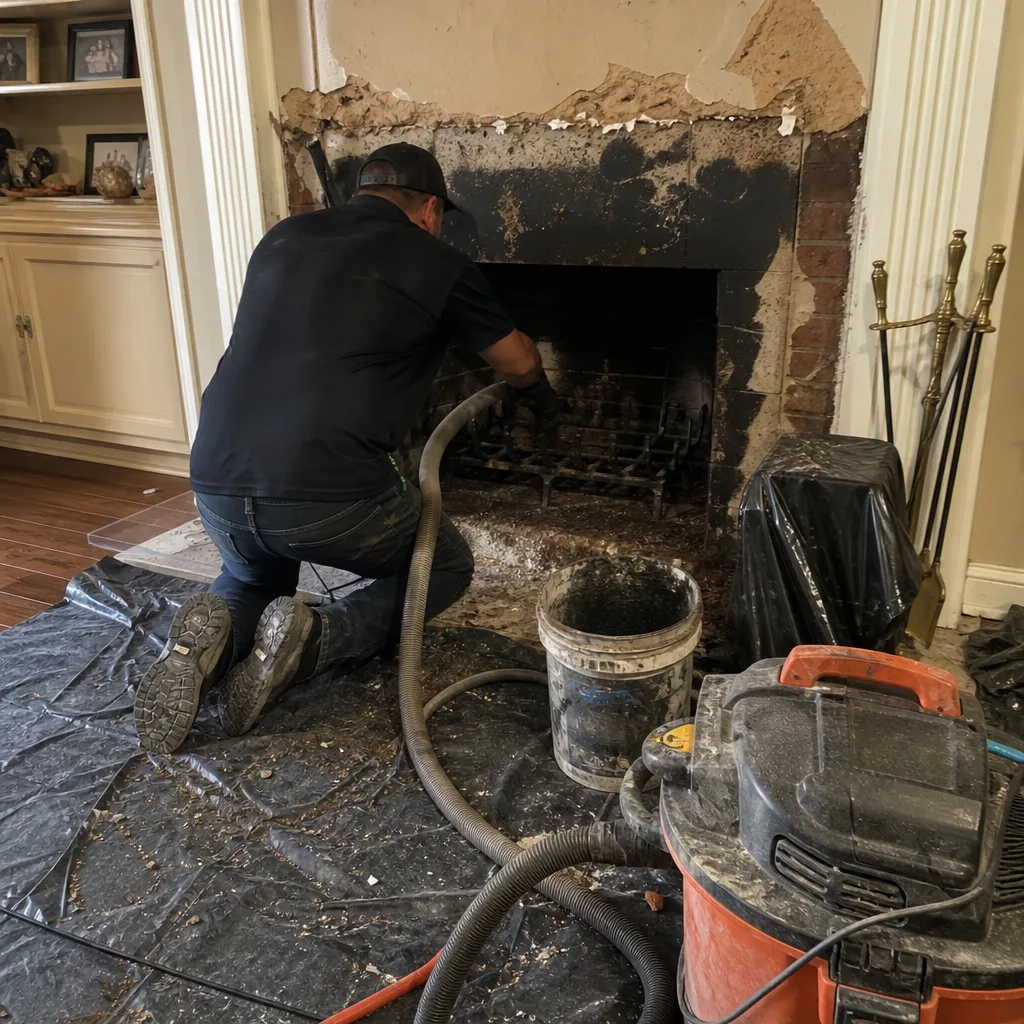 Before
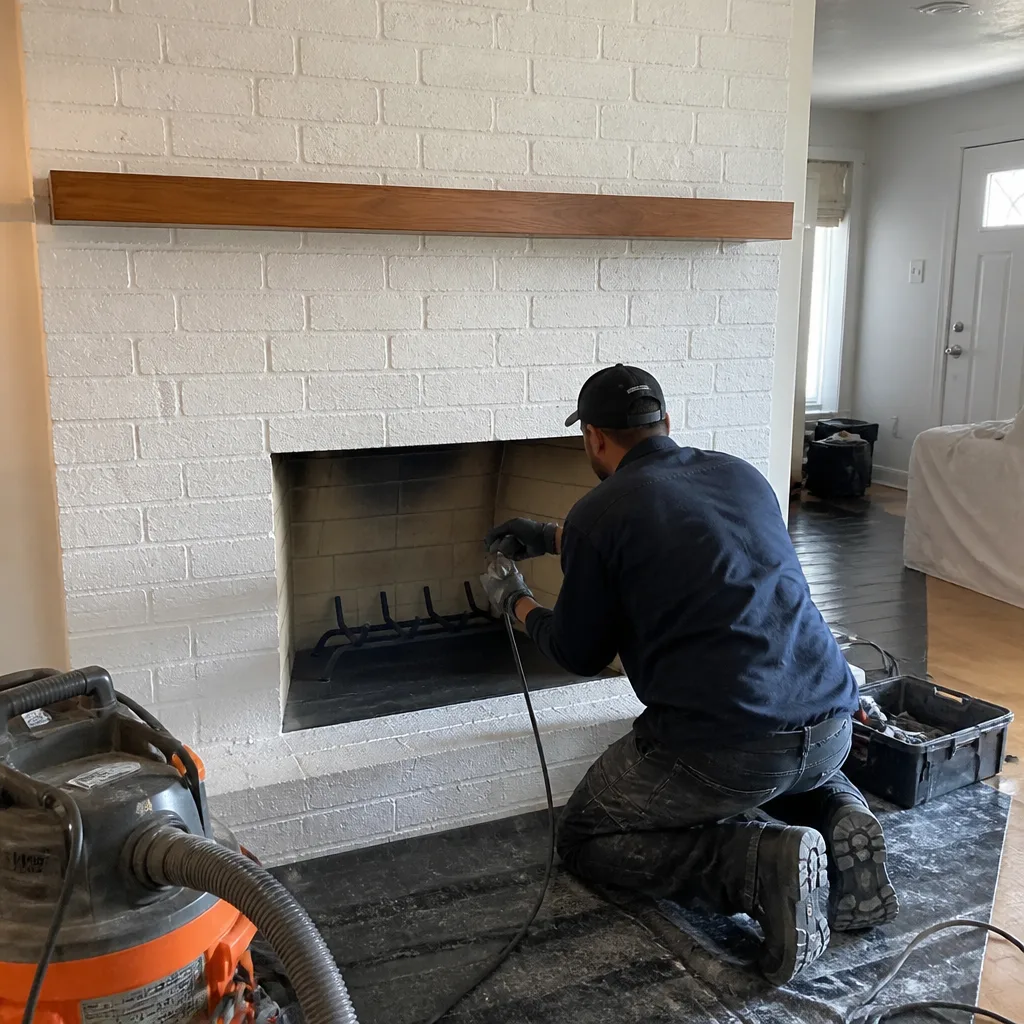 After
After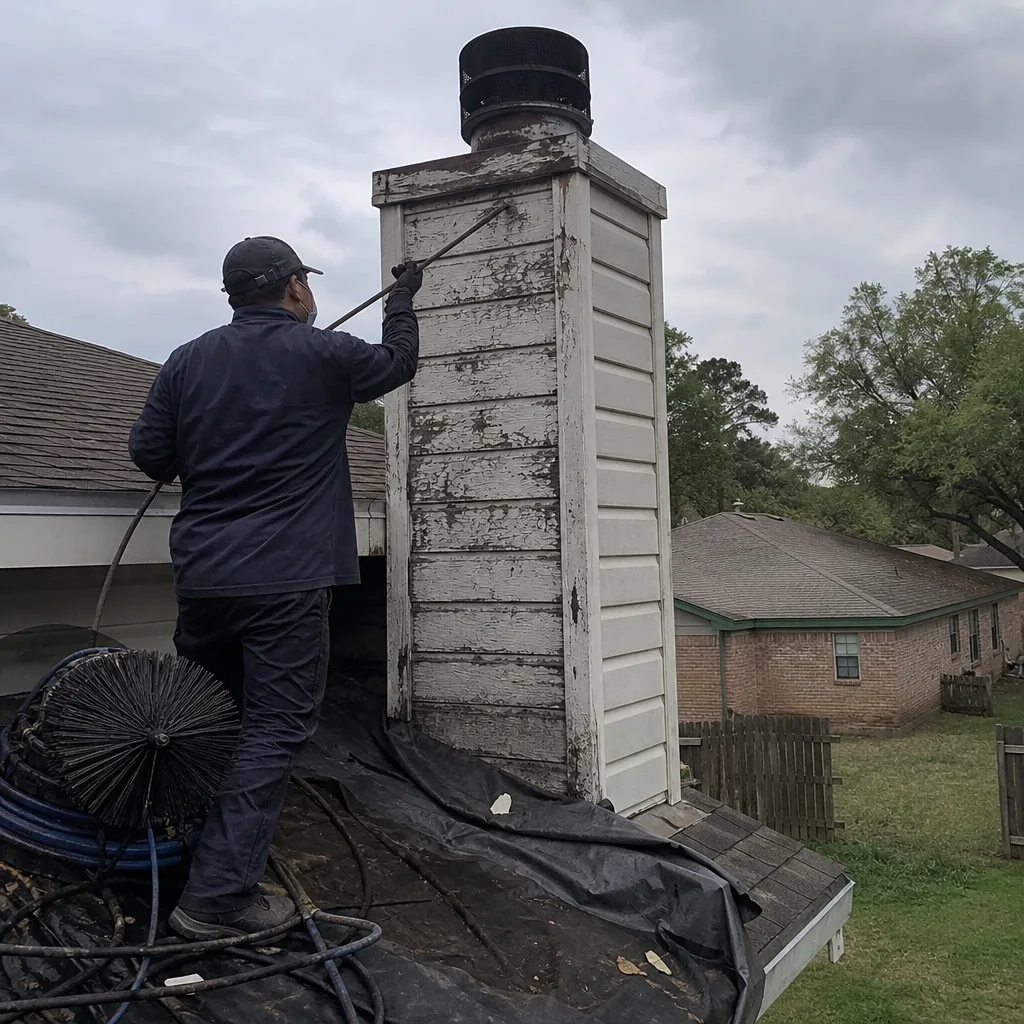 Before
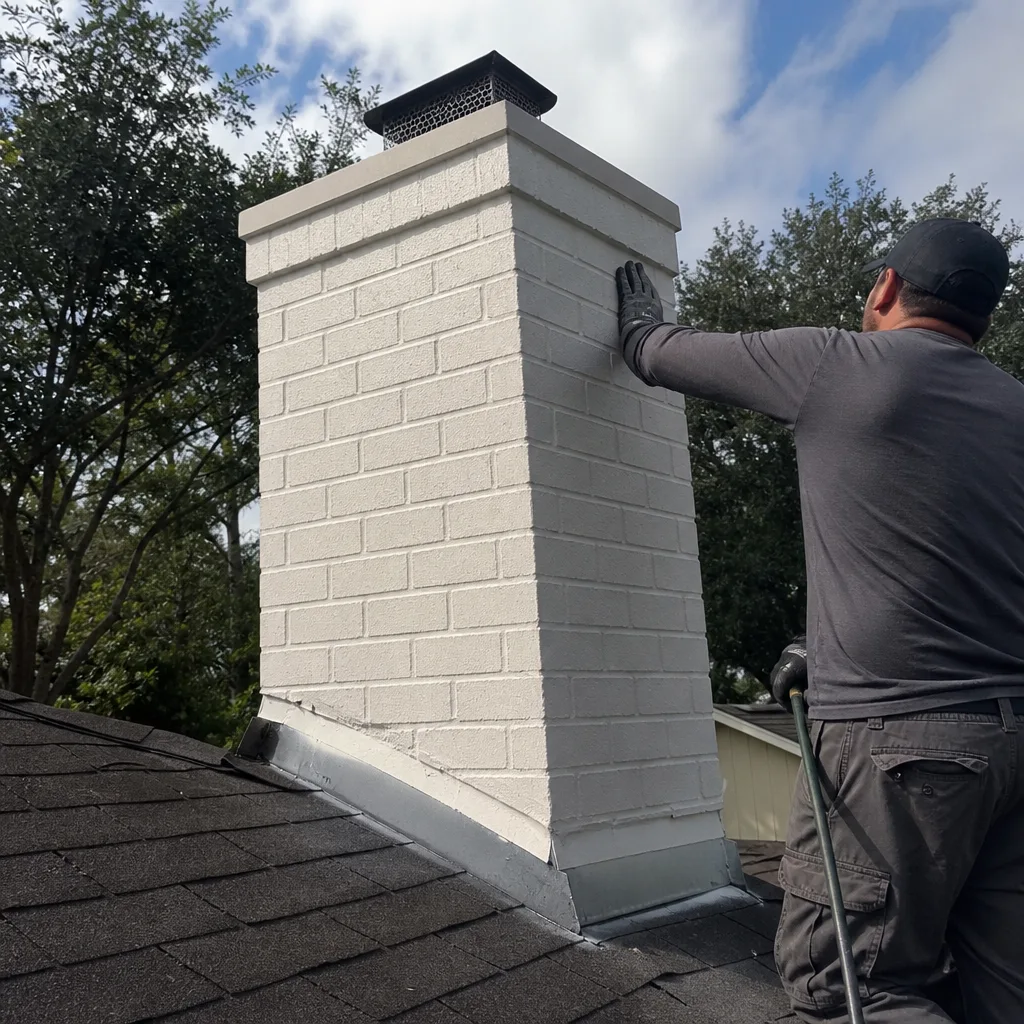 After
After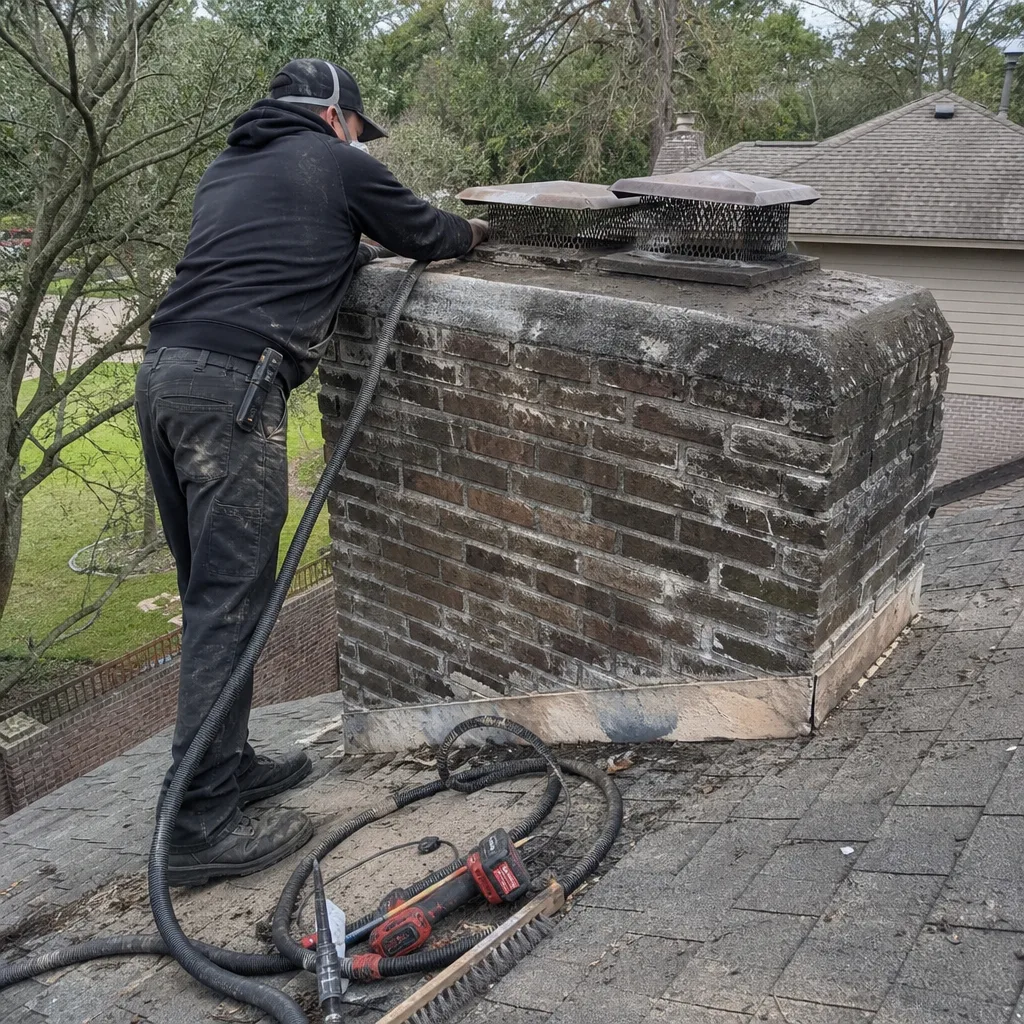 Before
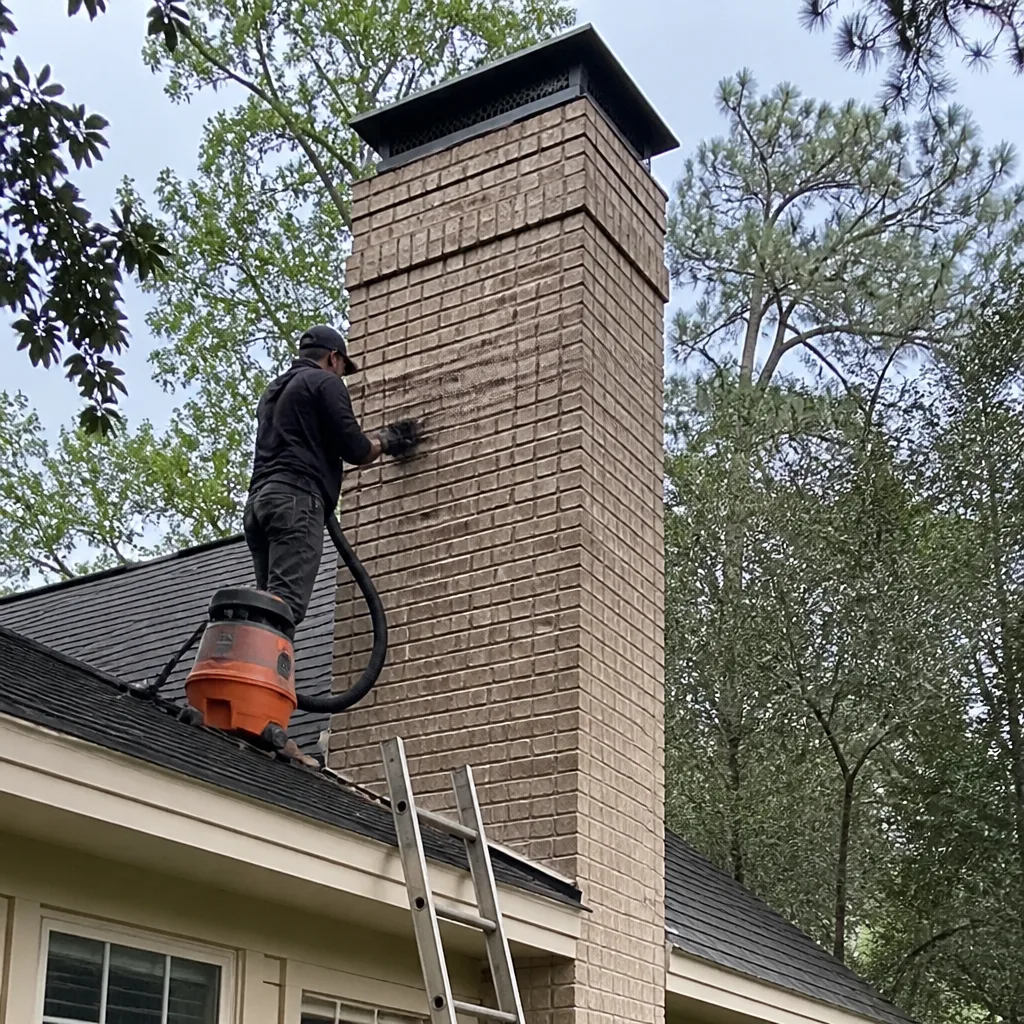 After
AfterReplacement Cost & What’s Included
A HeatShield liner replacement in Houston runs from about $2,800 on the low end for a short, single-story flue with minor surface spalling, up to $5,400 for a two-story chimney with deep structural cracks and a long flue run. What drives the number higher in Houston specifically: flue height and roof pitch on older homes in Garden Oaks and Timbergrove, and the fact that so many of those homes have had prior patch jobs that need to be ground out before the new coating goes in.
What the price includes: a full flue inspection with camera documentation, surface prep (grinding out failed HeatShield material), application of the replacement ceramic coating, a written report of what was done and what we saw, and our 365-Day Done Right Promise. If the repair fails within a year, we come back at no charge. You get the price in writing before we start; the number on the invoice is the number you approved. No one finds out they owe more because the flue was “worse than we thought” after we already had a camera in there.
DIY or Call Us?
There is no safe DIY path for replacing a HeatShield flue liner. This is a ceramic refractory application inside a narrow vertical shaft, and it requires scaffolding or roof access, specialized troweling tools, and the training to know when a spalled area is cosmetic versus structural. Working at height on a Houston roof during a humid afternoon, above a flue that may still have creosote residues, is not a weekend job. We’ve been called out to fix attempts where a homeowner tried to patch the flue with furnace cement and a broom handle. The chimney looked fine from the living room for a few weeks. It wasn’t.
What you can safely do: check the firebox for flaking material, note any water stains after a hard rain, and keep a record of when you see those symptoms appear. That’s useful information. It helps us know where to point the camera. If you’re seeing flakes or you’ve had a previous HeatShield application that’s now showing its age, call us at (325) 750-6259 and we’ll schedule an inspection. Hank Delano says it on most of his Houston job sites: “Tell me what you’re seeing, I’ll tell you what it costs to fix it.”
FAQs
A properly applied HeatShield liner should last 15 to 20 years in Houston’s climate, provided the chimney structure underneath is stable. Houston’s clay soil and storm-driven moisture shorten that lifespan compared to drier regions. If the underlying masonry is still moving, a new liner will fail early no matter the brand. That’s why our camera inspection happens before any coating goes on.
Yes, if the damage is limited to a small area and the surrounding coating is still well-bonded, we can grind out the failed section and reapply HeatShield material locally. The decision comes down to what the camera shows. If more than a third of the flue surface is spalled, patching is throwing money at a flue that will keep failing. We’ll tell you which one you have before we quote.
Most Houston replacements take four to six hours on site, including setup, grinding, application, and cleanup. Curing time matters more: the replacement coating reaches full hardness in 24 to 48 hours, so you should not burn a fire the day of the job. We’ll leave you with a written note on when it’s safe to light the first fire.
Yes. We carry HeatShield compound, DuraFlex liner sections, and Gelco coating materials on our service vehicles for Houston-area jobs. That means most replacements don’t require a second trip or a wait for a distributor order. Call (325) 750-6259 to confirm availability for your appointment.
Written by Hank Delano, Owner, Flint Chimney Co Houston at Flint Chimney Co Houston, serving Houston and nearby areas.